World
IEA cuts Russian oil outlook after repeated Ukrainian drone strikes
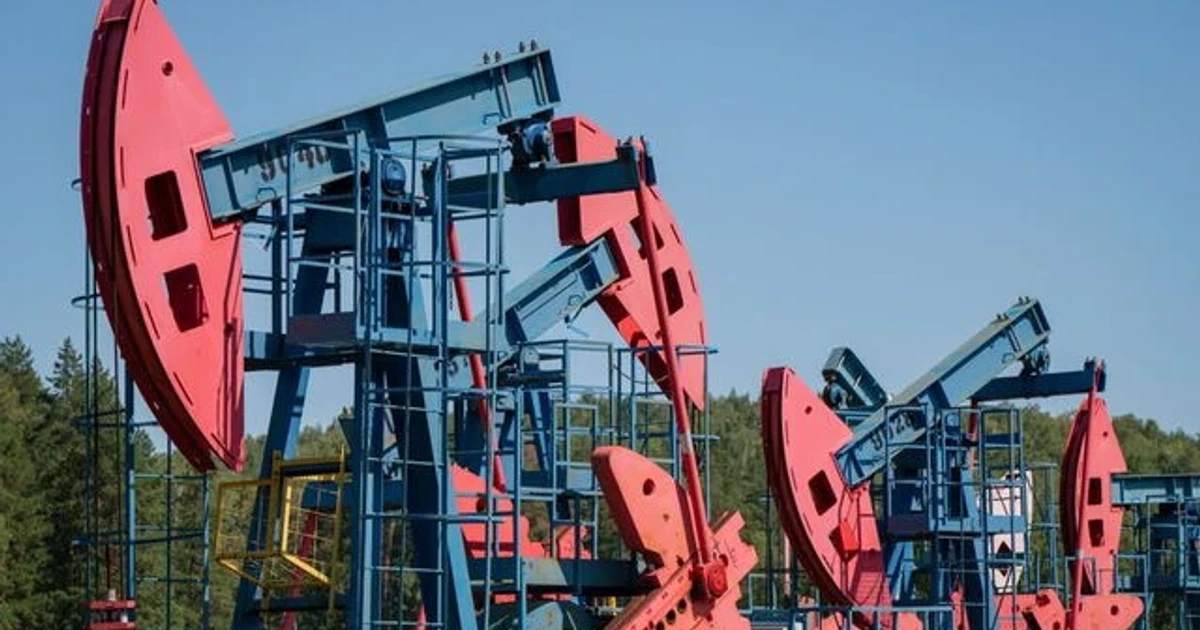
Repeated Ukrainian drone strikes on refineries, storage sites and transport links forced the International Energy Agency to cut its Russian oil outlook, saying output would fall about 3 percent to 8.9 million barrels a day this year. The agency trimmed its forecast for Russian supply by 85,000 barrels a day this year and 150,000 barrels a day next year, a sign that physical damage inside Russia is now feeding directly into global oil expectations.
Russia is still pumping large volumes, but the pressure is showing. June crude output rose slightly from May to 8.86 million barrels a day, yet that left production about 900,000 barrels a day below the OPEC+ quota. The IEA now expects Russian output to average 8.8 million barrels a day over its forecast period, below 2025 levels, even after months in which the Kremlin has tried to keep export revenues flowing to support the war economy.
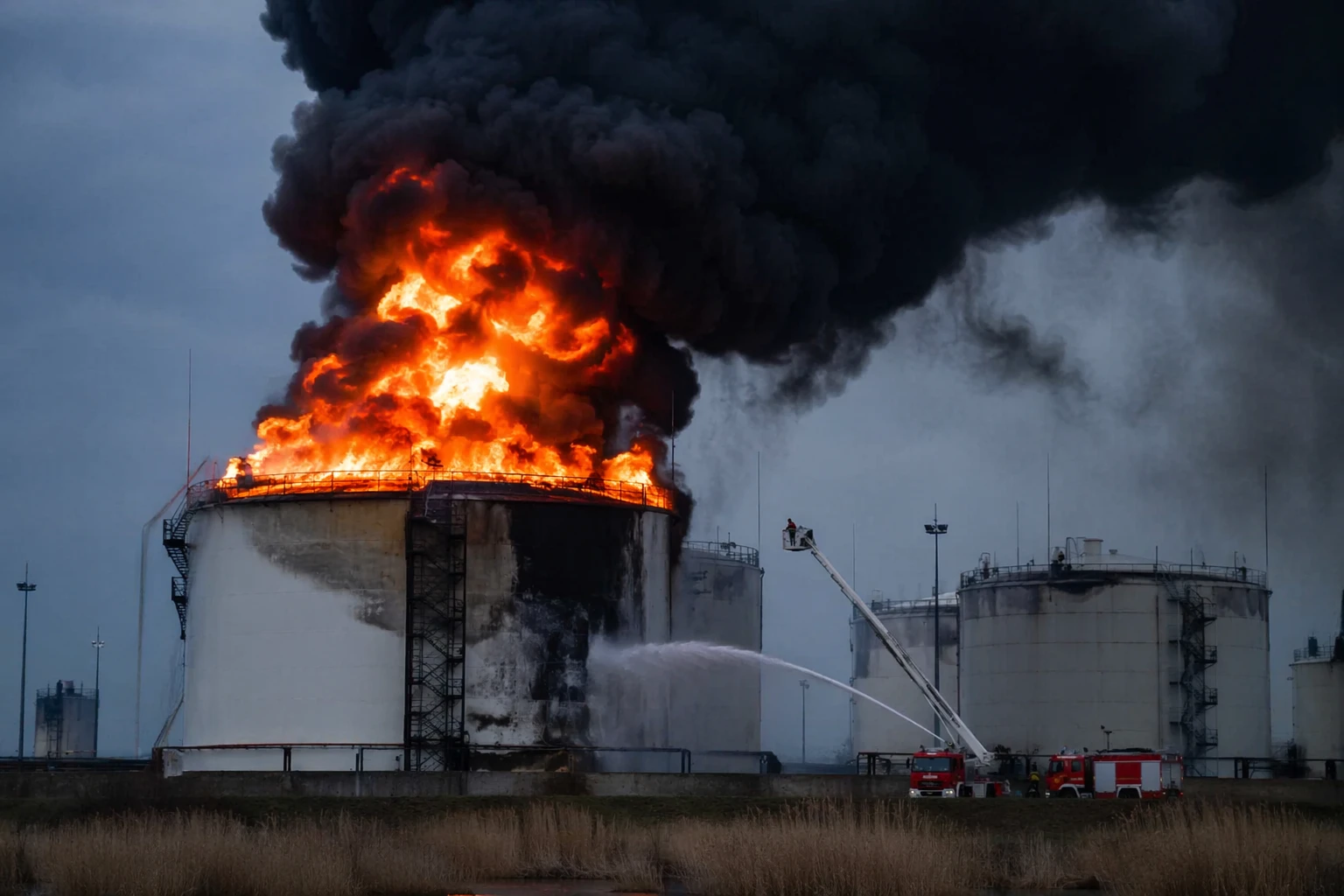
The domestic strain has already reached fuel policy. Russia introduced a diesel export ban and restricted overseas sales of gasoline and jet fuel in an effort to steady local supply after systematic drone attacks on oil infrastructure triggered shortages and price spikes. Those shortages can move beyond the fuel depot, hitting trucking, farming and industrial logistics when diesel is harder to find and more expensive.
Ukraine’s campaign has also reached deep into Siberia. Drones hit the Omsk refinery, described as Russia’s largest, underscoring how far the attacks have penetrated the country’s energy system. Some regions have seen long lines at fuel stations, and oil product exports fell by 230,000 barrels a day in June to 1.91 million barrels a day, even as total crude exports remained at 5.8 million barrels a day.
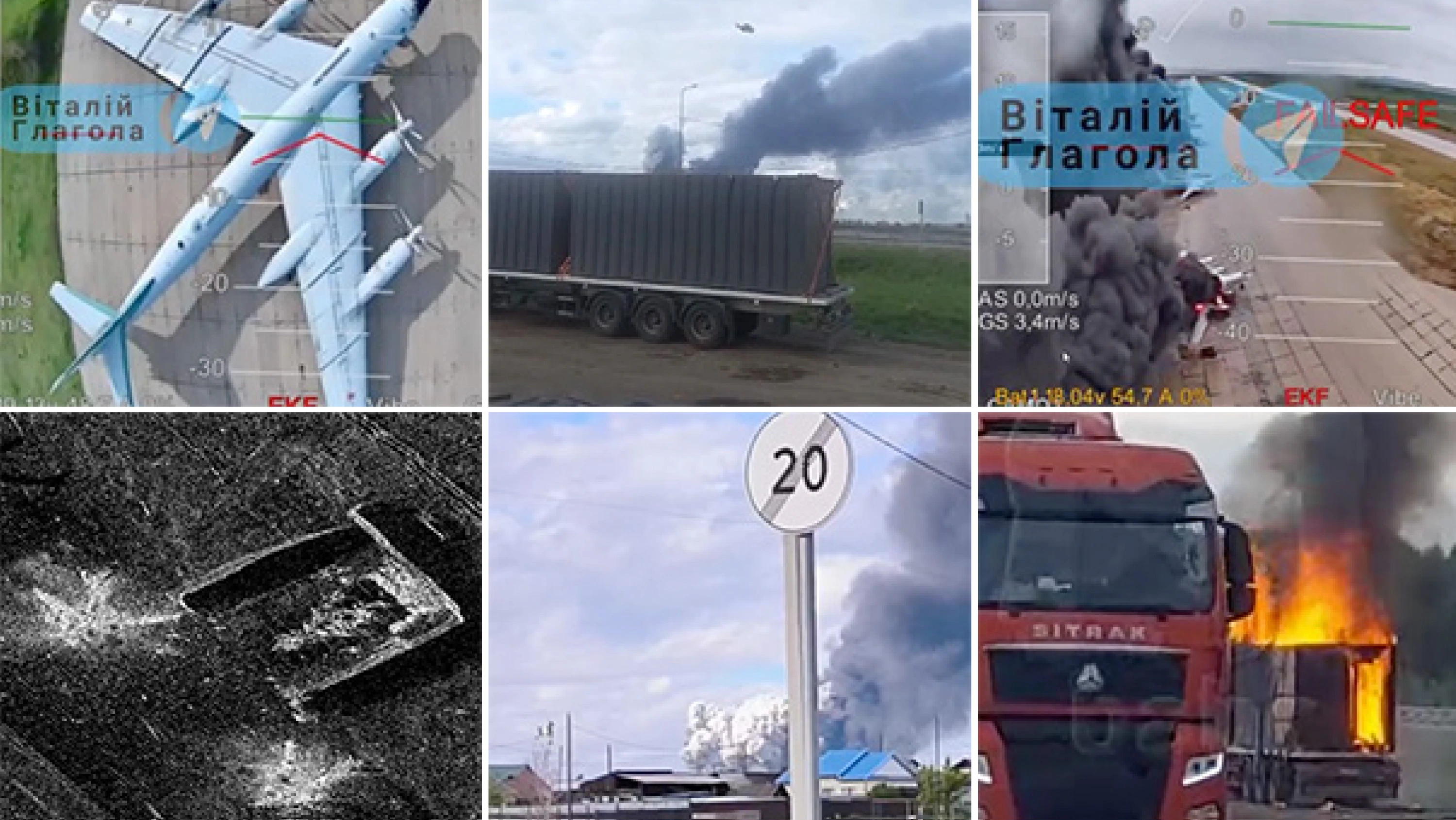
The export revenue picture is worsening too. The Centre for Research on Energy and Clean Air said Russia’s fossil-fuel export revenues fell in June 2026 even as volumes rose, with income slipping 1 percent month on month to 734 million euros a day. That combination of lower product flows, weaker revenue per barrel and repeated strikes suggests the battlefield is now acting as a lever on supply, sanctions pressure and market volatility heading into the next demand cycle.
Sources
- [1]usnews.com
- [2]iea.org
- [3]cnbctv18.com
- [4]themoscowtimes.com
- [5]energyandcleanair.org