Business
IEA Plans Unprecedented Oil Stockpile Release Amid Price Surge
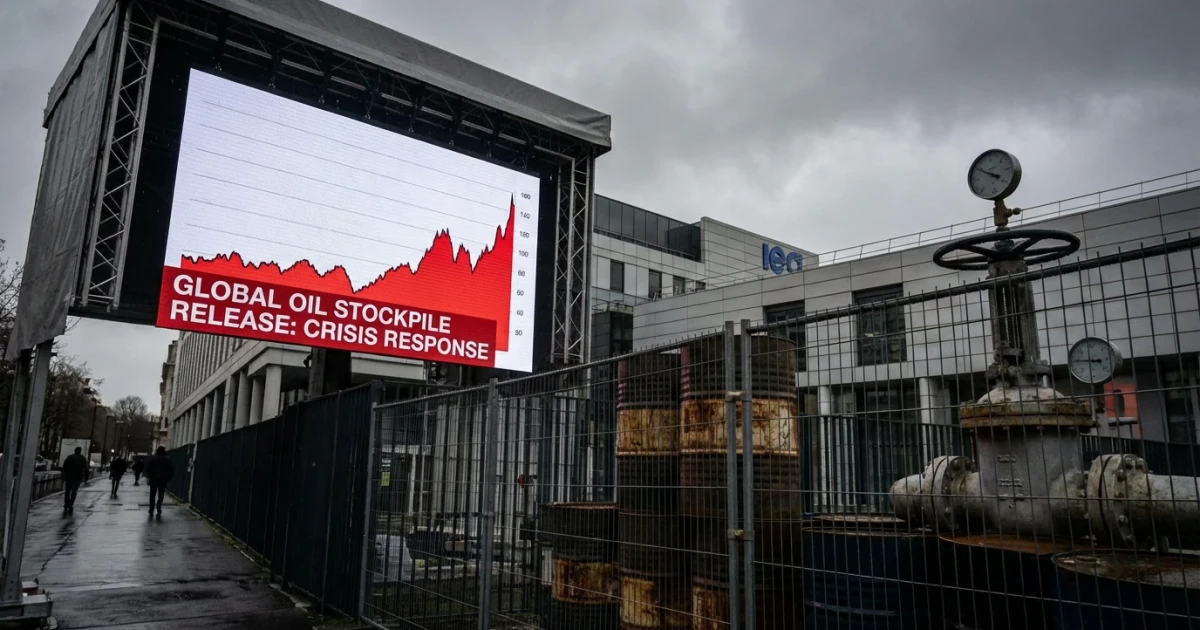
Global oil markets are bracing for major intervention as the International Energy Agency (IEA) prepares its largest ever emergency oil stockpile release, aiming to calm surging prices fueled by ongoing supply disruptions.
IEA Moves Toward Record Oil Release
The IEA, which coordinates energy policy among major consuming nations, is reportedly set to propose a release of emergency oil reserves on a scale not seen before. As first reported by Bloomberg, citing a Wall Street Journal report, the plan would eclipse previous releases and comes as the world faces significant supply constraints amid geopolitical tensions and market volatility.
Oil prices have spiked sharply in recent weeks, putting pressure on governments to act as inflation concerns mount and energy security becomes a top policy priority. The IEA's emergency release mechanism is designed to provide a buffer during major supply disruptions, leveraging strategic oil reserves held by its member countries.
Why Emergency Releases May Have Limited Impact
While the proposed release is unprecedented in volume, analysts and commentators note that emergency oil stockpile releases are not a cure-all for the current market crisis. As highlighted in recent coverage by CNN, such releases typically offer only short-term relief, addressing immediate shortages but not resolving underlying structural supply challenges.
- The IEA’s emergency response system relies on coordinated contributions from member nations, who hold strategic reserves sufficient for at least 90 days of net oil imports.
- Past releases, such as those during the 2011 Libya crisis and the 2005 Hurricane Katrina aftermath, temporarily eased price pressures but did not fundamentally shift global supply-demand balances.
- According to the IEA's Oil Market Report, the effectiveness of such interventions depends on the scale and duration of the disruption as well as market sentiment.
Market Reaction and Broader Implications
News of the proposed release has already impacted financial markets. Bloomberg notes that Asian stocks were poised for gains in anticipation that increased oil supply could help moderate inflation and support economic stability. At the same time, oil prices have swung higher, reflecting ongoing uncertainty about the adequacy of the proposed measures and the durability of supply challenges.
Analysts warn that while the IEA's intervention may bring some relief, it cannot address longer-term supply constraints or replace the need for increased production and investment. The EIA’s international petroleum data shows that global oil demand continues to outpace additions to supply, amplifying the pressure on strategic stockpiles.
Key facts about the IEA’s emergency stockpile system:
- IEA member countries are required to hold strategic reserves equal to at least 90 days of net oil imports (official data).
- Emergency releases have occurred only a handful of times since the agency’s founding in 1974, each triggered by significant global disruptions.
- The IEA Energy Security Report emphasizes the importance of strategic reserves as part of broader energy security and crisis management strategies.
Looking Ahead
The IEA’s plan signals the urgency of the current energy situation and the agency’s readiness to use all available tools. However, as experts note, additional policy measures and international cooperation will be necessary to address the root causes of market instability and ensure sustained energy security.
With governments, industry, and markets watching closely, the coming weeks will reveal whether this unprecedented oil release can help restore balance—or whether deeper structural changes are needed to address ongoing supply disruptions and price volatility.