World
IEA Releases 400 Million Barrels in Unprecedented Oil Move
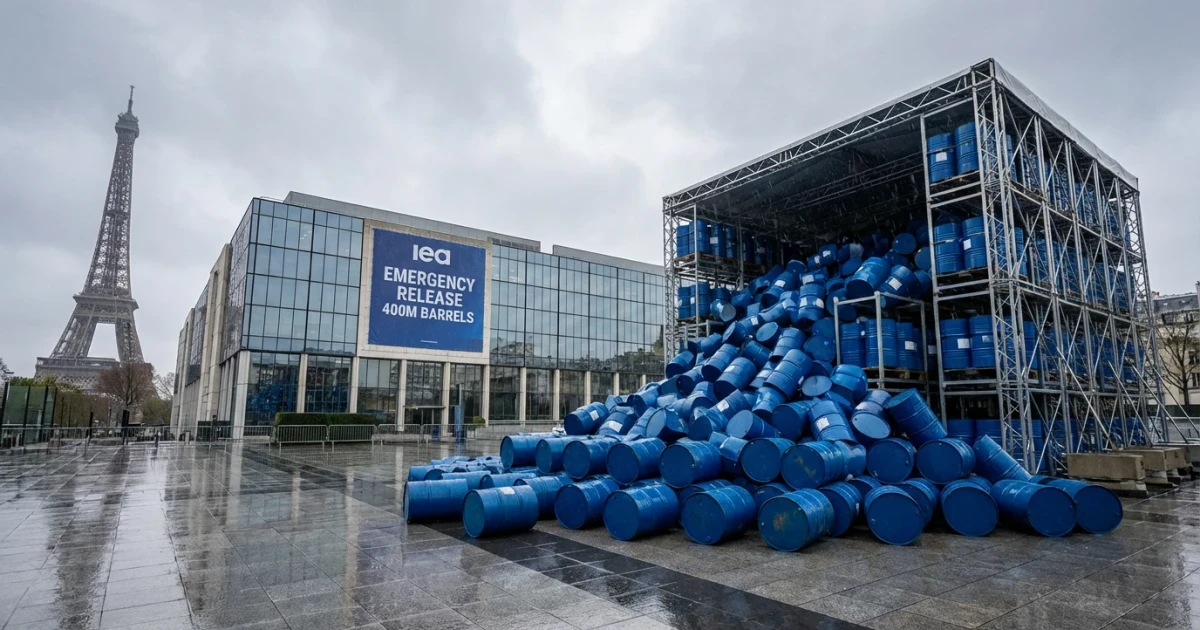
The International Energy Agency (IEA) has announced the release of 400 million barrels of oil from emergency reserves, marking the largest coordinated stock release in the agency’s history. The decision comes as countries seek to counteract volatility and shortages in global oil markets, underscoring the critical role of strategic reserves during periods of crisis.
Details of the Emergency Release
The IEA’s move involves a collective effort by its member countries, each contributing a portion of their strategic petroleum reserves. This coordinated action aims to supply the market with additional barrels over the coming months to help offset ongoing disruptions and rising prices. The release far exceeds previous coordinated actions, both in scale and urgency, reflecting the unprecedented stresses facing the energy sector.
- 400 million barrels will be made available globally, the largest drawdown since the IEA was founded in 1974.
- The release is designed to complement ongoing national measures and reinforce market stability.
- IEA members are required to hold at least 90 days’ worth of oil imports as reserves, providing a buffer for situations like this.
Context: Why Is the IEA Acting Now?
The decision to tap emergency reserves follows persistent supply disruptions and heightened uncertainty in global oil markets. Recent events have led to disruptions in major supply chains, putting upward pressure on energy costs for both consumers and industry. The IEA’s release is intended as both a practical measure to increase supply and a signal of solidarity among major economies to address energy security challenges.
According to the IEA’s analysis of energy security risks, coordinated releases have historically helped to calm markets and prevent panic buying or hoarding. By acting collectively, IEA members aim to reassure market participants and mitigate the risk of further price spikes.
The Mechanics of Emergency Reserve Releases
Emergency oil stocks are held in various forms, including government-controlled strategic petroleum reserves and industry-held stocks. When a coordinated release is announced, each member country draws down a portion relative to their share of total reserves. The U.S. Strategic Petroleum Reserve, for example, is the world’s largest and will play a central role in this release, with other countries contributing from their own stockpiles.
The IEA’s oil information database provides detailed breakdowns of reserve levels, drawdown capacities, and historical trends for each member nation. These releases are carefully managed to minimize market disruption while ensuring that reserves remain sufficient to address future crises.
Potential Impact on Global Markets
While the immediate influx of 400 million barrels is expected to ease some supply pressures, analysts caution that the overall impact on prices will depend on a range of factors, including the duration of current disruptions and the pace of global demand recovery. Past releases have had mixed effects, with some stabilizing prices and others offering only temporary relief.
IEA officials emphasize that emergency reserves are a short-term solution and not a substitute for long-term investment in supply security and energy diversification. According to their recent research, robust emergency response measures can buy time for markets to adjust, but sustainable supply solutions remain essential for long-term stability.
Looking Ahead
The IEA’s record-setting release of oil reserves signals the seriousness of current market challenges and the determination of member countries to act collectively. As markets respond and governments assess further steps, the role of strategic reserves—and the mechanisms for their use—will remain central to global energy security.