Business
IEA Warns Iran War Impact on Oil Markets Surpasses Past Crises
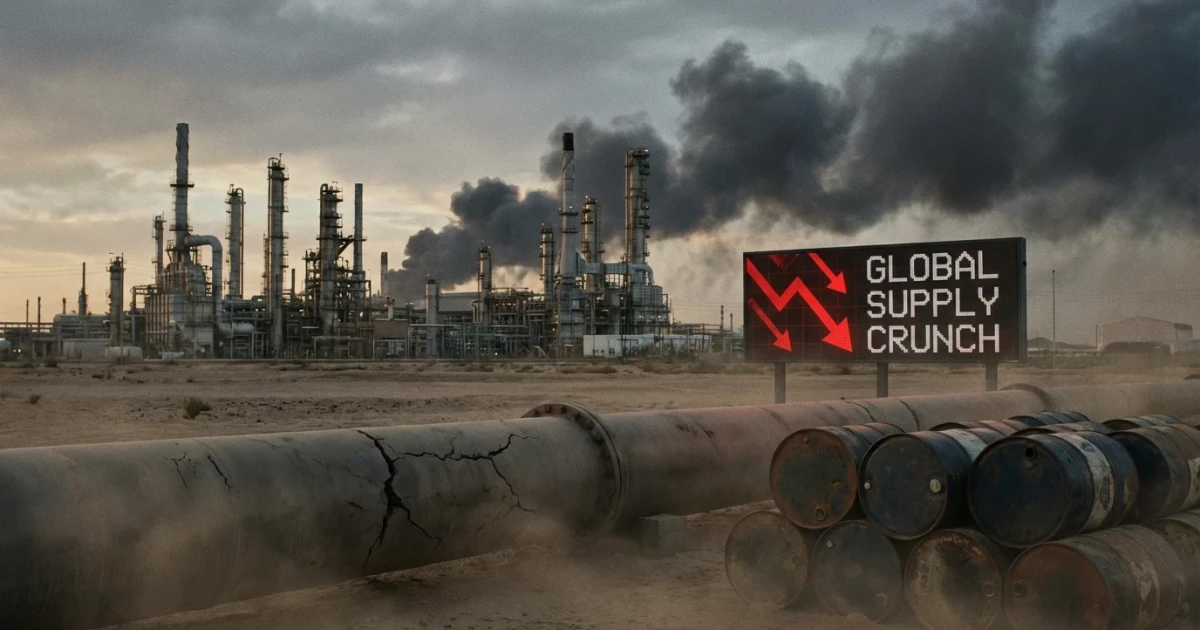
The International Energy Agency (IEA) has warned that the ongoing conflict involving Iran has created an oil supply crunch more severe than the historic disruptions of the 1970s and the Ukraine war, with over 40 Middle East energy assets now severely damaged. As the region remains a cornerstone of global oil production, the IEA's assessment underscores deepening concerns for energy security and economic stability worldwide.
IEA Chief Cites Unprecedented Oil Market Turmoil
In statements reported by The Guardian, the IEA’s executive director emphasized that the current crisis in the Middle East is causing supply disruptions that outpace the oil shocks of previous decades. According to the IEA, the damage to more than 40 energy assets—including key oil fields, export terminals, and critical infrastructure—has sharply curtailed output across the region. This has fueled immediate spikes in global oil prices and raised alarm among policymakers and industry leaders.
- The IEA described the current energy crunch as "worse than the 1970s oil crises and Ukraine war combined".
- The Middle East, and Iran in particular, account for a significant share of global oil production.
- Damage to over 40 energy assets has disrupted supply chains and export routes across several countries.
Comparing Past and Present Oil Shocks
The world has experienced severe oil supply disruptions before, most notably during the 1970s oil crises, which saw prices quadruple and triggered recessions in many economies. More recently, the Ukraine war caused significant volatility in energy markets, particularly in Europe, as Russian exports were curtailed and global supply chains were strained. The IEA now argues that the cumulative impact of the Iran conflict—including the scale of infrastructure damage and the breadth of affected countries—has surpassed both prior incidents in terms of its threat to global supply stability.
Key Factors Worsening the Current Crisis
- Scale of Damage: Over 40 Middle East energy assets have been severely affected, far exceeding the infrastructure losses in recent crises.
- Geopolitical Uncertainty: The ongoing nature of the conflict makes recovery and market normalization uncertain.
- Dependence on Middle East Supply: The region supplies a substantial portion of world oil, and disruptions have a disproportionate effect on prices and inventories, as detailed in the IEA Oil Market Report.
Global Economic and Energy Security Implications
The latest crisis has already resulted in sharp oil price increases and renewed focus on energy diversification strategies among major importers. According to the IEA’s historical data, previous disruptions spurred investments in alternative energy, strategic petroleum reserves, and energy efficiency measures. However, the scale of the current supply gap, combined with ongoing geopolitical risks, presents new challenges for both consumers and governments worldwide.
- Oil prices have surged in response to immediate supply shortages and fears of further escalation.
- Major economies are reviewing strategic reserves and emergency plans to mitigate the impact of prolonged disruptions.
- International organizations are calling for diplomatic efforts to stabilize the region and restore damaged infrastructure.
Historical Context and Forward Outlook
Analysis from the IEA and other agencies highlights that while previous oil crises eventually led to market adaptation and recovery, the current situation remains fluid. The extent of physical damage, ongoing hostilities, and uncertainty about the region’s political future complicate forecasts. The IEA continues to monitor developments and urge coordinated international action to address the risks.
As the conflict and its repercussions continue to unfold, governments and industry leaders face urgent decisions on energy security, market intervention, and long-term diversification. For now, the IEA’s warning signals a period of volatility reminiscent of the oil shocks of the past—but with potentially even broader consequences for the global economy.