World
IEA Warns of Deepening Energy Crisis Amid Iran Tensions
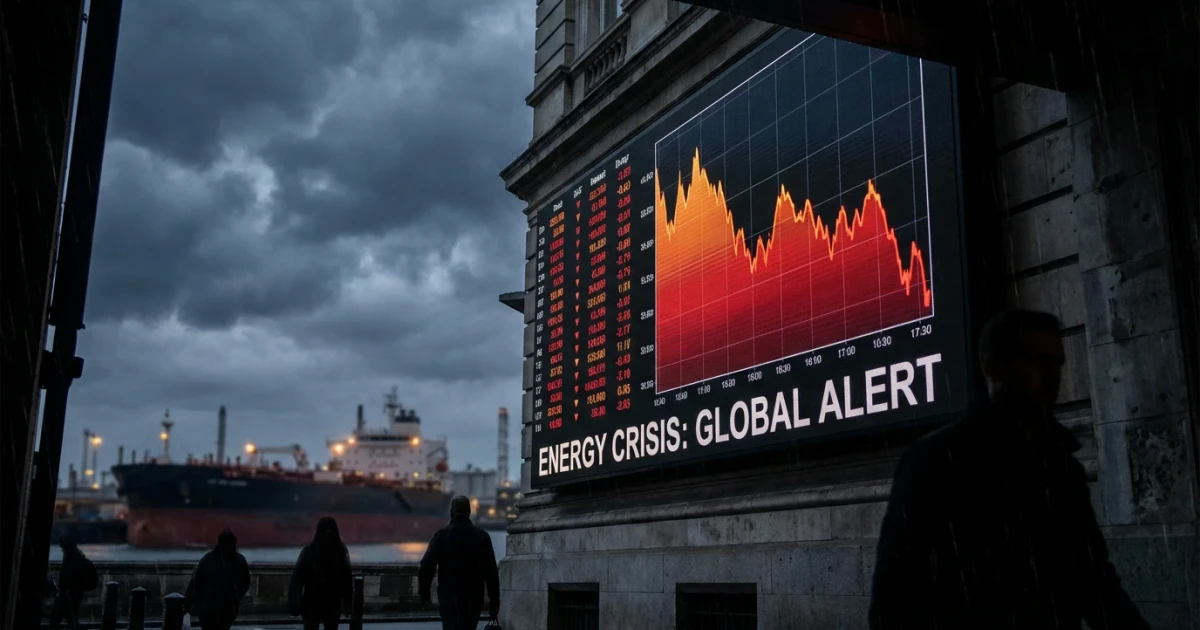
Global energy markets face mounting uncertainty as the International Energy Agency (IEA) warns the current energy crisis could eclipse the oil shocks of the 1970s, with geopolitical tensions in the Middle East—particularly Iran's recent threats—adding to the volatility. The situation comes as the United States, under former President Donald Trump’s administration, imposes a looming deadline for potential new sanctions, heightening the stakes for both energy security and global economic stability.
IEA: Crisis ‘Worse Than 1970s Oil Shocks’
The head of the IEA, as reported by both CNN and Al Jazeera, has stated that the global energy crisis is now considered "worse than the oil shocks of the 1970s combined". The IEA’s assessment points to a combination of persistent supply disruptions, surging demand, and geopolitical strife that have led to record-high oil prices and widespread fears of fuel shortages in both developed and developing economies.
- IEA data shows global oil prices have climbed steadily, with some benchmarks surpassing levels not seen since the 2008 financial crisis.
- OPEC’s monthly report highlights tightening inventories and increasing pressure on spare production capacity.
- Historical comparisons with the 1970s oil supply disruptions underscore the scale of the current challenge, with today’s crisis involving more complex global interdependencies.
Iran’s Defiant Stance Fuels Market Anxiety
CNN reports that Iran has adopted a defiant posture in response to escalating Western pressure, including the threat of new U.S. sanctions. Tehran has warned that any attack on its coast or islands could prompt the mining of strategic waterways in the Gulf, a move that would severely disrupt global oil shipping lanes and amplify the supply crunch. Such threats evoke memories of past disruptions in the region but come at a time when alternative supplies are limited.
The Gulf region remains a critical artery for world energy flows, with a significant portion of global oil exports passing through the Strait of Hormuz. Any attempt by Iran to impede traffic would likely send prices even higher and strain already stretched supply chains.
Global Ramifications and Policy Responses
Governments and international organizations are scrambling to respond. The IEA has urged member countries to consider releasing strategic reserves and coordinate policy measures to blunt the impact of supply disruptions. According to the agency’s World Energy Outlook, energy security remains a top priority, with calls for accelerated investments in renewables, diversification of supply sources, and enhanced energy security planning.
- Some nations are turning to alternative suppliers, but OPEC’s limited spare capacity and tight U.S. inventories, as seen in recent data, restrict relief options.
- High energy prices are already impacting inflation, manufacturing, and transportation sectors worldwide.
- Developing economies are particularly vulnerable, facing both fiscal strain and social unrest due to rising fuel costs.
Historic Context: Comparing With the 1970s
Experts stress that while the 1970s oil shocks disrupted markets and led to long-term changes in energy policy, today’s crisis is compounded by more interconnected global economies, the rise of emerging markets, and greater dependence on complex supply chains. The IEA’s monthly reports and data from the U.S. Energy Information Administration offer insights into how today’s supply-demand imbalances differ from those of past decades.
Looking Ahead
As the deadline for new U.S. actions against Iran approaches, market watchers anticipate further volatility. The IEA and other energy analysts continue to monitor developments, urging international cooperation to prevent the crisis from deepening. The coming weeks will be critical, as policymakers weigh options to stabilize markets and ensure a secure global energy future.