Business
IMF cuts Israel 2026 growth forecast to 3.5% amid tensions
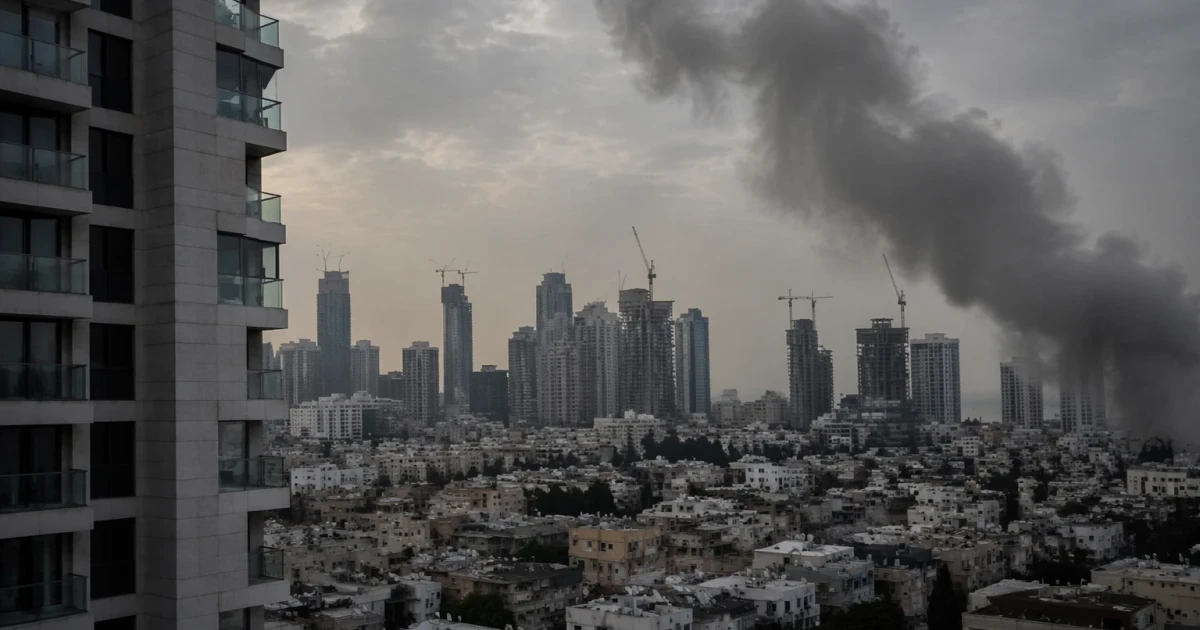
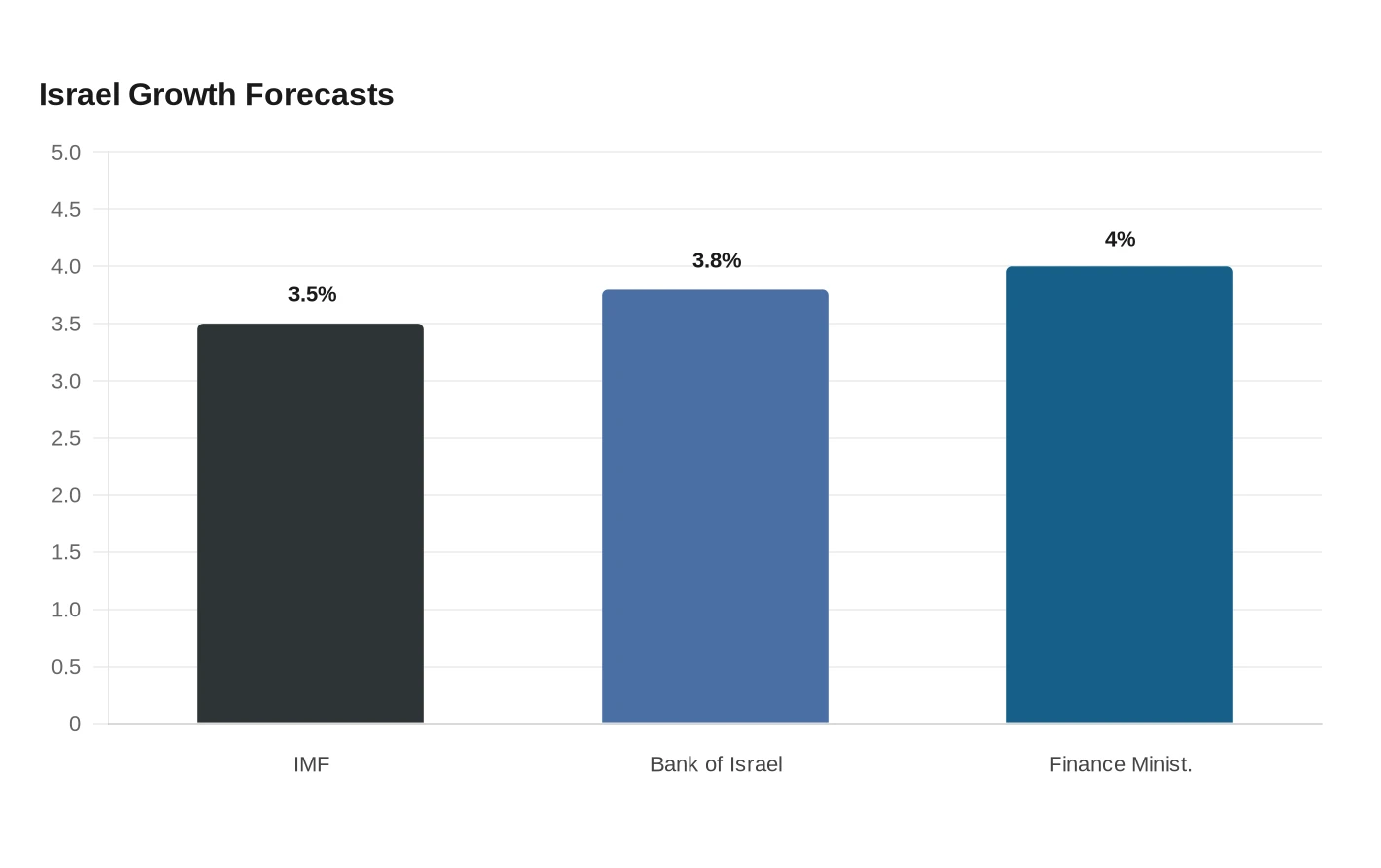
The International Monetary Fund cut Israel’s 2026 growth forecast to 3.5% from 4.8%. Prolonged regional tensions are now the main drag on investment, hiring and confidence. The shekel trades at a more than three-decade high against the dollar, but that strength has not erased the economic cost of higher energy prices, supply constraints and the threat of renewed escalation in Iran, Lebanon and Gaza.
The Article IV consultation, published June 30 and July 1, expects inflation to rise temporarily even as the currency strengthens, a sign that imported fuel and other energy-linked costs remain a near-term risk. Israel’s economy has shown resilience through repeated shocks, but geopolitical uncertainty and long-standing structural weaknesses are still weighing on the outlook. Deeper and more prolonged regional conflict remains the key downside risk.
Israel’s economy shrank at an annualized 3.8% in the first quarter of 2026, after the Central Bureau of Statistics revised its initial estimate of a 3.3% contraction. Per-capita GDP fell at an annualized 5% in the quarter from the previous three months. The Bank of Israel had already reduced its own 2026 growth forecast to 3.8% after the March-April war with Iran, from 5.2% in January, while the finance ministry still sees growth of up to 4% this year.
Defense expenditure is expected to stay elevated because conflicts continue to demand resources, while labor supply is being squeezed by military mobilization and fewer non-Israeli workers. Persistently low labor-force participation in some groups remains a structural weakness. The Bank of Israel’s revised forecast also puts the 2026 budget deficit at 5.3% of GDP.
Policymakers should rebuild fiscal buffers by raising revenue and tightening budgets, and keep monetary policy moderately tight because energy prices could still push inflation higher. The staff report used data available through June 10, 2026.
Sources
- [1]japannews.yomiuri.co.jp
- [2]imf.org
- [3]en.globes.co.il
- [4]boi.org.il