Business
IMF economist says global finance remains firmly dollar-centered
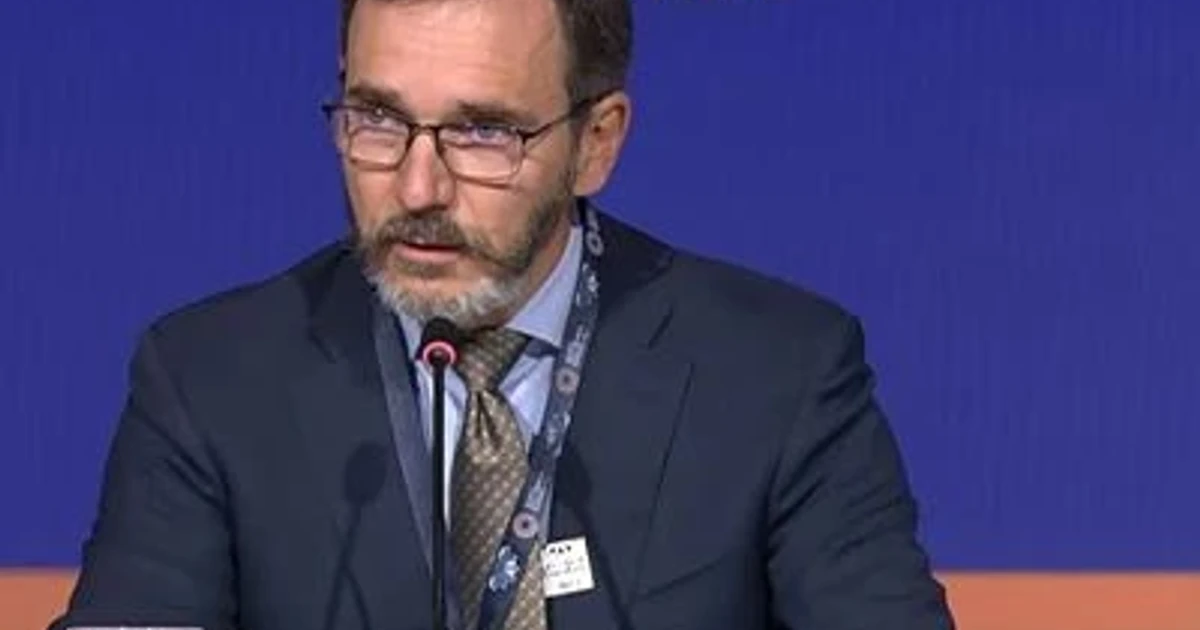
Pierre-Olivier Gourinchas said global finance remains firmly “dollar-centered” as he prepared to leave the International Monetary Fund for the University of California, Berkeley on July 1. The outgoing IMF chief economist’s parting assessment landed at a moment when trade routes, tariff fights and geopolitical alignments are shifting, but the basic machinery of global money still runs through the U.S. currency.
The IMF announced on May 1 that Gourinchas would step down as Economic Counsellor and Director of the Research Department and return to academia in Berkeley, California. That timing gave his remarks added force: rather than sounding like a routine policy line, they read like a final judgment on a debate that has intensified as governments look for ways to route around Washington’s financial power.
The hard data still support his view. The IMF’s COFER dashboard, last updated on March 27, tracks the currency composition of official foreign-exchange reserves across the dollar, euro, renminbi, yen, sterling, Australian and Canadian dollars, Swiss francs and other currencies. The Federal Reserve’s 2025 review said the dollar’s dominant international role has changed little across many measures, while the Federal Reserve Bank of St. Louis says the currency’s standing shapes borrowing costs, export competitiveness, investment decisions and even everyday prices.
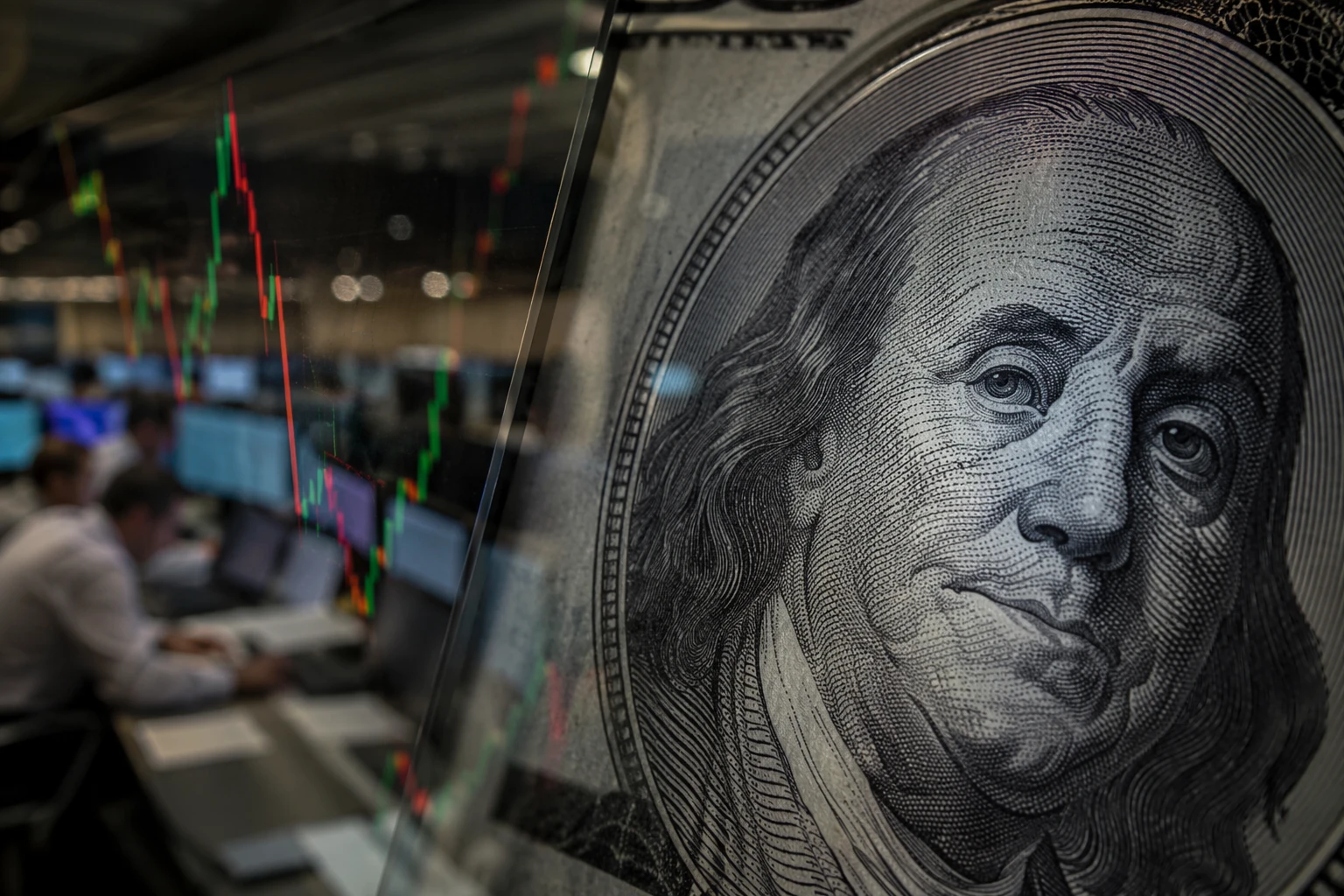
That dominance is also embedded in market plumbing. The Bank for International Settlements’ 2025 annual economic report described the foreign exchange swap market as a linchpin of the global financial system, underscoring how deeply cross-border finance depends on dollar funding and hedging. For governments and companies, that means a weaker or stronger dollar still ripples through commodity pricing, debt service and trade settlement even when some transactions are being redirected away from the United States.
Gourinchas also pointed to gold as evidence of a shift that is real but limited. He said gold’s rise has been driven largely by gold exchange-traded funds, which let investors gain exposure without holding physical bullion, and that central banks were not actively buying gold. Reuters reported on June 24 that bullion-backed ETFs could face renewed outflows if investors keep raising bets on higher interest rates, after spot gold slipped below $4,000 an ounce for the first time since November 2025. A Reuters update on June 26 also said stablecoin issuers were holding gold as an asset, but that does not amount to a functioning alternative currency system. The result is a market that is diversifying at the edges while still pricing risk, credit and liquidity around the dollar.
Sources
- [1]money.usnews.com
- [2]imf.org
- [3]data.imf.org
- [4]federalreserve.gov
- [5]stlouisfed.org
- [6]bis.org