World
IMF Lowers Global Growth Outlook Amid Hormuz Tensions
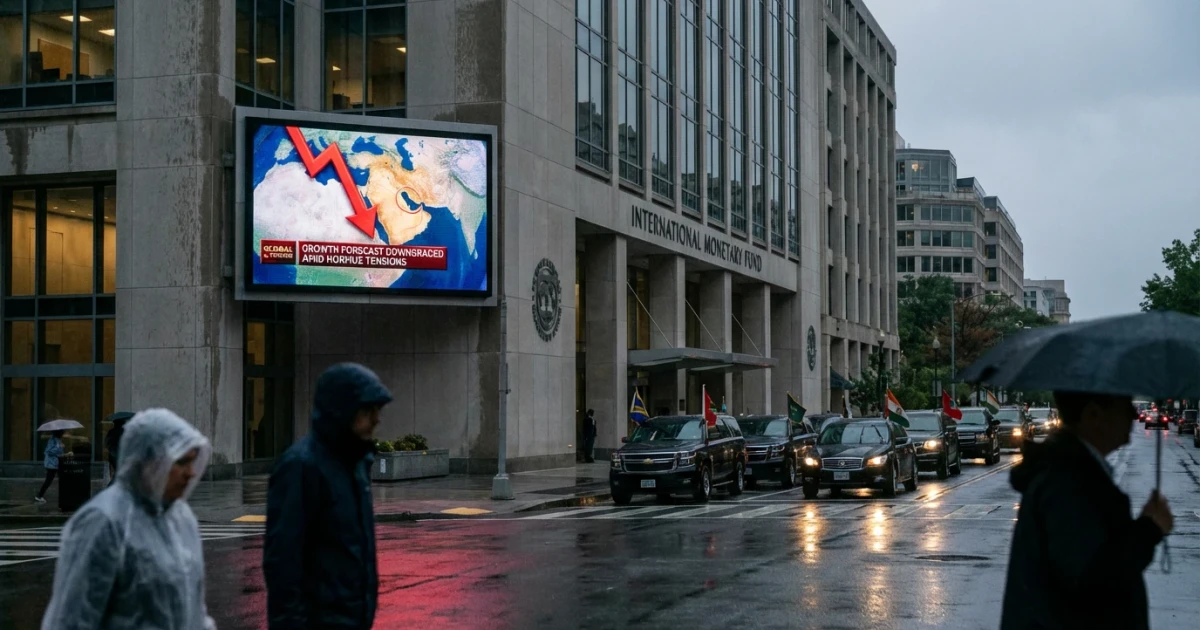
The International Monetary Fund (IMF) has revised its global growth forecast downward, citing escalating economic risks tied to the ongoing blockade of the Strait of Hormuz and the intensifying conflict involving Iran. Both Al Jazeera and U.S. News & World Report confirmed the IMF’s decision, underscoring how geopolitical instability continues to shape economic expectations worldwide.
Strait of Hormuz Blockade Disrupts Global Energy Flows
The Strait of Hormuz is one of the world’s most critical oil transit chokepoints, with approximately one-fifth of global oil supplies typically passing through its narrow waters. The current blockade has led to significant interruptions in energy shipments, sending shockwaves through global markets. According to both outlets, this disruption is a primary factor in the IMF’s decision to lower its growth projections for 2026.
- Oil prices have surged since the blockade began, with volatility heightened by fears of prolonged supply shortages.
- Major economies dependent on energy imports, particularly in Asia and Europe, face heightened inflationary pressures and increased costs for businesses and consumers.
- Shipping insurance premiums through the region have spiked, reflecting the increased risk environment as documented in IMO maritime security records.
IMF Growth Forecast Reflects Heightened Uncertainty
The IMF’s latest World Economic Outlook incorporated the impact of the Strait of Hormuz blockade and the evolving Iran war. While neither source provided exact figures, both highlighted that the revision represents a meaningful shift from previous forecasts. The IMF cited “significant downside risks” tied to supply chain disruptions, higher energy costs, and potential spillover effects into broader global markets.
- Advanced economies are expected to experience slower growth due to tighter financial conditions and elevated input costs.
- Emerging markets could face sharper volatility, especially those reliant on energy imports or exposed to regional security concerns.
- The IMF’s move signals growing concern over how geopolitical flashpoints can rapidly alter economic trajectories.
Broader Economic Impacts and Policy Responses
The blockade’s effects are already rippling through various sectors. According to analysis in both reports:
- Trade flows in the region have slowed, as reflected in UNCTAD merchandise trade data, raising concerns about supply chain resilience.
- Central banks are weighing potential responses, balancing the need to curb inflation with concerns over stifling already sluggish growth.
- Policymakers worldwide are monitoring the situation closely, with several governments signaling readiness to deploy strategic reserves or coordinate diplomatic efforts to stabilize the region.
Analysis: How Geopolitics Shapes Economic Prospects
The IMF’s downward revision highlights how swiftly geopolitical tensions can reshape the global economic landscape. The ongoing disruption in the Strait of Hormuz exposes vulnerabilities in energy supply chains and underscores the interconnectedness of security and economic stability.
As the situation develops, the IMF and other institutions are likely to update their outlooks further, reflecting both immediate shocks and longer-term adjustments by markets and policymakers. For now, the world economy faces a period of heightened uncertainty, with risks concentrated around one of its most strategic maritime chokepoints.