US News
Immigration crackdown deepens care fears for Haitian workers and seniors

After the U.S. Supreme Court cleared the way on July 23 for the Trump administration to end Temporary Protected Status for Haitian and Syrian nationals, USCIS posted an update the next day on the termination of Haiti’s designation. In Connecticut, Rep. John Larson’s office said up to 100 Haitian caregivers working in skilled nursing facilities could lose their jobs as early as July 28.
The fallout reaches far beyond immigration law. Haitian workers have become important in nursing homes, assisted-living facilities and home care in some regions, filling shifts in a labor market that already struggles with low pay, high turnover and too few direct-care workers. For older Americans, that workforce helps with bathing, meals, medication reminders, mobility and companionship, tasks that keep frail seniors stable from one day to the next.
The concern is not abstract in Florida, where the Home Care Association of Florida said as many as 35,000 health care workers could be affected if Haitian TPS holders lose work authorization. That kind of loss would hit home-care agencies, nursing homes and disability services at the same time, just as the number of older adults needing help continues to rise. LeadingAge said foreign-born workers have long been valuable contributors to the aging-services labor pool, and on Feb. 1 it joined other aging-services and labor groups in a letter warning Congress that ending Haiti TPS would worsen direct-care staffing shortages.
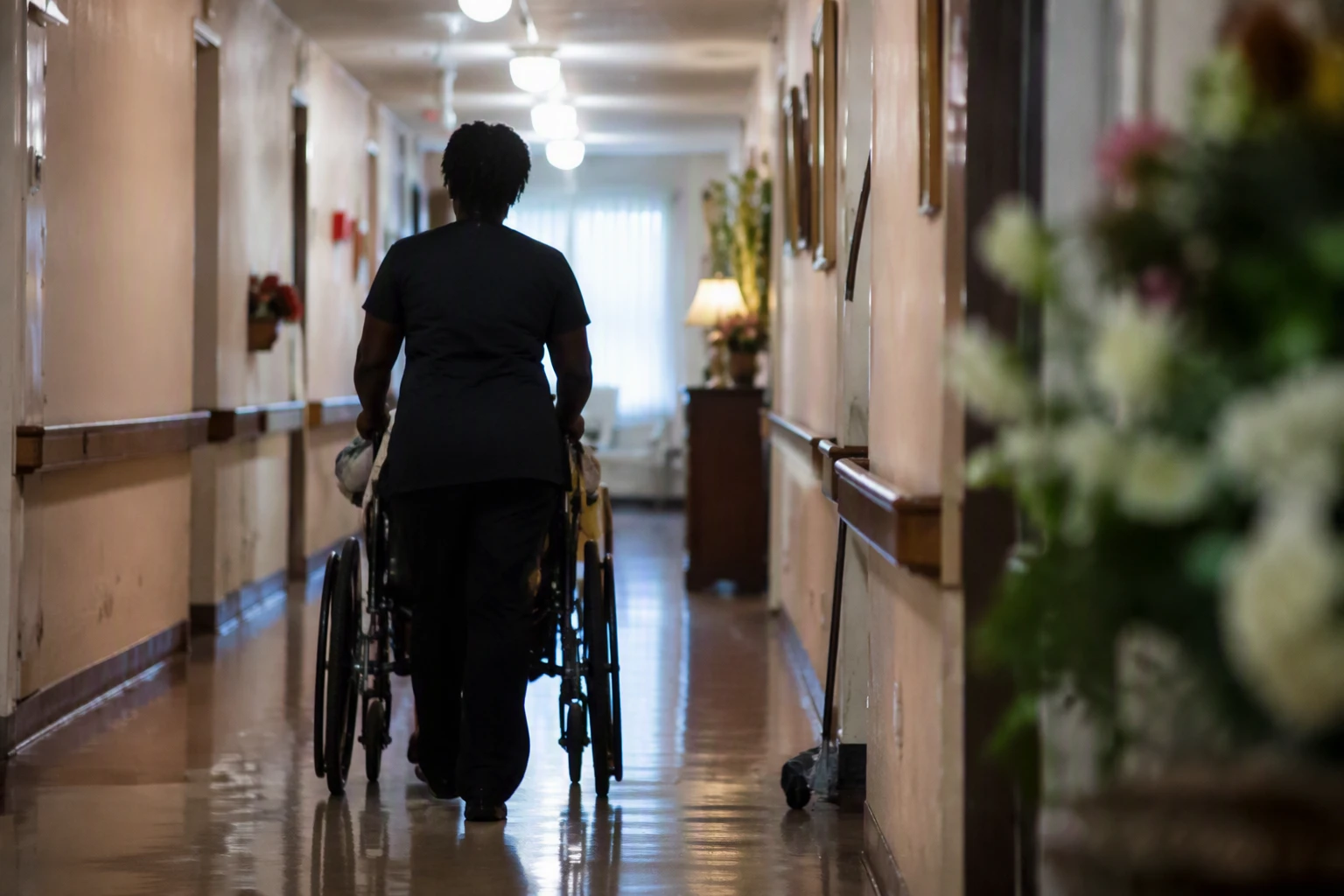
A May 2026 report prepared by Sens. Elizabeth Warren and Edward Markey and Rep. Ayanna Pressley said ending Haitian TPS would create significant disruptions for families, employers and care systems. The stakes are especially high because direct-care jobs are already hard to fill, and the work is physically demanding, emotionally draining and often poorly paid compared with the responsibility it carries.
For seniors and their relatives, the threat is immediate and practical: a trusted caregiver disappears, then routines around meals, medications and mobility can unravel. For Haitian workers, the policy fight puts jobs, legal status and the ability to support children and relatives at risk, turning a federal enforcement decision into a household-level crisis in elder care.
Sources
- [1]apnews.com
- [2]uscis.gov
- [3]pbs.org
- [4]youtube.com
- [5]larson.house.gov
- [6]members.homecarefla.org
- [7]leadingage.org
- [8]warren.senate.gov
- [9]19thnews.org
- [10]motherjones.com