US News
In Harrisburg, soccer helps Bhutanese refugees build community
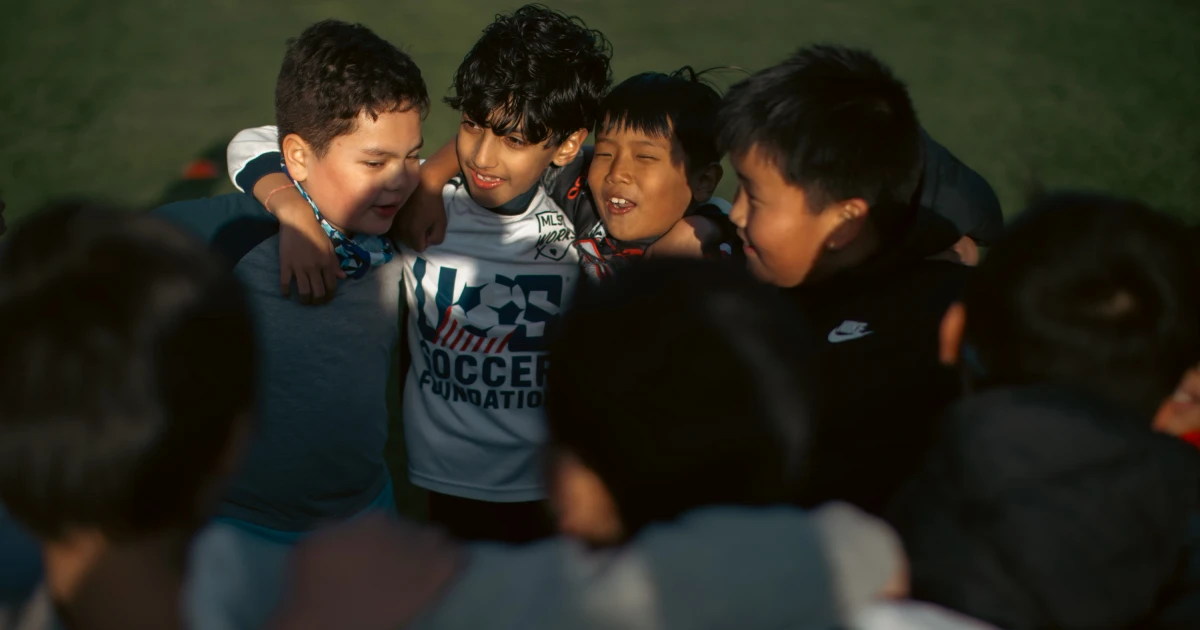
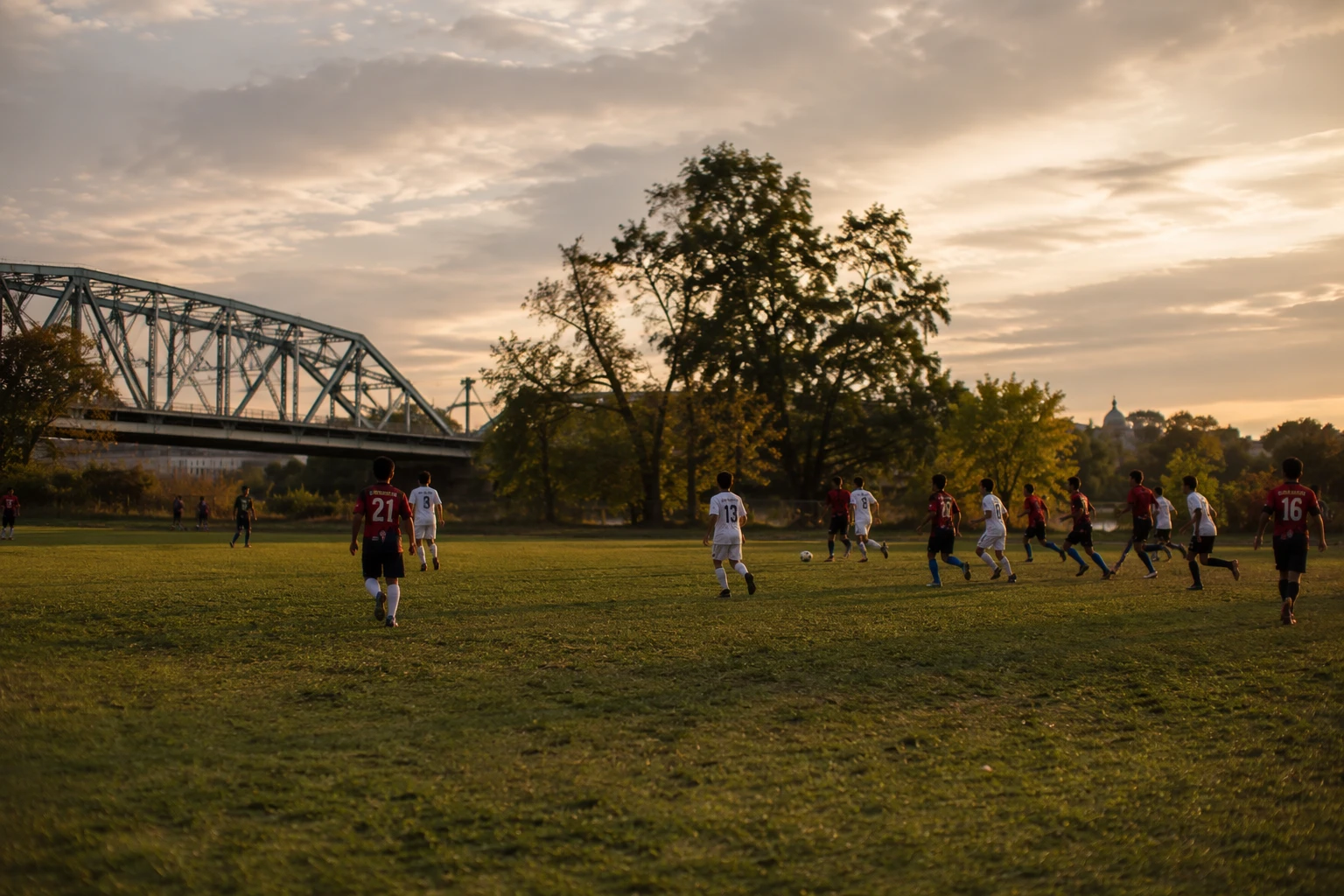
On Harrisburg soccer fields, Bhutanese families have built a routine that reaches beyond the final score. The games bring together parents who fled Bhutan, children who know central Pennsylvania as home, and a community that has become one of the largest Nepali-speaking Bhutanese hubs in the country. In a city shaped by resettlement, the field works as social infrastructure, a place where memory, language, and belonging move from one generation to the next.
A community built after displacement
The Bhutanese presence in the greater Harrisburg area grew out of forced migration, not long-established settlement. Ethnic Nepali residents were expelled or pushed to flee Bhutan in the late 1980s and 1990s, then spent years in refugee camps before many were resettled in the United States. Many of these families arrived in the area less than 20 years ago, a short span for a community that has already built businesses, services, and cultural institutions.
That growth is visible in the numbers. Keystone Newsroom put the population at more than 50,000 Nepali-speaking Bhutanese refugees in Harrisburg and the surrounding area. The region is home to one of the largest communities in the nation of former Bhutanese refugees. The Bhutanese Community in Harrisburg, now the Bhutanese Community of Central Pennsylvania, was founded in 2011 and received IRS 501(c)(3) status in September 2014. It serves as the principal community-based organization for the Nepali-speaking Bhutanese-American population of central Pennsylvania and operates from 940 East Park Drive, Suite 218, in Harrisburg.
Soccer as a shared ritual
In a community that has had to rebuild itself across generations and across borders, the game creates a familiar public rhythm: children play, adults gather, elders watch, and the day unfolds around a shared field. The sport gives younger Bhutanese Americans a place to learn how their families socialize, compete, and organize, while older residents see a piece of the communal life they left behind and recreated in Pennsylvania.
Soccer also fits the larger pattern of how the community has made a home in central Pennsylvania. Families have opened businesses and built a network of services and cultural institutions, and the game sits inside that daily life. The same community that can draw more than 20,000 people to the BCH Mela festival also relies on ordinary spaces, including fields and sidelines, to keep intergenerational ties intact.
When belonging becomes a political question
Those ties became more visible, and more fragile, when federal immigration enforcement entered the picture. In March 2025, Immigration and Customs Enforcement detained five members of the Dauphin County Bhutanese community. Six former Bhutanese refugees living in Pennsylvania were later detained, five from the Harrisburg area and one from nearby Cumberland County, despite their permanent legal status.
By April 2025, four of the detained Bhutanese refugees from Pennsylvania had been deported. The detentions prompted protests and public pressure from community leaders and elected officials. Dauphin County Commissioner Justin Douglas was among the officials drawing attention to the issue, as the community publicly questioned how people with legal status could be taken into custody and removed.
Public leaders and a visible civic base
Tilak Niroula, who chaired Bhutanese Community in Harrisburg, became a prominent voice in the 2025 response to the detentions and deportations. The board later elected Youraj Koirala as the new chairman beginning January 1, 2026, and he spoke at a press conference at the Dauphin County Administration Building about ICE detaining Bhutanese refugees.
Sources
- [1]npr.org
- [2]bhutanwiki.org
- [3]keystonenewsroom.com
- [4]wgal.com
- [5]inquirer.com
- [6]theburgnews.com