World
Incel-Inspired Violence Raises Alarms in Mexican Schools
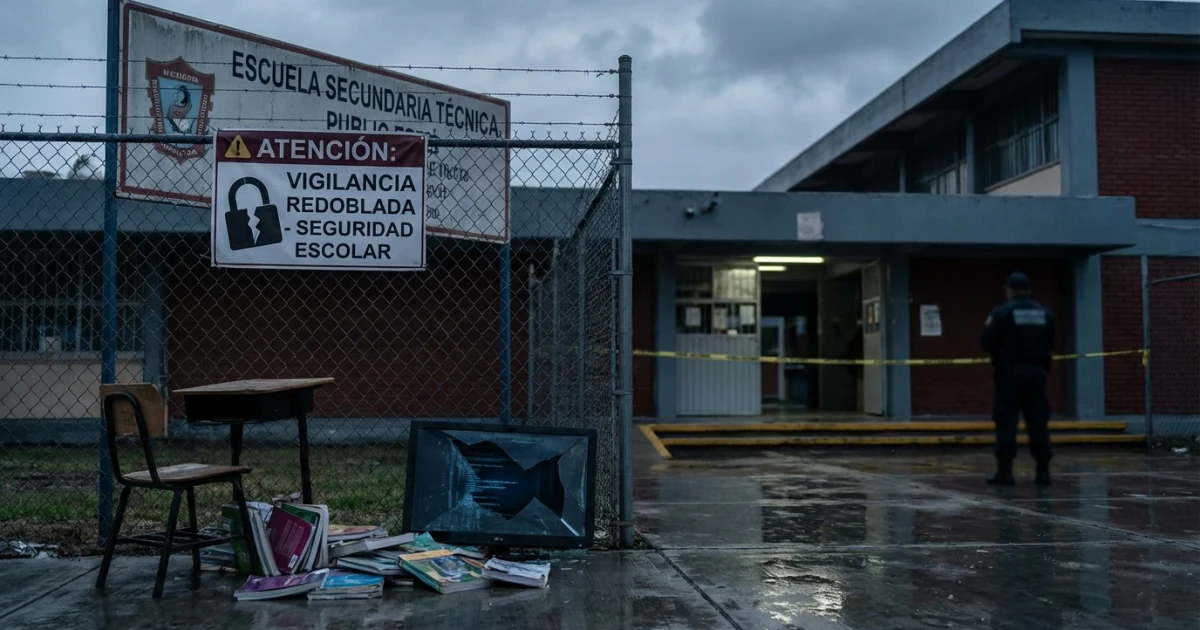
Mexican schools are once again under scrutiny following a disturbing attack that authorities and analysts link to the online 'incel' subculture, reigniting concerns over student safety and the influence of misogynistic digital communities. The recent incident, reported by EL PAÍS English, is the latest in a series of violent acts attributed to individuals influenced by the so-called 'involuntary celibate' or 'incel' movement.
Online Misogyny Moves Into Classrooms
The term incel refers to an online community where men express frustration over romantic rejection and often blame women, sometimes advocating or celebrating violence. While the incel phenomenon is largely rooted in virtual spaces, its impact in the real world has grown increasingly visible. According to EL PAÍS English, the latest attack in a Mexican school echoes previous incidents in which young perpetrators have cited incel ideology, raising questions about the spread of online hate into physical spaces.
These attacks are not isolated. Incidents tied to incel ideology have been reported in several countries, with Mexico now facing a worrying uptick. The BBC notes that while school shootings and mass violence remain less common in Mexico than in the United States, there has been a rise in reported cases of school violence, including those with ideological motivations.
Statistical Trends and Official Responses
- Official data from Mexico's National Public Security System shows a steady increase in violent incidents in educational settings over the last five years. The open data portal tracks everything from assaults to threats, with a notable spike in aggression linked to gender-based motives.
- According to the Encuesta Nacional sobre la Dinámica de las Relaciones en los Hogares (ENDIREH), almost 25% of Mexican students reported witnessing or experiencing violence in schools, a figure that has grown alongside increased internet access and exposure to online subcultures.
- The United Nations Office on Drugs and Crime (UNODC) highlights that youth-involved violent crime, particularly in urban areas, often carries ideological or retaliatory elements, complicating prevention efforts.
Understanding the Incel Threat
Recent research published in Crime, Law and Social Change systematically reviews incel-related violence, noting that perpetrators typically exhibit a mix of social isolation, misogynist beliefs, and fascination with previous attacks. These factors, combined with the amplifying effect of online forums, have made incel-inspired violence a unique threat to school safety in multiple countries, including Mexico.
The FBI's threat assessment of incel violence warns that young men radicalized online may view schools as sites for notoriety, echoing motives seen in North America and now emerging in Latin America. These findings align with Mexican authorities' concerns that the digital propagation of incel ideology could lead to further incidents if not addressed through prevention and education.
School Safety and Prevention Efforts
In response to recent events, Mexican officials have announced a review of school security measures and called for expanded mental health support. Some experts advocate for targeted interventions to address online radicalization, while others emphasize the importance of educating students about digital harassment and extremism.
- Teachers and administrators are being trained to recognize warning signs of ideological violence.
- Legislators are considering stricter controls on weapons and enhanced monitoring of social media for threats against schools.
- Community organizations are working to create safe reporting channels for students concerned about peers’ online activity.
Looking Ahead
The incel-inspired attack has reignited a national conversation about the intersection of online subcultures, misogyny, and youth violence in Mexico. While authorities are taking steps to shore up security, experts warn that the persistence and evolution of digital hate communities will require ongoing vigilance, research, and education to prevent future tragedies.
For readers interested in further data and context on violence in Mexican schools, comprehensive resources are available through the INEGI and the SESNSP open data portal.