World
India and EU Seal Landmark Free Trade Pact: A New Era for Global Commerce
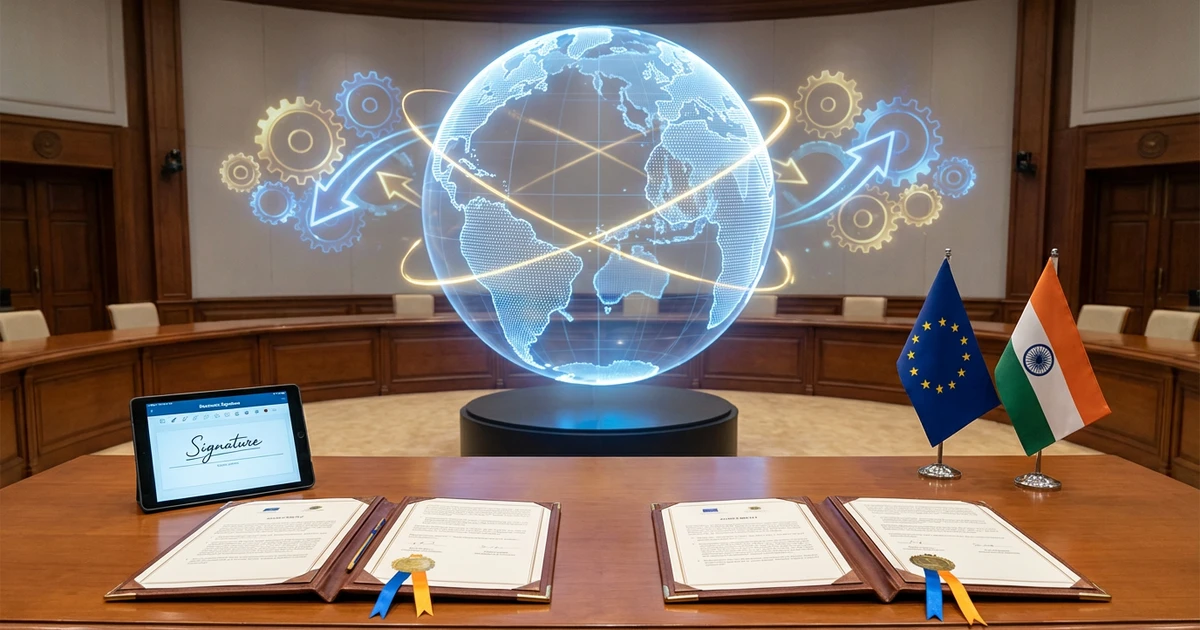
India and the European Union (EU) have officially concluded a historic free trade agreement, hailed as the ‘mother of all deals.’ This landmark pact is expected to reshape global commerce, strengthen bilateral ties, and set new standards for international trade cooperation.
The Historic Agreement: What It Means
The newly announced free trade agreement between India and the EU represents one of the most significant economic accords in recent history. Designed to eliminate barriers on goods and services, the deal aims to foster increased investment, drive economic growth, and boost employment opportunities across both regions.
- Tariff reductions are anticipated to make cross-border trade more affordable for businesses and consumers.
- Simplified customs procedures are expected to accelerate supply chains and reduce costs.
- Mutual recognition of standards will allow easier movement of goods, particularly in pharmaceuticals, machinery, and technology sectors.
By bridging two of the world’s largest markets, the agreement is projected to have a multiplier effect, encouraging further collaboration in areas such as digital innovation, climate action, and sustainable development.
Global Reactions and Geopolitical Impact
The announcement of the deal has drawn worldwide attention. As reported, ‘all eyes are on Trump’s reaction’—a reference to how the United States and other major trade partners may respond to this evolving economic alignment. The agreement underscores the growing importance of strategic partnerships outside traditional Western alliances, reflecting a shift in global power dynamics.
Economic Implications for India and the EU
For India, the agreement is expected to open greater access to the lucrative European market, encourage foreign direct investment, and support the country’s ongoing push to become a global manufacturing hub. For the EU, the deal secures a foothold in one of the fastest-growing economies, providing new opportunities for European exporters and investors.
- India is the world’s fifth-largest economy, with a large consumer base and a rapidly expanding middle class.
- The EU remains a top trading partner for India, accounting for a significant share of the country’s exports and imports.
The agreement is expected to accelerate post-pandemic recovery efforts in both economies, create jobs, and enhance competitiveness in global markets.
Looking Forward: Challenges and Opportunities
While the deal is being celebrated as a breakthrough, analysts note that the path to implementation may involve complex negotiations over sensitive sectors such as agriculture, intellectual property, and data privacy. Both sides are expected to work collaboratively to address these issues and ensure that the benefits of the agreement are widely shared.
The successful conclusion of this free trade pact sets a precedent for future agreements and signals a commitment to open markets and international cooperation at a time of rising protectionism in some regions.
Conclusion
As India and the EU embark on this new chapter, the ‘mother of all deals’ stands as a testament to the power of diplomacy and shared economic ambition. The world will be watching closely as the two partners translate this agreement into tangible benefits for their citizens and the broader global economy.
Sources
- [1]AP News