World
India and Japan deepen ties with AI, energy and defense deals
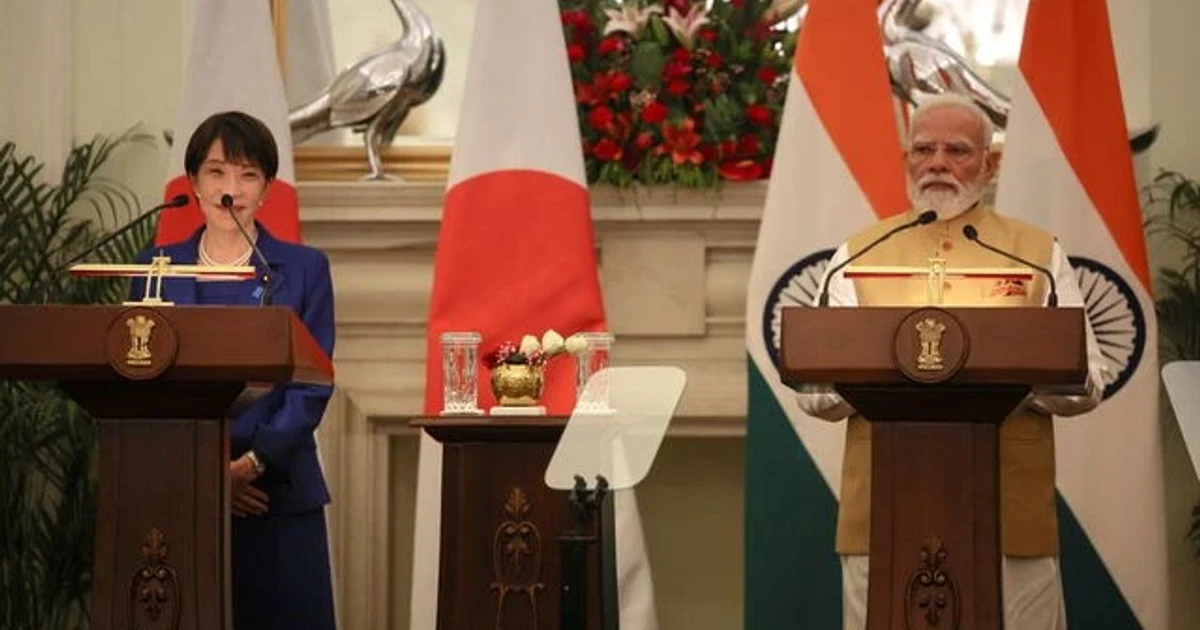
India and Japan broadened their partnership in New Delhi after Narendra Modi and Sanae Takaichi agreed to expand cooperation in artificial intelligence, metals, energy and defense, while also preparing a joint roadmap on economic security. The talks gave the two governments a sharper framework for tying industrial policy, technology and strategic coordination into one agenda.
The deal-making came during Takaichi’s July 1 to 3 visit to India, her first official trip to the country as prime minister, and followed the 16th annual India-Japan summit on July 2. The timing underscored how the relationship has moved beyond ceremonial diplomacy. New Delhi and Tokyo are now working through the practical questions of access to strategic inputs, resilience in manufacturing and the ability to shield supply chains from external shocks.
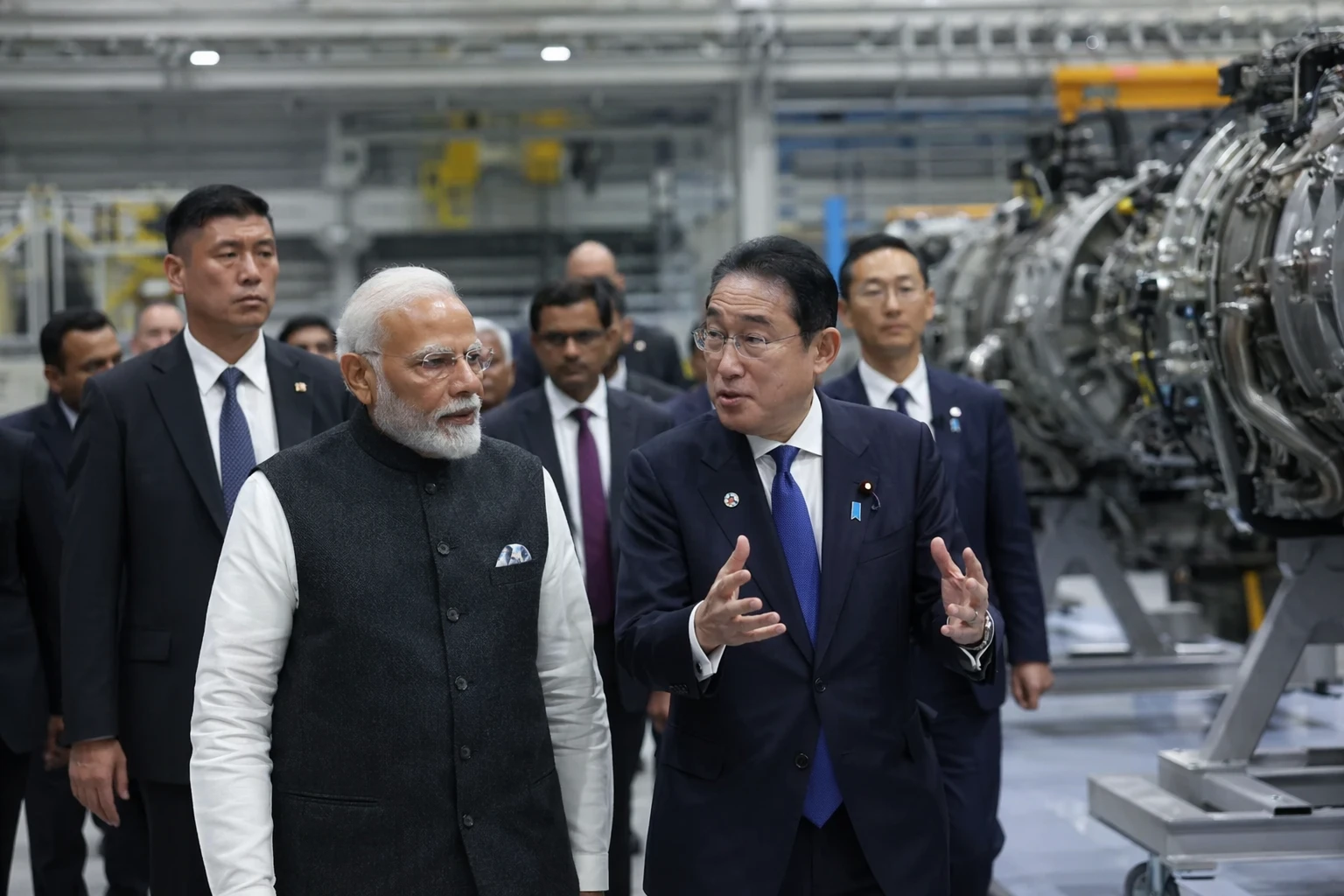
The economic-security roadmap is the clearest sign of that shift. It links areas that often sit in separate policy lanes, including semiconductors, critical minerals, green hydrogen, next-generation mobility, startups, research and supply-chain resilience. The emphasis on AI and metals points directly to two pressures both capitals face: keeping pace in advanced technologies and securing the raw materials needed to build them.
Defense cooperation also took a more concrete step. The broader package included the two countries’ first joint defense co-development project, a move that deepens trust at a time when both governments are watching security dynamics across the Indo-Pacific with growing caution. The agenda also reached into energy, where the governments launched a biogas initiative aimed at building 1,000 plants in India, part of a wider effort to diversify energy options and reduce dependence on single points of vulnerability.
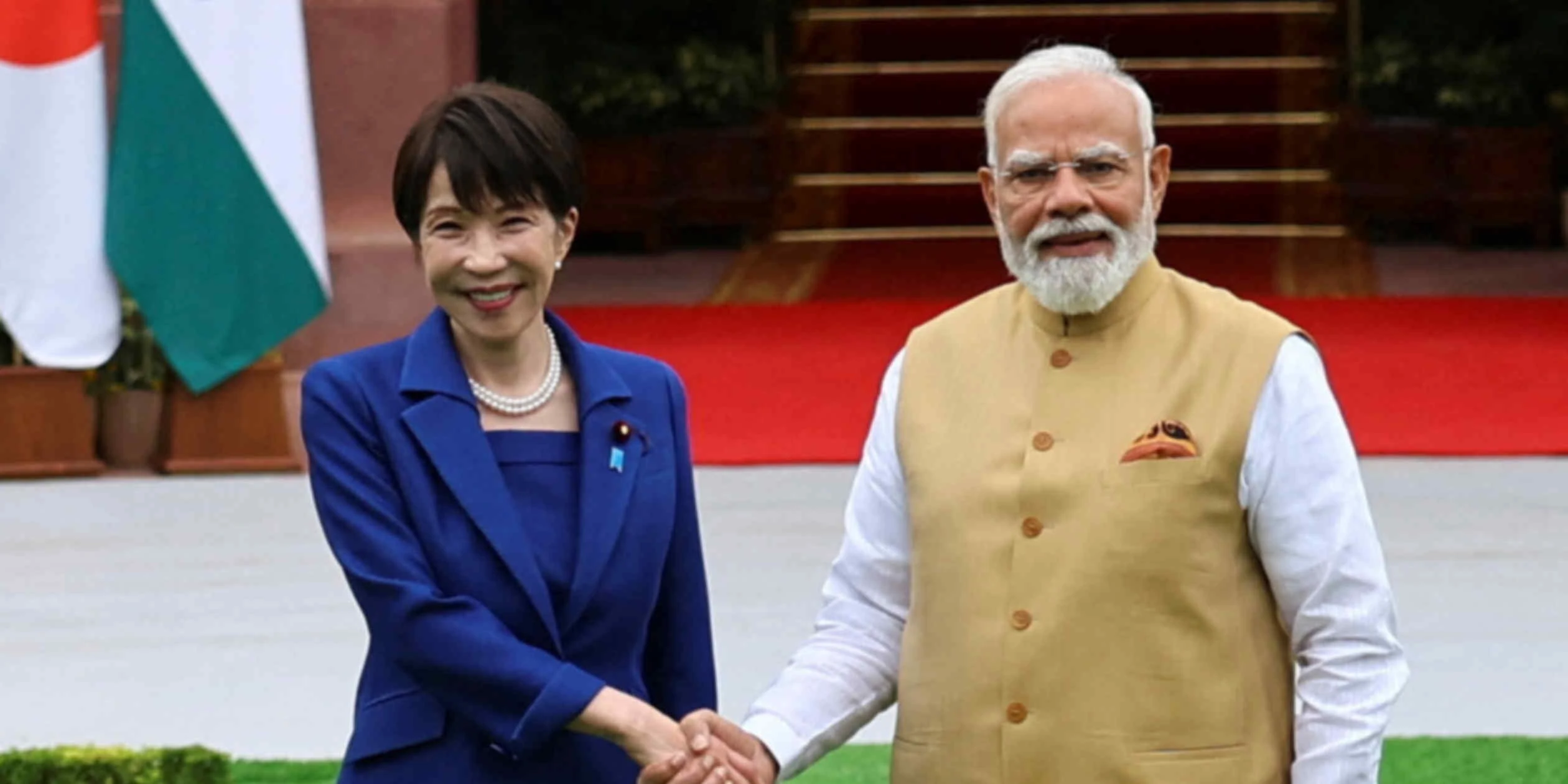
Commercial scale matched the strategic language. Modi and Takaichi set a target of ¥10 trillion in Japanese investment in India over the next decade and discussed plans to double the number of Japanese companies operating in the country. Five memorandums of understanding were also signed during the summit, widening the formal structure behind the new commitments.
Taken together, the agreements show India and Japan treating economics and security as the same conversation. For both countries, the question is no longer just how to trade more, but how to make their industrial bases, energy systems and technology networks more resilient as China’s regional weight continues to shape the balance of power in Asia.