World
India and New Zealand elevate ties to strategic partnership in Auckland
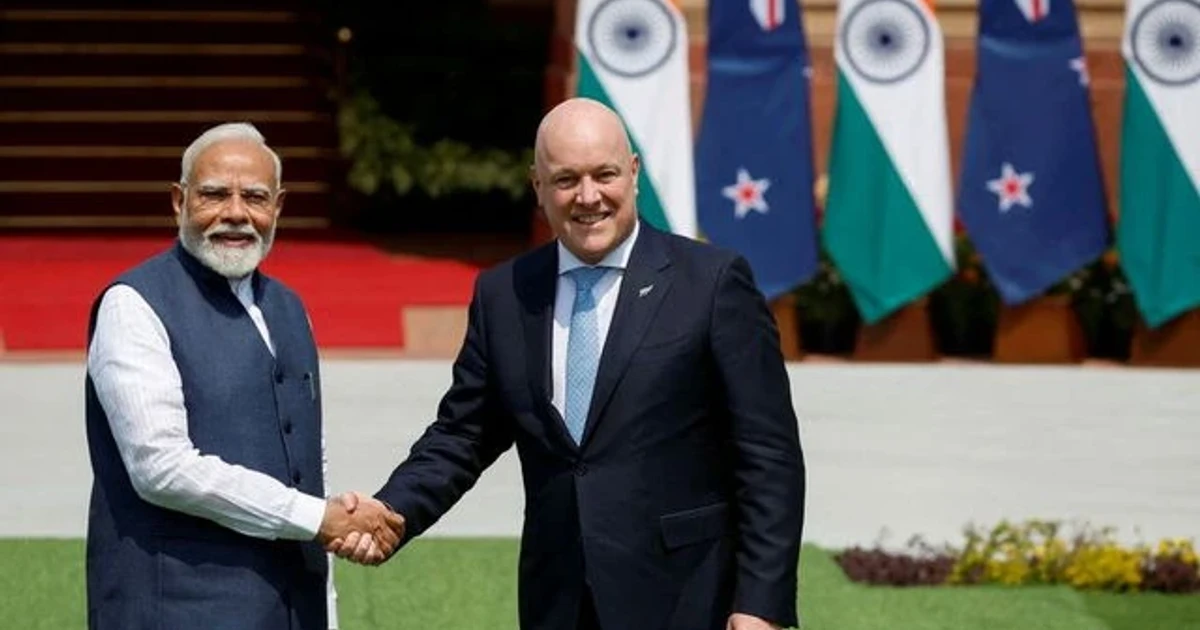
India and New Zealand elevated their relationship to a strategic partnership in Auckland on Saturday, putting trade, defense and maritime security at the center of a relationship that had long moved more slowly than both sides wanted. The upgrade came as Prime Minister Narendra Modi made the first visit by an Indian prime minister to New Zealand in 40 years, giving the announcement unusual political weight as well as diplomatic symbolism.
The timing mattered. New Zealand and India signed a bilateral free trade agreement on April 27, 2026, after launching negotiations on March 17, 2025 and reaching substantive conclusion on December 22, 2025. That deal is the clearest sign yet that both governments want a more durable economic framework after their previous attempt at free-trade talks, which ran from 2010 to 2015 and ended after 10 rounds. The agreement now moves into New Zealand’s parliamentary review and legal implementation process.
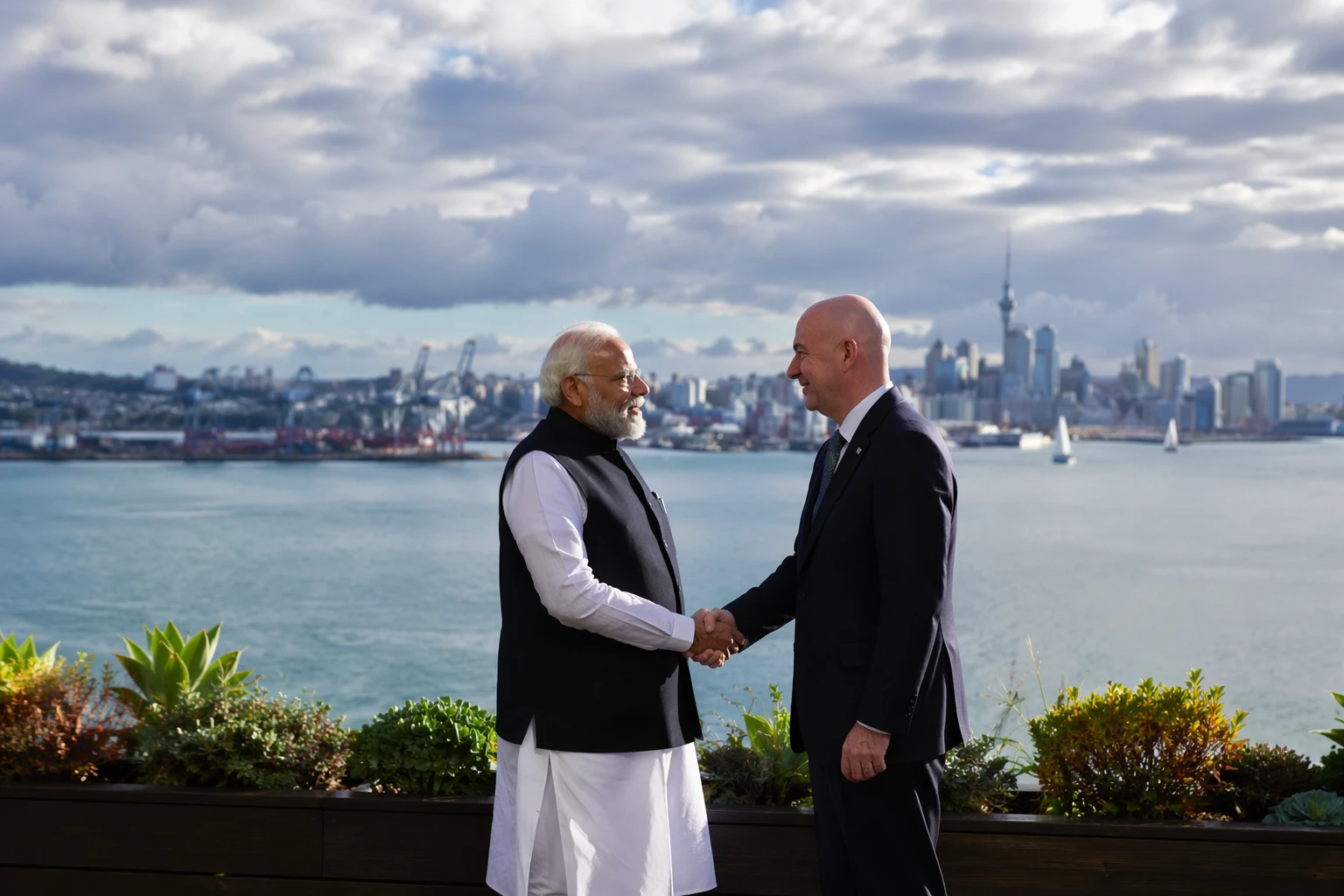
Trade already gives the relationship real economic substance. New Zealand says India is its 11th-largest goods and services export market, accounting for 1.8% of exports, and two-way trade reached NZ$3.95 billion in the year ended December 2025. New Zealand exports to India totaled NZ$2.03 billion in that period, led by travel services at NZ$1.14 billion, forestry at NZ$399 million and horticulture at NZ$114 million, including apples and kiwifruit. Wellington has also cast India as a fast-rising market, with New Zealand officials pointing to India’s growth outlook and expanding middle class as a reason to deepen ties now.
Security links were folded into the same upgrade. The two governments already have a defence cooperation arrangement and have committed to greater collaboration on maritime safety, a sign that the partnership is intended to reach beyond ceremony and into practical coordination in the Indo-Pacific. That framing fits with New Zealand’s long-standing policy view that India is a strategic priority, built on shared Commonwealth heritage, common law traditions, democratic government and deep people-to-people ties.
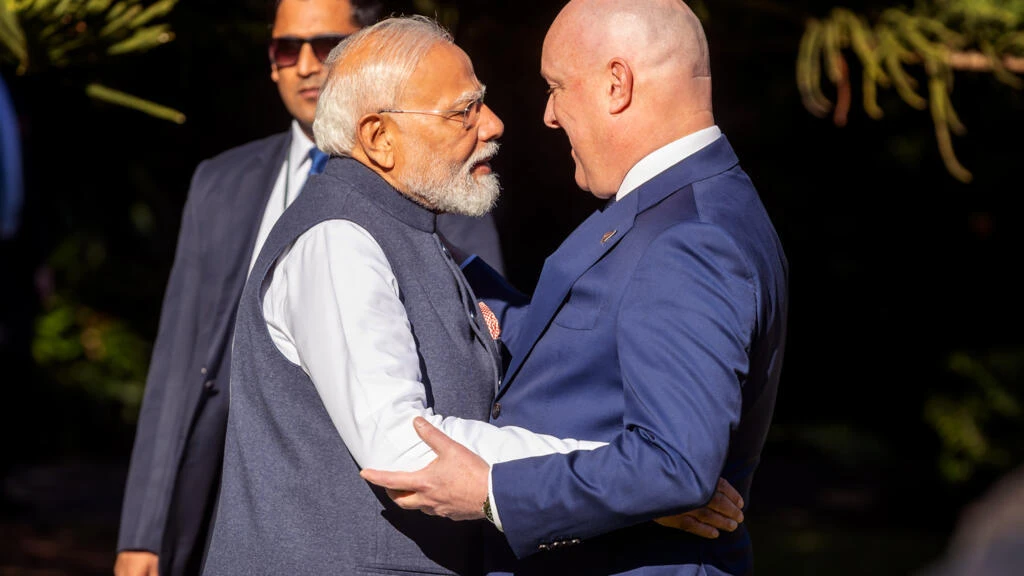
Those ties are visible in New Zealand’s Indian community, which Reuters said numbered about 292,000 people in the 2023 census out of a population of 5.3 million. Modi is scheduled to address an Indian diaspora event in Auckland, giving the trip a domestic audience as well as a diplomatic one. The visit also landed amid sensitivity at home: anti-Indian graffiti was reported in Auckland in April 2026, including at Papatoetoe Central School and a public toilet in Royal Oak, intensifying debate over migration and racism. Against that backdrop, the strategic partnership signaled both a regional bet on the Indo-Pacific and a domestic test of how far the relationship can broaden without running into political friction.
Sources
- [1]usnews.com
- [2]mfat.govt.nz
- [3]mea.gov.in
- [4]rnz.co.nz