World
India and U.S. discuss interim trade deal in New Delhi talks
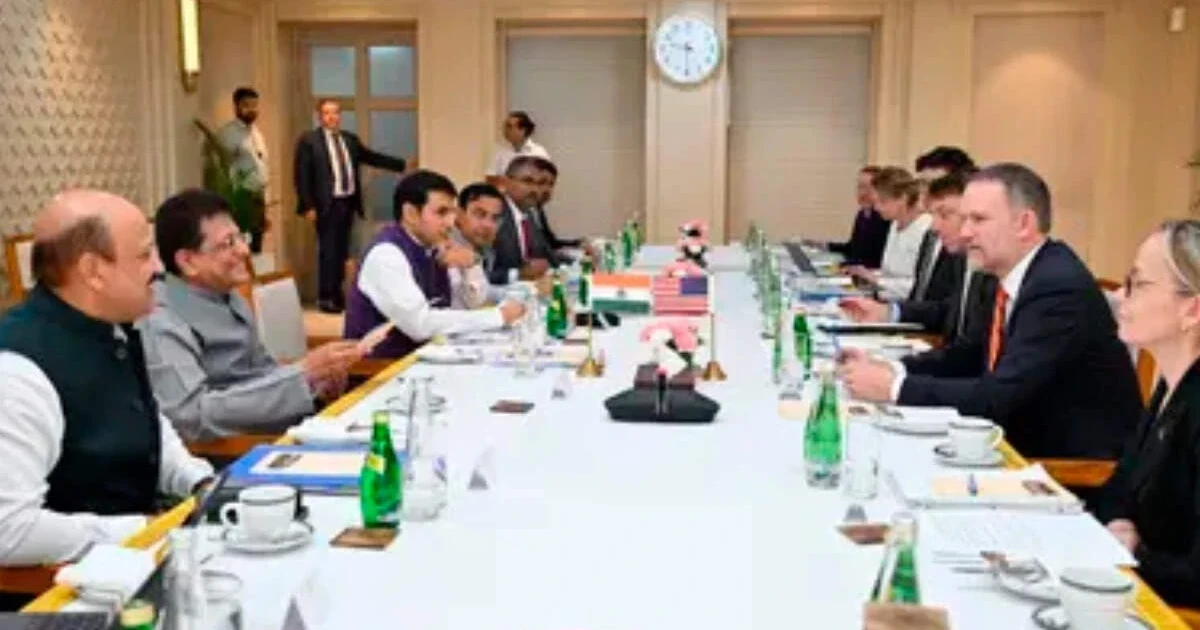
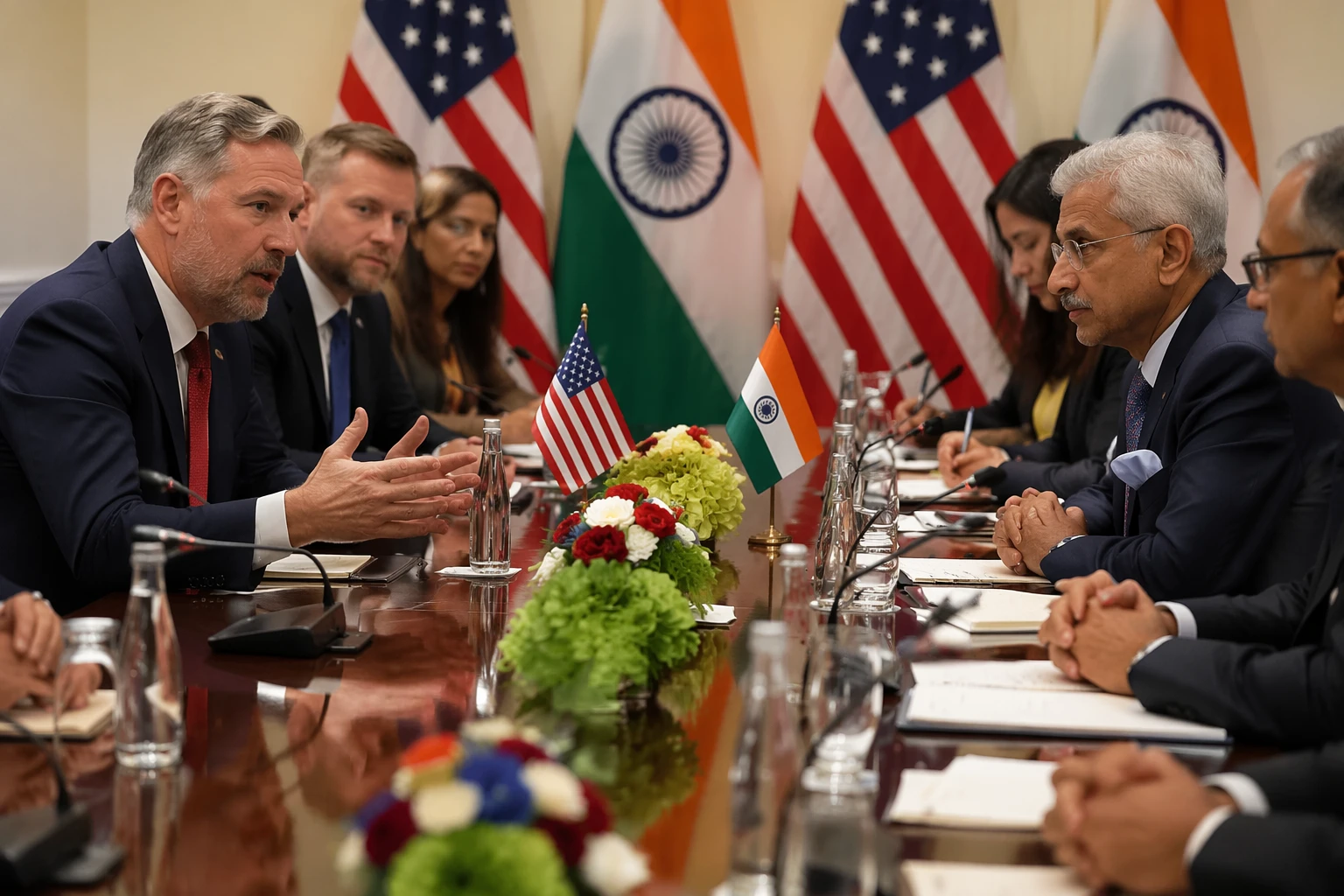
India and the United States moved closer to an interim trade deal in New Delhi on Wednesday as Trade Minister Piyush Goyal met U.S. Trade Representative Jamieson Greer, a step both governments are using to keep broader negotiations alive while the toughest issues remain unresolved. Greer was in India for two days of talks focused on the U.S.-India Joint Statement and the interim agreement.
The immediate prize is not a full trade pact but a limited deal that can hold the line on market access, digital trade, supply-chain resilience and non-tariff barriers. India said the discussions had made substantial progress in recent months and that both sides remained committed to an agreement that would be balanced and commercially meaningful, a formulation that reflects the political need for gains on both sides rather than a winner-take-all opening of either market.
The talks carry added urgency because negotiators are racing against a July 24 deadline tied to a temporary 10% U.S. tariff regime. Agriculture and dairy remain among the most difficult unresolved issues, especially in India, where farm interests remain politically sensitive and any concession on food and dairy imports can trigger domestic backlash. A narrower interim accord would let both capitals claim progress without forcing a final decision on those fraught sectors.
The diplomatic backdrop is also important. India’s Ministry of External Affairs says Prime Minister Narendra Modi met President Donald Trump on June 17 on the sidelines of the G7 summit in Évian-les-Bains, France, the first in-person meeting between the two leaders in more than a year. U.S. officials launched the broader bilateral trade process after the February 13, 2025 understanding between Trump and Modi, and Washington said in February that the aim was to remove tariff and non-tariff barriers and open India’s market of more than 1.4 billion people to American products.
Trade has become a central test of the relationship as India seeks a tariff advantage over other regional exporters to the U.S. market. Indian exports to the United States edged up in April and May to $17.29 billion from $17.21 billion a year earlier, showing how much is already at stake for exporters even before any new deal takes effect. The Supreme Court’s decision to invalidate Trump’s sweeping global tariffs has also changed the negotiating environment, making an interim agreement more likely than a sweeping settlement.
Sources
- [1]uk.finance.yahoo.com
- [2]ustr.gov
- [3]mea.gov.in
- [4]reuters.com