Business
India bans Diageo and Inbrew liquors over artificial flavouring violations
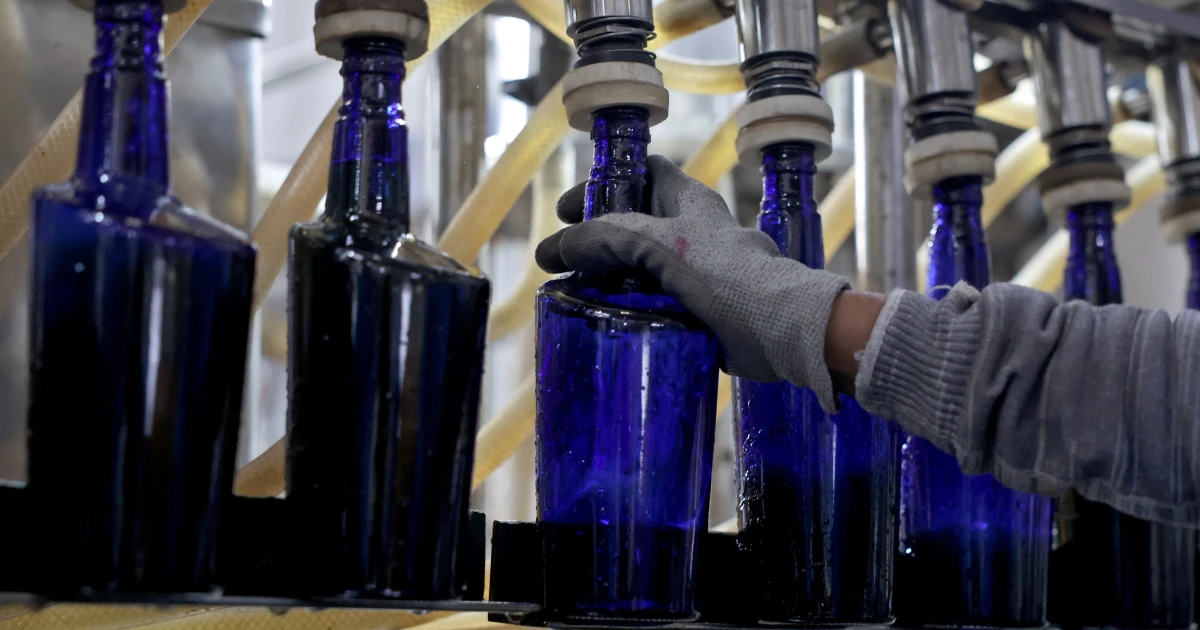
India barred some liquor products tied to Diageo and Inbrew after food safety regulators found artificial flavouring violations, a move that landed squarely on brands including Antiquity Blue, Royal Challenge and Bagpiper. The action exposed how tightly the country polices alcohol labels and ingredients in a market that remains one of the world’s most strategically important for global spirits groups.
The Food Safety and Standards Authority of India targeted whisky and rum products after checks found artificial or nature-identical flavouring, rather than the ageing and ingredients used to achieve the taste and aroma claimed on the label. Reuters-linked coverage identified Diageo India’s Antiquity Blue and Royal Challenge among the affected labels, while Inbrew’s Bagpiper was also named. Related reporting said the regulator had also moved against variants of Old Monk.
The enforcement matters because it reaches beyond one product line. India’s alcohol business is governed by a patchwork of national rules, state excise controls and local labeling requirements, leaving foreign and domestic producers to manage compliance market by market. One report said the affected products were manufactured at selected facilities in Madhya Pradesh and Maharashtra, underscoring how a regulatory decision in one part of the chain can disrupt supply, distribution and shelf availability across multiple states.
For Diageo, which operates in India through United Spirits, the stakes are high. The country is a major growth market for premium spirits, but it is also one where regulators have repeatedly shown they can intervene quickly when branding, age claims or ingredients do not match local standards. Inbrew faces the same pressure on a smaller scale: a sales ban can trigger reformulation, relabeling and delayed shipments, all of which carry costs in a competitive market where access to distributors and retail space is hard to win back.
The latest action also suggests the issue may be broader than a single compliance lapse. Background coverage has said FSSAI had been issuing notices to alcohol manufacturers over alleged flavouring and age-claim violations, while Reuters reported in 2024 that India planned tougher ad curbs on liquor makers including Carlsberg, Diageo and Pernod. Together, the moves point to a stricter environment in which India is pressing harder on what spirits companies can say, how they can flavor products and how closely their labels must match what is inside the bottle.
Sources
- [1]reuters.com
- [2]x.com
- [3]marketscreener.com
- [4]thehindu.com
- [5]theweek.in
- [6]latestly.com
- [7]indianexpress.com
- [8]just-drinks.com