World
India bans Telegram after leaked medical exam scandal forces retest

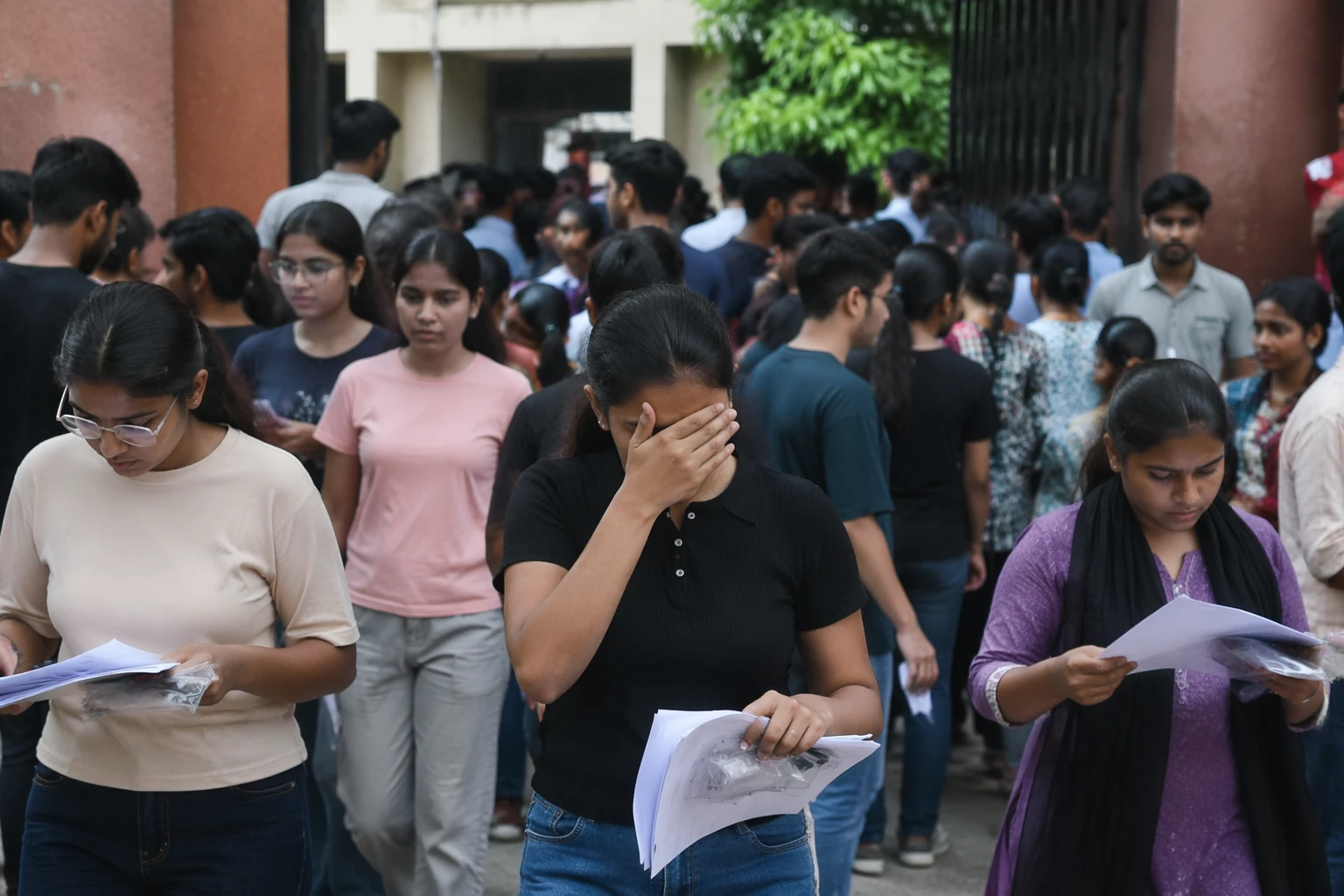
Ridhvi Saxena thought she had finished the hardest test of her life. Instead, the 18-year-old from Bhopal learned that the NEET-UG exam she took on May 3 had been compromised, forcing her and more than 2 million other candidates back into the system for a retest on June 21.
For Saxena and thousands of students who had spent two to three years preparing for the three-hour physics, chemistry and biology exam, the blow was personal and immediate. “I feel very cheated on and betrayed by the system,” she said, adding that she felt “burnt out” and unsure how she would perform when the exam is administered again. NEET is the gateway to India’s medical schools, and for students who see cardiology, surgery or government medical colleges as life-defining outcomes, the leak turned a single paper into a national reckoning.
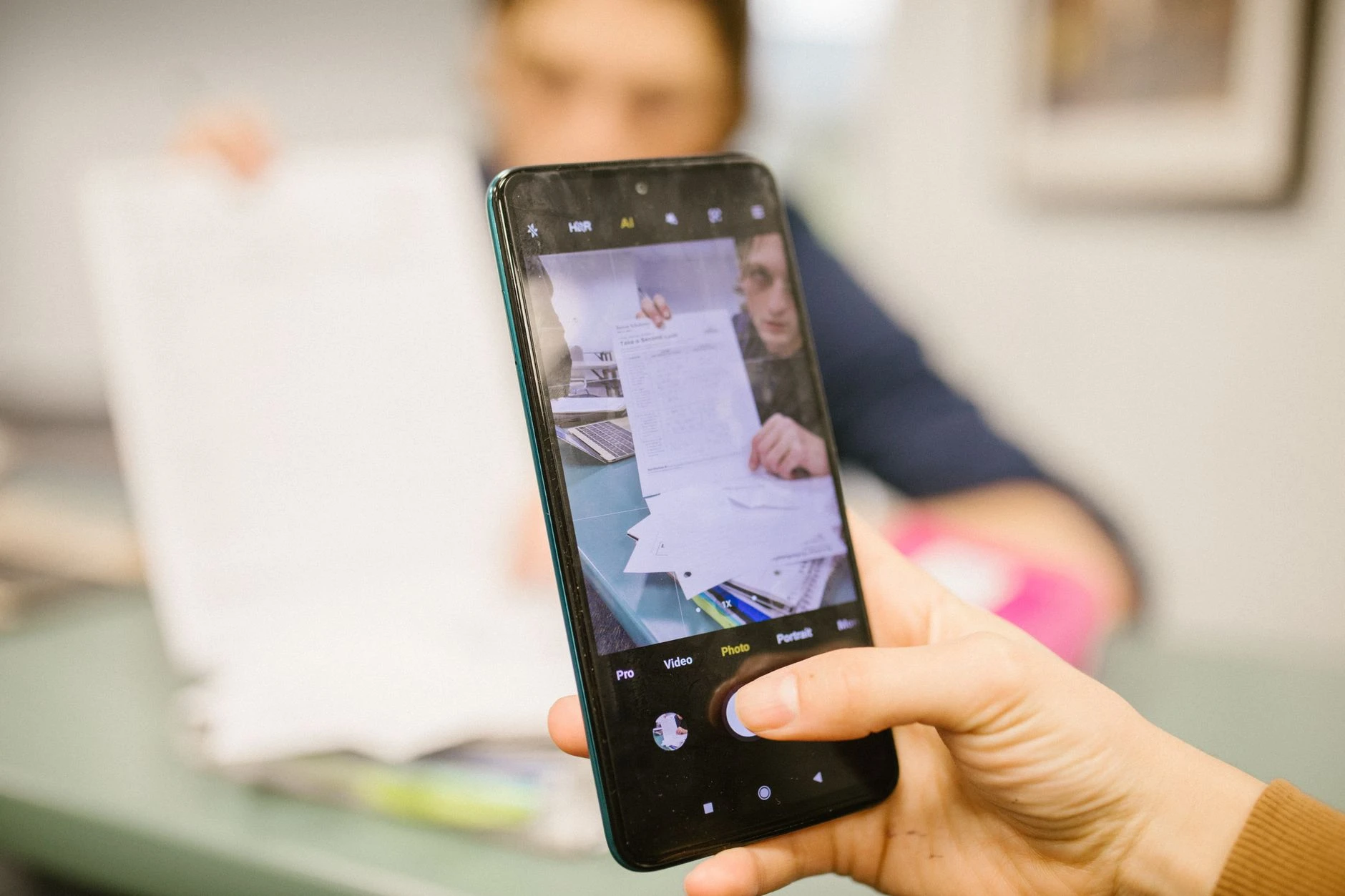
India’s Ministry of Electronics and Information Technology responded by temporarily blocking Telegram nationwide until June 22 and restricting message-editing features until June 30, using Section 69A of the Information Technology Act. Officials said the platform had become a tool for “cheating rackets” that were openly selling leaked papers and exploiting the app’s channels to defraud candidates. The National Testing Agency said the restrictions were intended to help conduct “safe and secure examinations,” while Telegram founder Pavel Durov argued the move punished more than 150 million users in India rather than the people who leaked the papers.
The Central Bureau of Investigation has opened a criminal probe into the breach and arrested PV Kulkarni, a chemistry lecturer described in reporting as the alleged kingpin. Investigators have traced what they say is a multi-state network involving professors, coaching operators, medical students and intermediaries, and the case has already grown to 13 arrests. The allegations have also raised questions about possible involvement by National Testing Agency officials.
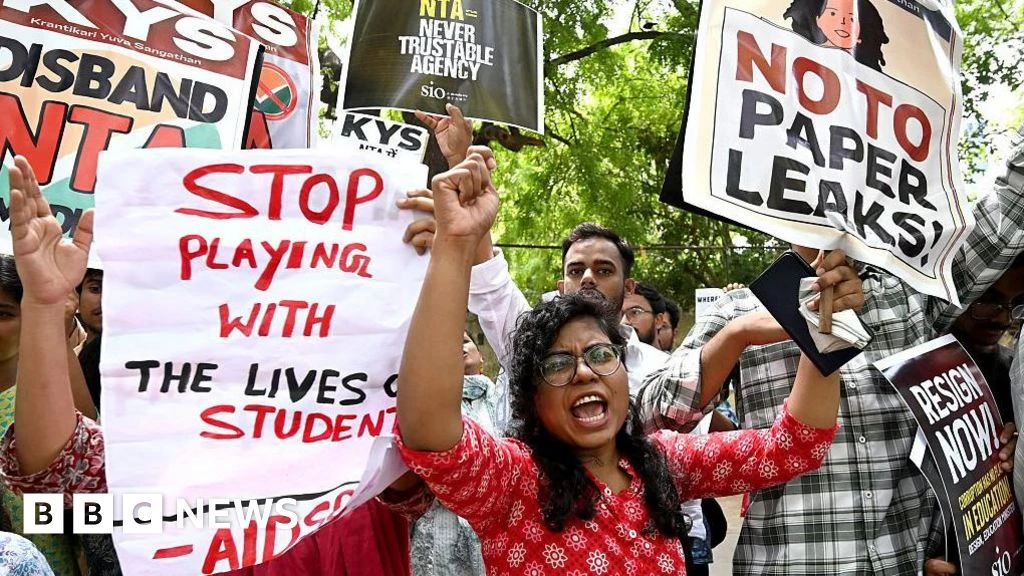
The scandal has spilled far beyond one exam hall. Students and opposition groups have staged protests across India, including demonstrations demanding Education Minister Dharmendra Pradhan’s resignation. NEET-UG 2026 had already been cancelled in May, prompting earlier unrest, and the uproar has revived anger over a separate school marking controversy that affected nearly 2 million high school students. Together, the cases have exposed a deeper crisis: when high-stakes testing depends on trust, even a single leak can punish honest students and destabilize the pathways that shape India’s professional class.
Sources
- [1]nbcnews.com
- [2]cnbc.com
- [3]rte.ie
- [4]economictimes.indiatimes.com
- [5]indianexpress.com