World
India child rape murder case reignites anger over sexual violence
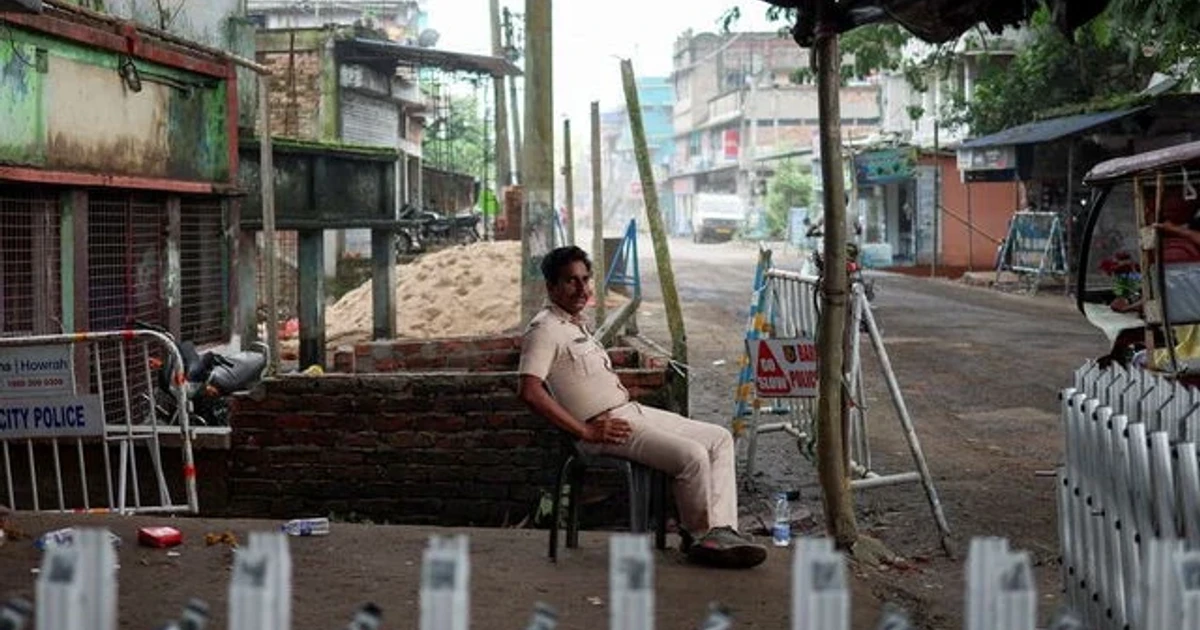
Police guarded streets in Baruipur near Kolkata after the rape and murder of an 11-year-old girl who left home for a friend’s birthday party on a Saturday evening and never came back. The case, in eastern India’s South 24 Parganas district, quickly became another national flashpoint, not only because of the child’s age but because it exposed how little has changed in the machinery meant to prevent abuse, investigate it and punish it fast enough to matter.
The killing triggered protests across West Bengal, and police later said they arrested dozens of people for violence and vandalism during the unrest. One innocent person was lynched by angry crowds, deepening the law-and-order crisis around a case that began as a child’s disappearance and became a wider test of public trust in policing. West Bengal Police formed a Special Investigation Team, and early reporting said three people were arrested in connection with the investigation. Local reports also said the key accused later died in a police encounter while being taken for crime-scene reconstruction.
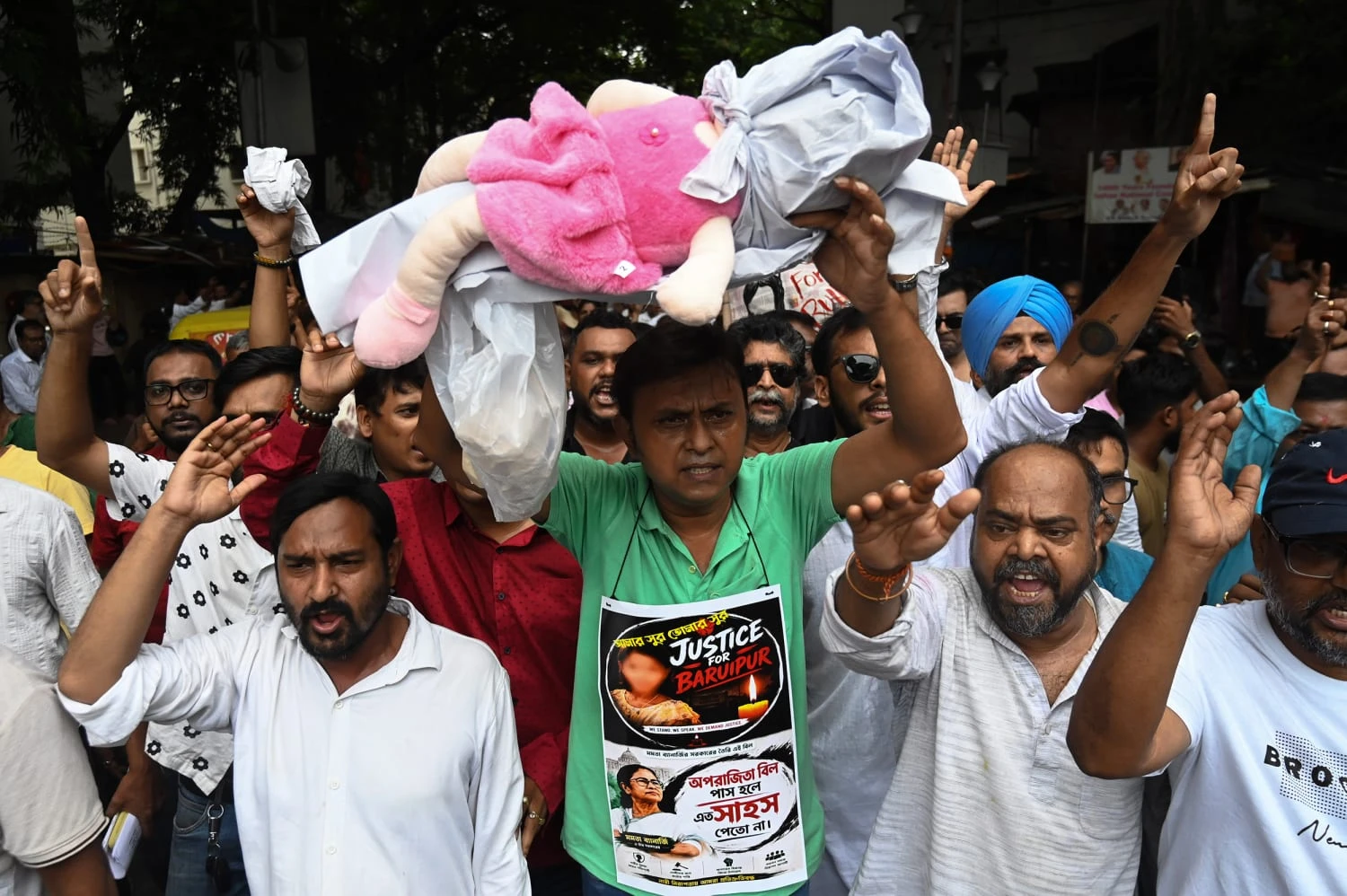
The case has resonated because it fits a recurring pattern in India: outrage flares after a child is attacked, officials promise action, and attention fades before structural failures are fixed. Patriarchy, misogyny, understaffed police forces and slow judicial processes continue to shape outcomes in cases of sexual violence, especially in smaller towns where enforcement can be uneven and social pressure stronger. The victim’s age has been reported inconsistently in some accounts as 11 or 12, underscoring how even basic facts around such crimes can remain unsettled in the first days of an investigation.
The broader backdrop is no less stark. India’s National Crime Records Bureau recorded 31,516 rape cases in 2022, or about 86 a day, in the latest officially published Crime in India report. Activists say the true toll is higher because fear, stigma, family pressure and distrust of police keep many victims silent. The numbers remain a reminder that public outrage has not yet translated into dependable safety for women and girls.

This is why the Baruipur case has revived memories of the 2012 Delhi gang rape and murder, the watershed crime that led to the Criminal Law (Amendment) Act, 2013. That reform expanded the legal definition of rape and added offences such as stalking and voyeurism, and it is still widely described as the most sweeping overhaul of rape law since Independence. Yet the same gaps persist in policing, prosecution and protection, and the latest killing shows that the distance between law on paper and safety on the ground remains dangerously wide.
Sources
- [1]usnews.com
- [2]thehindu.com
- [3]ncrb.gov.in
- [4]prsindia.org