World
India, China signal cautious thaw at BRICS security meeting
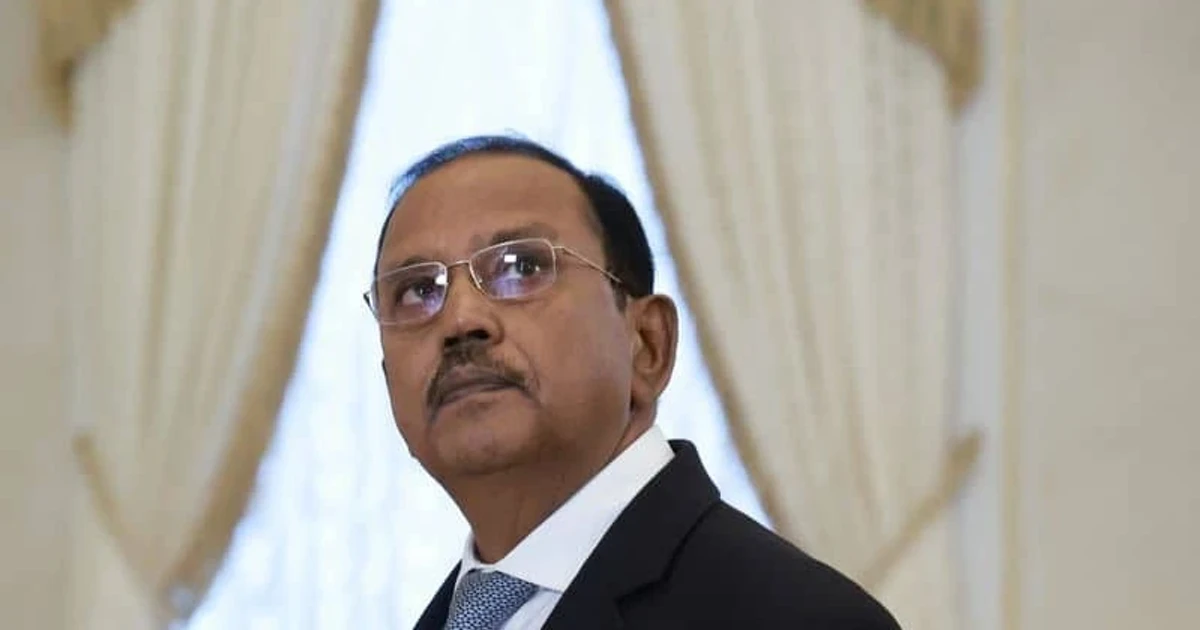
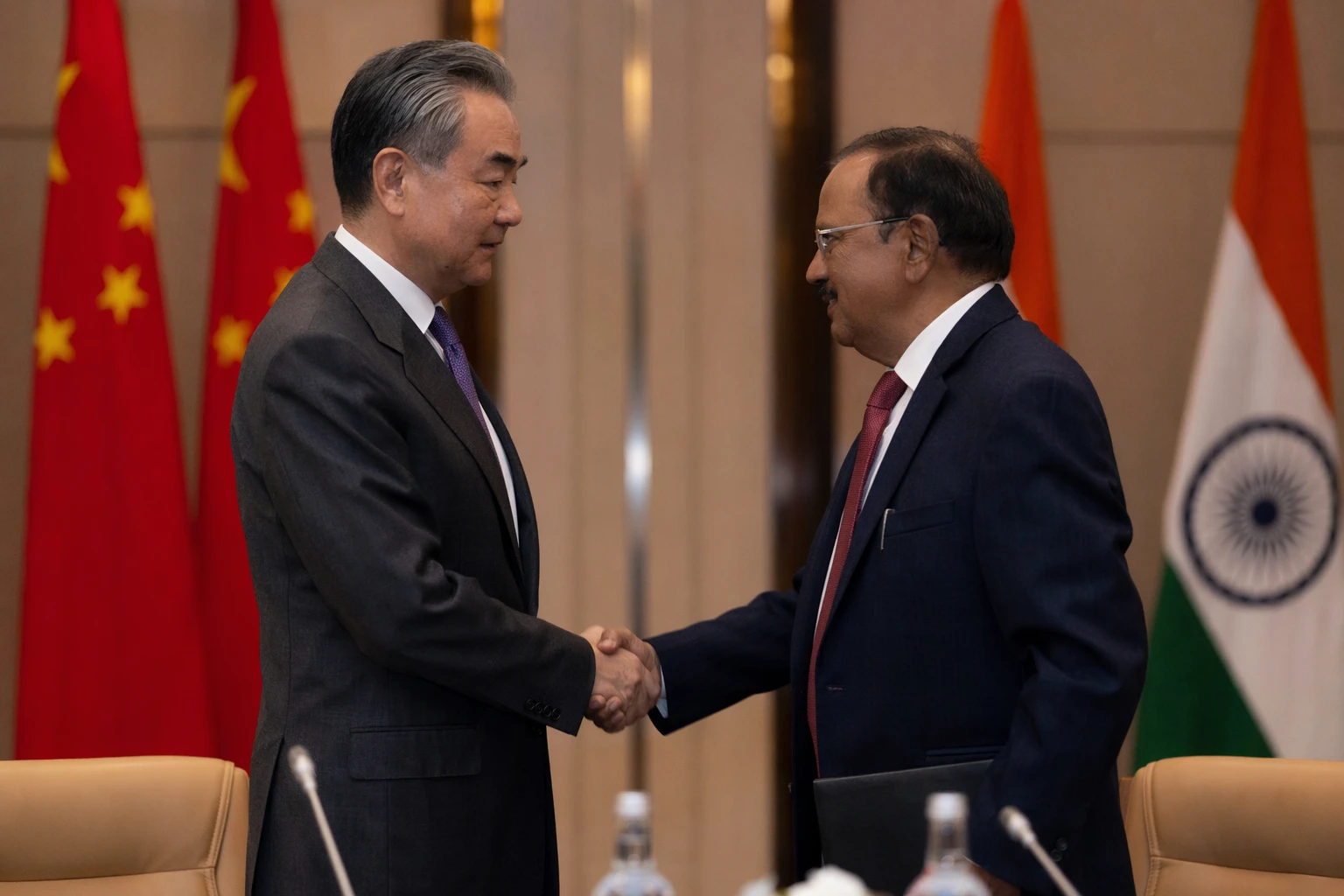
Ajit Doval and Wang Yi used the BRICS security meeting in New Delhi to project a cautious thaw in India-China ties after years of strain along the Himalayan frontier. India’s foreign ministry described their sideline exchange as “constructive and forward-looking” and said both sides noted progress toward gradual normalization.
That normalization, in practice, means keeping the diplomatic channels open and managing the border rather than pretending the dispute has disappeared. India and China now have more than 30 dialogue mechanisms across political, economic, cultural, consular and regional issues, and the October 21, 2024 disengagement agreement on patrolling in Depsang and Demchok led to verification patrolling in both sectors of eastern Ladakh. Even so, recent analysis cited in reporting says around 100,000 troops remain deployed on both sides of the frontier, a reminder that the 2020 rupture has not been reversed.
The long arc of the relationship helps explain the caution. India established diplomatic relations with the People’s Republic of China on April 1, 1950, but the 1962 border war set back ties sharply. India’s foreign ministry has described Rajiv Gandhi’s 1988 visit as an early turning point, and later milestones included the 2015 upgrade to a Strategic and Cooperative Partnership for Peace and Prosperity, the Wuhan summit between Narendra Modi and Xi Jinping in April 2018, and their Chennai meeting in October 2019. The eastern Ladakh crisis in April and May 2020 then badly damaged the relationship, especially after deadly clashes on the border.
This week’s BRICS National Security Advisers’ Meeting, held under India’s chairship on June 22 and 23, was designed around “non-traditional security challenges” and also served as a diplomatic touchpoint ahead of a BRICS leaders’ summit in India in September 2026. Wang’s presence in Delhi mattered beyond the optics: he is Beijing’s foreign minister and its special representative on the India-China boundary question, making the trip a security meeting and a border-diplomacy channel at the same time.
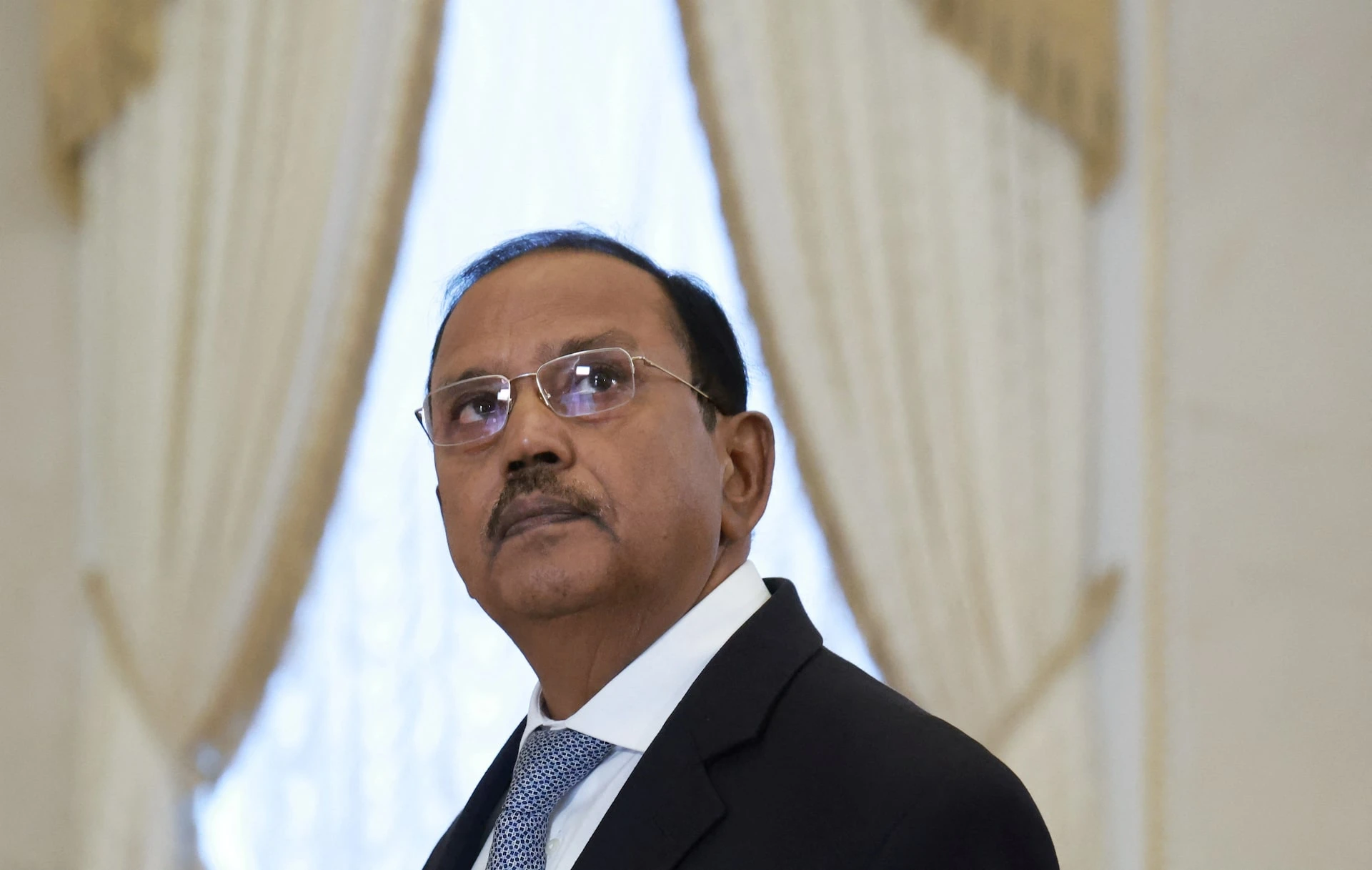
Wang and Doval last met in Beijing on June 23, 2025, on the sidelines of the Shanghai Cooperation Organisation security chiefs meeting. That continuity suggests both governments still see value in structured contact, even as broader rivalry, border deployments and competing strategic alignments keep the relationship constrained. For now, the thaw is real but limited: trade, diplomacy and border management are moving again, while the core dispute remains unresolved.
Sources
- [1]internazionale.it
- [2]mea.gov.in
- [3]mfa.gov.cn
- [4]indianexpress.com
- [5]hindustantimes.com
- [6]reuters.com