World
India court upholds Telegram block over leaked exam papers
Telegram lost its bid to reopen access in India after the Delhi High Court ruled that the government’s temporary block was legal and reasonable. The decision kept the messaging app off limits from June 16 through June 22, a window designed to protect the integrity of the National Eligibility cum Entrance Test for Undergraduates, or NEET-UG 2026, whose re-examination was set for June 21.
The ruling turned a fast-moving exam-security dispute into a broader test of state power over large digital platforms. Telegram has more than 150 million users in India and says the country is its biggest market, which makes the block especially consequential for a service built around private chats, public groups and file sharing. Free-speech advocates see the case as a precedent for how far governments can go when they decide that encrypted or semi-private platforms have become channels for fraud or public harm.
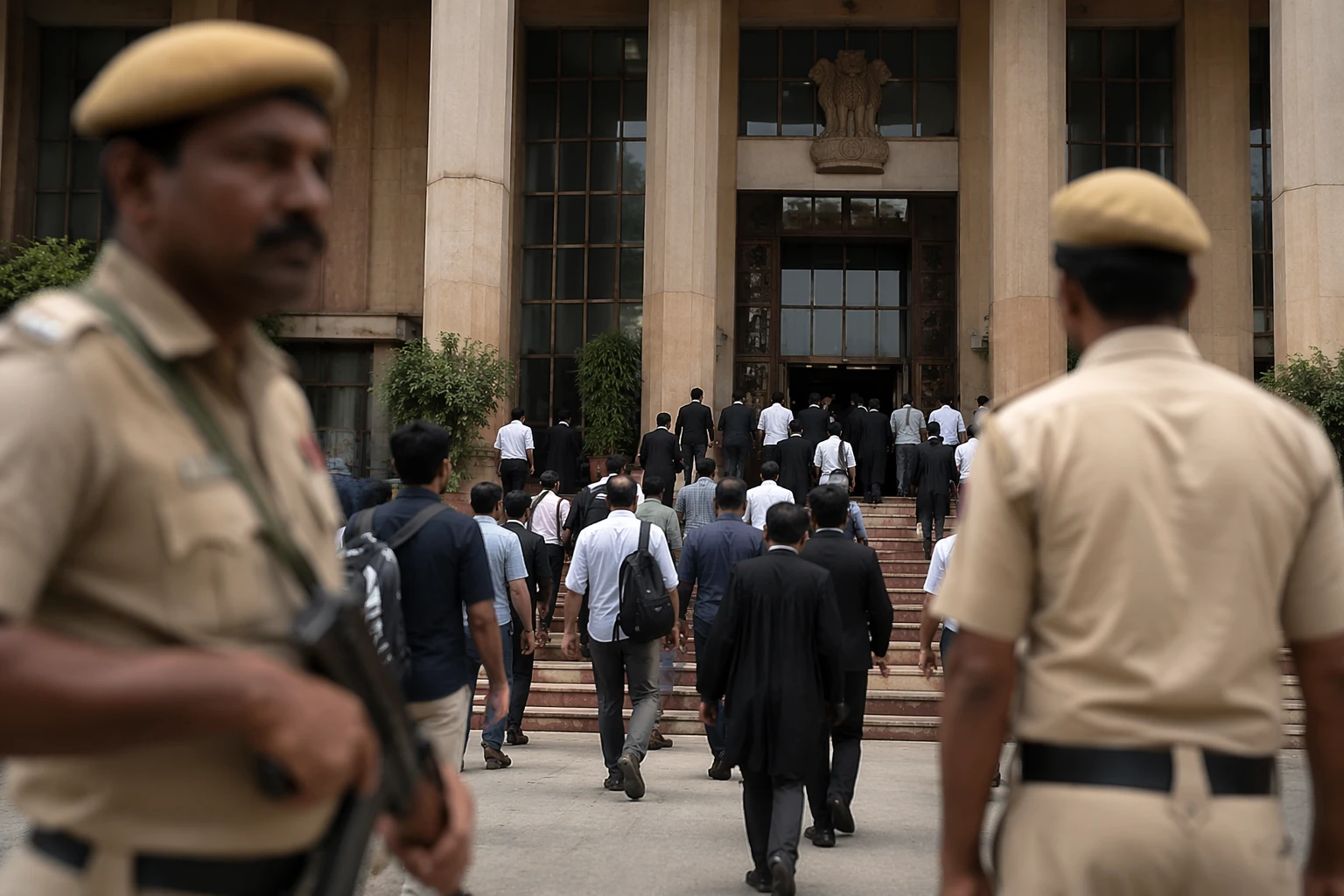
India’s National Testing Agency said Telegram had been used to sell fake papers and spread misinformation tied to the exam. Officials also argued that the app’s structure made enforcement difficult because channels could be recreated quickly and user identities could be masked through phone numbers and usernames. Court reporting said Telegram had removed more than 900 links connected to allegedly unlawful exam content, but that was not enough to persuade the judge to lift the restriction.
Justice Tejas Karia sided with the government, finding that officials were empowered to block public access to Telegram under Section 69A of the Information Technology Act. Reporting on the case said the court accepted that the government had followed the prescribed procedure and that the reasons supplied were sufficient and proportionate. Officials also said Telegram had been warned about the problem roughly two weeks before the block was imposed.

The dispute has also forced attention on a separate order requiring Telegram to disable its message-editing feature in India until June 30. Authorities said that feature was being misused to make old posts appear to prove a leak, a reminder that the fight over exam fraud is now tied to platform design itself. Pavel Durov criticized the move, saying it punished ordinary users rather than the people responsible for the leak.

The case lands at a moment when India is under intense pressure to stop exam malpractice without widening state control over digital communication. With NEET-UG already dogged by controversy and the re-test scheduled for June 21, the government’s action now stands as a clear signal that public-order concerns and exam integrity can justify a temporary platform shutdown, even for one of the country’s most widely used apps.
Sources
- [1]srnnews.com
- [2]cnbc.com
- [3]bloomberg.com
- [4]timesofindia.indiatimes.com
- [5]thehindu.com
- [6]techcrunch.com