Technology
India Expands Startup Definition and Timeline, Boosting Deep Tech Innovation
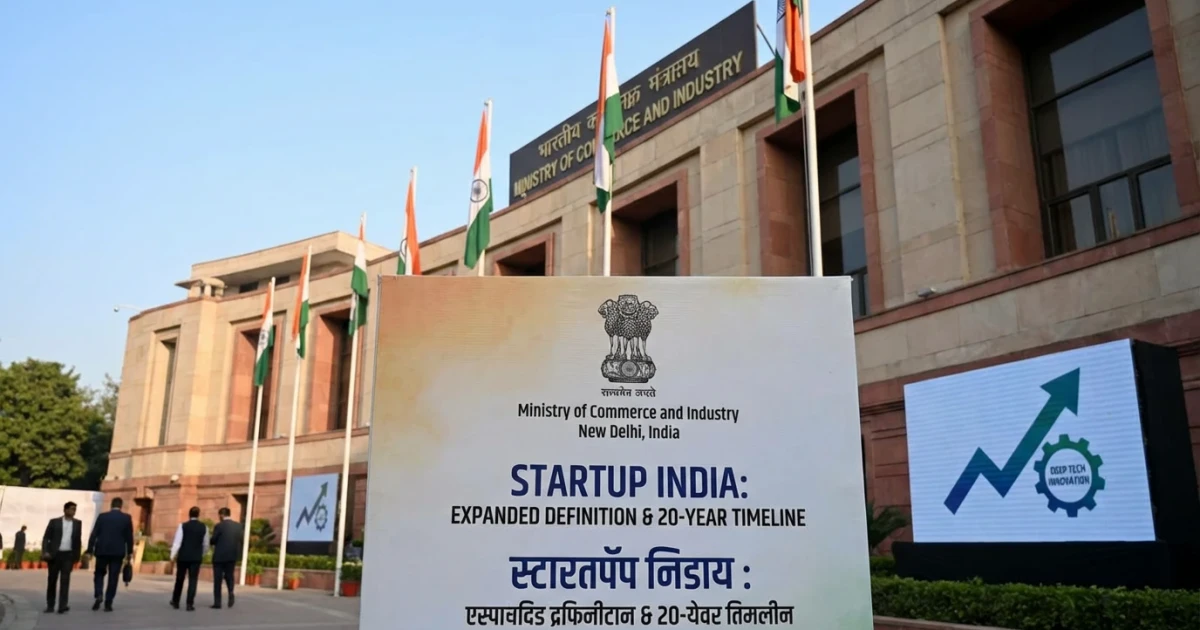
India has made significant changes to its startup policy, doubling the recognition timeline for deep tech startups to 20 years and broadening the official definition to include deep tech companies as well as cooperative societies. These moves mark a strategic evolution in India’s approach to nurturing technological innovation and entrepreneurship.
Doubling the Deep Tech Startup Timeline
In a move aimed at fostering long-term innovation, India has extended the qualifying period for deep tech startups from 10 years to 20 years. This expanded timeline recognizes the unique challenges faced by deep tech ventures, which often require extensive research, development, and time to reach market viability. The revised policy is expected to encourage more investment in advanced technologies, such as artificial intelligence, robotics, and quantum computing, paving the way for India to become a global leader in deep tech innovation.
- Previous timeline: 10 years
- New timeline for deep tech startups: 20 years
- Aim: Accommodate the longer gestation periods and capital needs of deep tech ventures
Broader Startup Definition: Inclusion of Deep Tech and Cooperative Societies
Alongside the extended timeline, the government has reset the official definition of a startup to explicitly include deep tech companies and cooperative societies. This recognition acknowledges the growing role of advanced technology in India’s economy and the importance of alternative business structures in the nation’s development. By expanding the definition, India signals its intent to support a wider range of innovators, from cutting-edge tech firms to grassroots cooperatives.
- Deep tech companies: Now formally included under the startup umbrella
- Cooperative societies: Recognized for their innovative business models and impact
Why These Changes Matter
The inclusion of deep tech startups and cooperative societies is expected to have significant implications for India’s innovation landscape:
- Increased access to government benefits: More companies can now qualify for tax breaks, funding, and regulatory support.
- Encouragement for high-risk innovation: Deep tech areas, which often take longer to commercialize, can now plan for sustained development.
- Greater inclusivity: Cooperative societies, which can drive social impact and rural development, gain a platform within the startup ecosystem.
Analysis: A Strategic Bet on the Future
By doubling the recognition period and expanding eligibility, India is sending a clear signal to entrepreneurs, investors, and the global technology community about its commitment to fostering a robust, future-ready innovation ecosystem. Policymakers appear determined to address the needs of startups working on breakthrough technologies, which often require patience, capital, and a supportive regulatory environment.
While the extended timeline and broadened definition create new opportunities, the effectiveness of these changes will depend on continued investment in supporting infrastructure, funding mechanisms, and talent development. The inclusion of cooperative societies also suggests a recognition of the diverse ways in which innovation can emerge across India’s vast economic landscape.
Looking Ahead
These policy changes position India to attract more deep tech entrepreneurs and empower a broader spectrum of innovators. As the new definitions and timelines take effect, stakeholders across the startup ecosystem will be watching closely to see how these reforms translate into real-world growth, investment, and technological breakthroughs. The next decade could see India solidifying its role as a hub for both high-tech innovation and inclusive economic development.