Science
India faces below-average July monsoon after dry June, Reuters reports
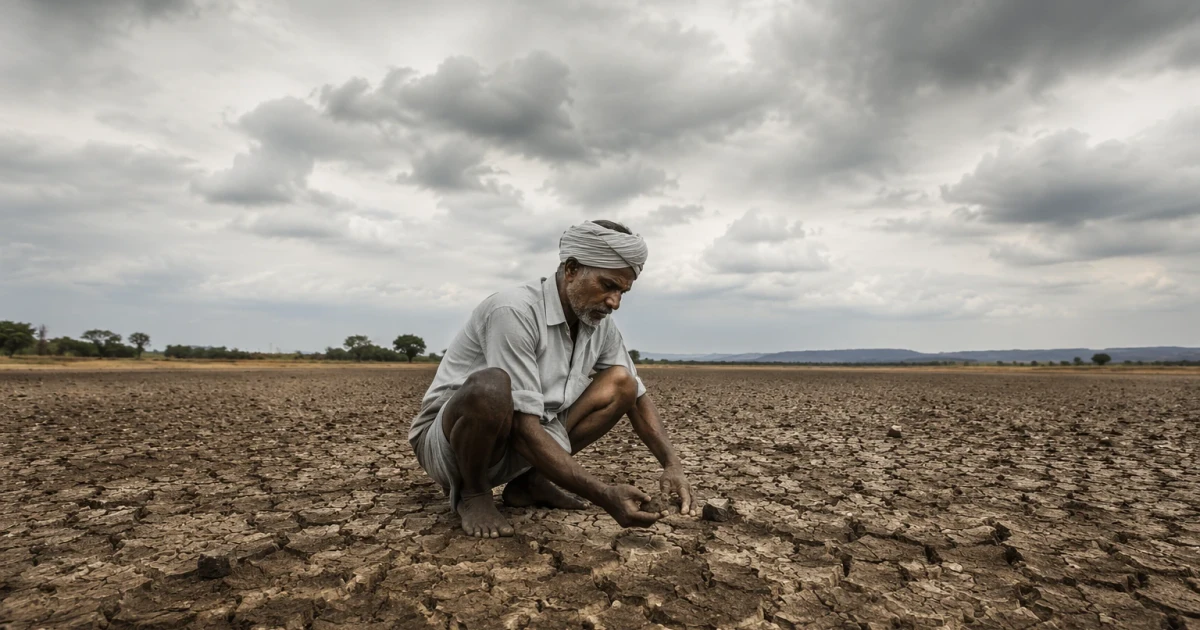
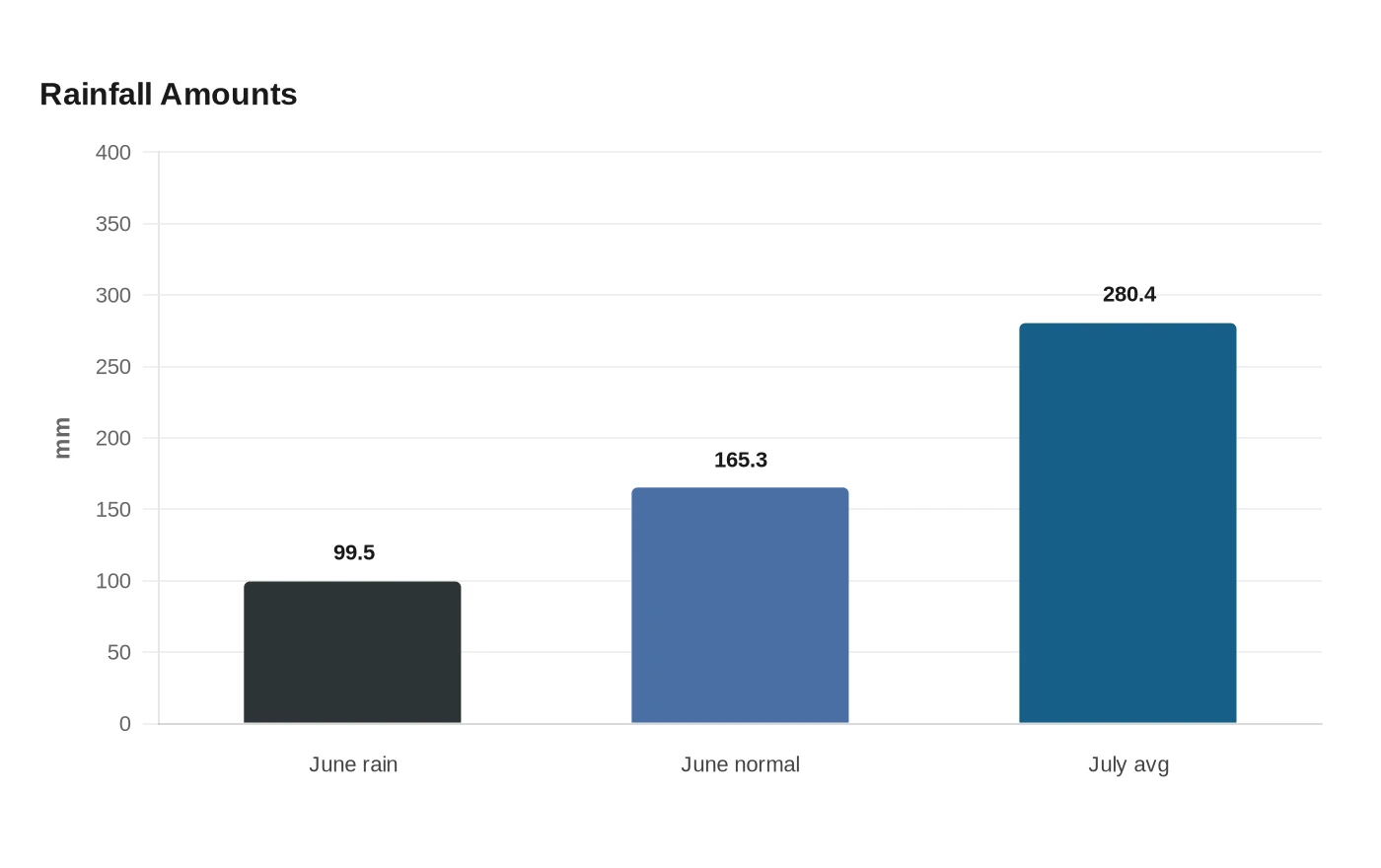
India’s weather office said July rainfall is most likely to come in below normal, with monthly precipitation expected to stay under 94% of the long-period average of about 280.4 mm. The forecast adds fresh pressure to an economy that depends on the monsoon for roughly 70% of annual rainfall and on seasonal water flows to refill reservoirs, support hydropower and sustain farm incomes.
The warning follows a punishing June. India received 99.5 mm of rain last month against a normal 165.3 mm, a deficit of 39.8%, making it the fifth-driest June since records began in 1901. The slow start has already delayed sowing of key summer crops including rice, corn, cotton and soybeans, leaving farmers behind on planting at a crucial point in the season.
The timing matters because nearly half of India’s farmland lacks irrigation and about half the population relies on farming for a living. When the monsoon arrives late or weakens, the shock is felt first in rural incomes and crop output, then in food prices and inflation. A softer monsoon can also strain hydropower generation and reservoirs, adding another layer of pressure for policymakers in a nearly $4 trillion economy.
The July outlook also fits a broader caution already built into the season. The India Meteorological Department had forecast below-normal rainfall for the June-September southwest monsoon as a whole, with seasonal rainfall likely around 92% of the long-period average. Concerns have also centered on El Nino conditions expected to strengthen in the coming months, a pattern that can suppress rainfall across the subcontinent.
For India, the next few weeks will help determine whether June was an early dry spell or the opening phase of a wider shortfall. July is normally the heart of monsoon season, and if rainfall stays weak, the strain will extend beyond fields in the countryside to food supply chains, commodity markets and the government’s room to cushion households from higher prices.
Sources
- [1]yahoo.com
- [2]mausam.imd.gov.in
- [3]cnbctv18.com
- [4]thehindu.com
- [5]finance.yahoo.com
- [6]pib.gov.in
- [7]india.mongabay.com