Business
India fiscal deficit widens to 9.6% of annual target in April-May

India’s fiscal deficit reached Rs 1.62 trillion in April-May, equal to 9.6% of the full-year target, keeping New Delhi under early pressure even as the new budget year is still in its opening stretch. The pace does not break the annual plan, but it does show how quickly front-loaded spending can test fiscal credibility when markets are watching borrowing needs, subsidy control and revenue performance.
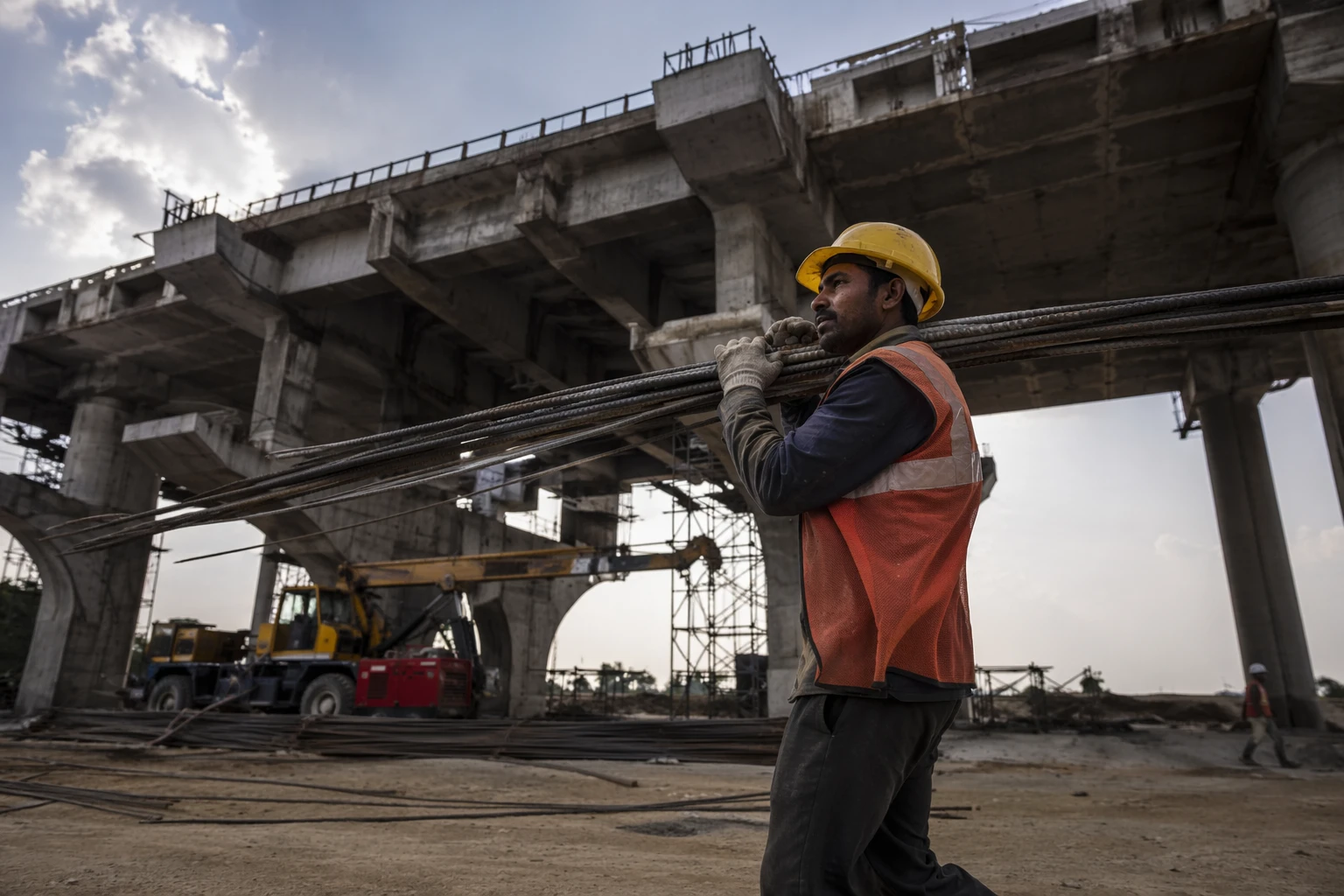
The revenue side was steady but not strong enough to offset the spending build-up. Net tax receipts were Rs 3.5 trillion, unchanged from a year earlier, while non-tax revenue slipped to Rs 3.5 trillion from Rs 3.6 trillion. Total expenditure rose to Rs 8.8 trillion from Rs 7.5 trillion, and capital expenditure increased to Rs 2.5 trillion from Rs 2.2 trillion, underscoring that infrastructure outlays remain protected even as the deficit widens.
Finance Minister Nirmala Sitharaman’s Union Budget for 2026-27 set the fiscal deficit target at 4.3% of GDP, or Rs 16.96 trillion, alongside expenditure of Rs 53.47 trillion and receipts other than borrowings of Rs 36.52 trillion. The budget also mapped out revenue deficit of 1.5% of GDP and outstanding liabilities of 55.6% of GDP, with a medium-term aim of reducing debt to around 50% of GDP by March 2031.
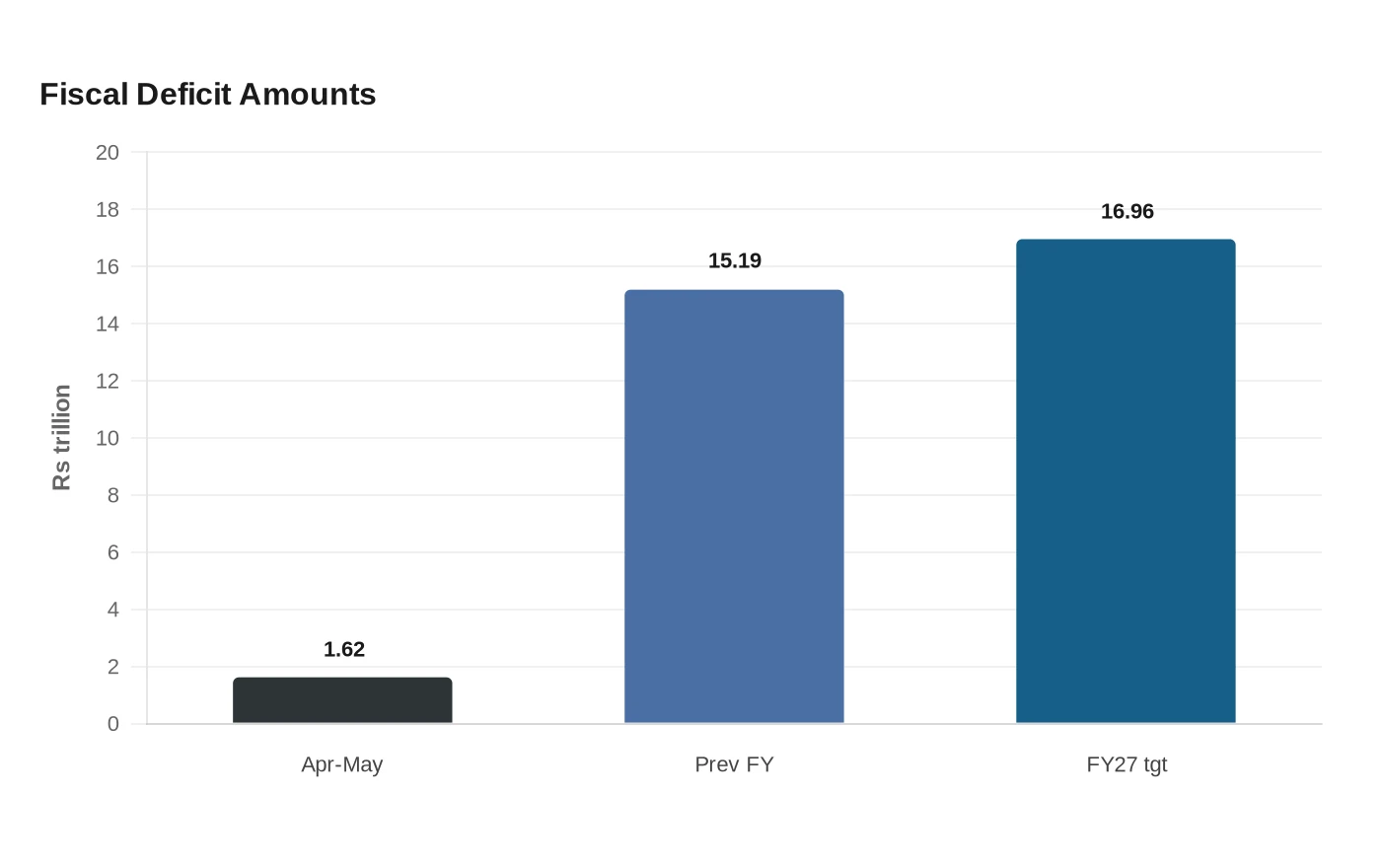
The latest print comes after the previous fiscal year closed at 4.4% of GDP, or Rs 15.19 trillion, in line with revised estimates. That backdrop matters for bond markets because economists had already been pricing a debt-focused consolidation path that could leave the fiscal deficit around 4.3% to 4.4%, while gross borrowings were expected to rise on the back of large maturities even if net borrowings stayed broadly stable. The April-May figure is therefore less a red flag than an early stress test: if revenue growth falters or spending discipline slips later in the year, the margin to stay on target could narrow quickly.