Business
India fuel retailers hit borrowing limits as losses surge
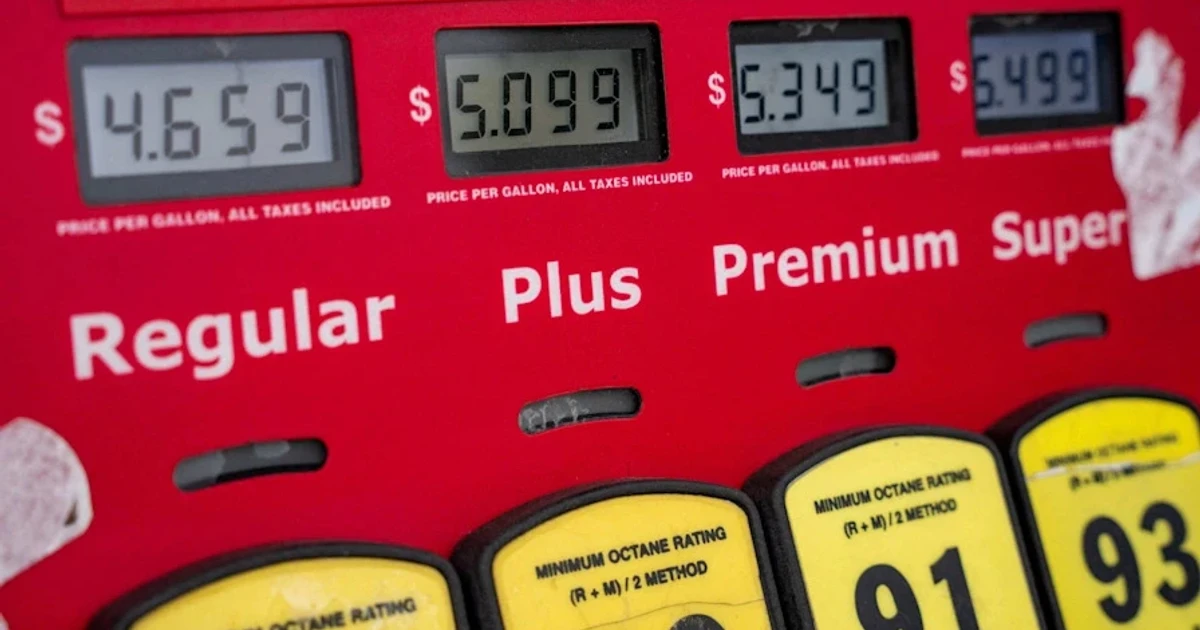
India’s state fuel retailers are running up against borrowing limits as they keep selling gasoline, diesel and liquefied petroleum gas below market rates, turning cheap fuel into a growing fiscal liability. Oil secretary Neeraj Mittal said first-quarter revenue losses at the state-owned companies had climbed to 1 trillion rupees, or $10.60 billion, as Indian Oil Corp, Bharat Petroleum Corp and Hindustan Petroleum Corp absorbed the gap between regulated pump prices and higher market costs.
The strain has intensified after the Iran war pushed crude prices higher, forcing governments from Asia to Europe to rethink retail fuel subsidies. Mittal said many countries had raised retail gasoline and gasoil prices by about 40% to 50%, while India had lifted those prices by less than 10%. That decision has shielded consumers from a fresh inflation shock, but it has also pushed the burden onto the balance sheets of the state retailers, which must borrow more to keep fuel flowing at controlled prices.
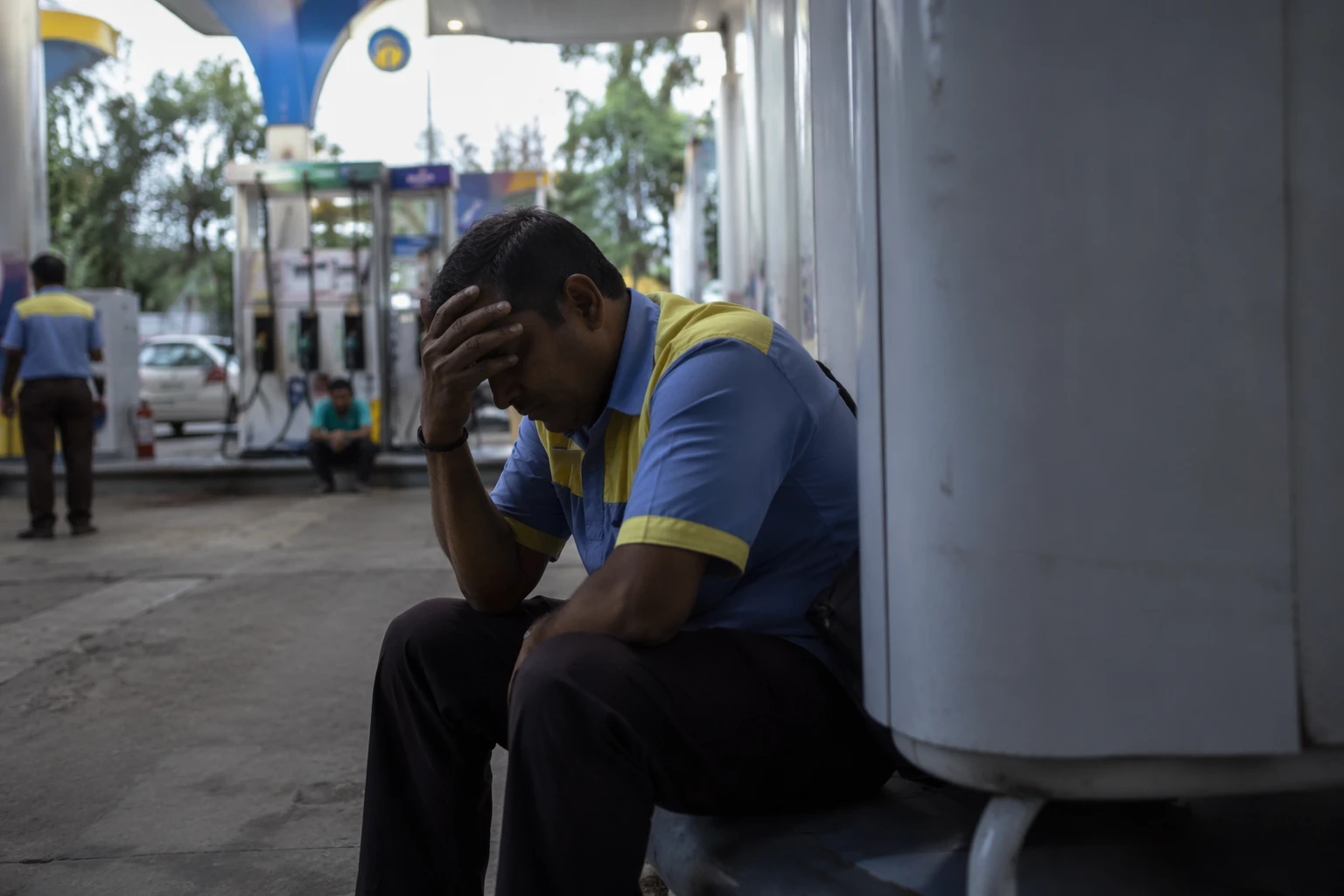
The pressure is not confined to one product line. Reuters reported on April 23 that the oil ministry said the retailers were losing about 20 rupees per litre on petrol and about 100 rupees per litre on diesel, while industry estimates in May put combined under-recoveries on petrol, diesel and LPG at roughly 1,600 crore to 1,700 crore rupees a day. Some estimates suggested the total losses could cross 1 lakh crore rupees in about 10 weeks if crude stayed elevated and retail prices remained frozen.
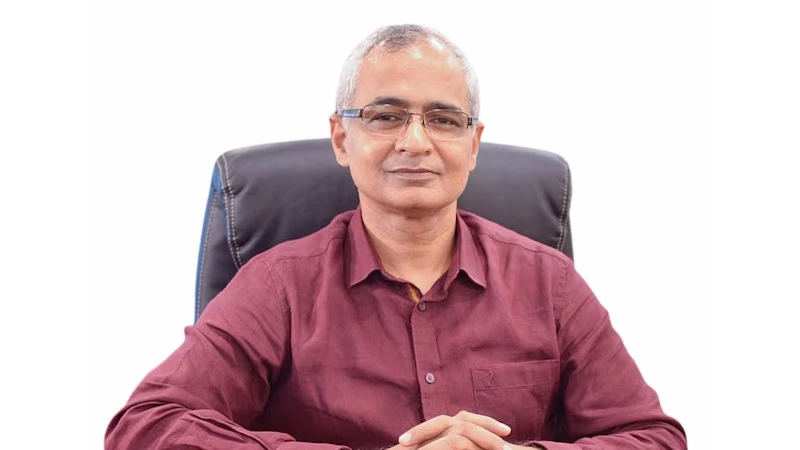
That freeze has now lasted since April 2022, underscoring how long the government has been choosing price stability over cost recovery. On May 12, oil minister Hardeep Singh Puri said India would need to assess how long state-run fuel retailers could continue absorbing losses from selling transport fuels below market prices, a sign that direct compensation is becoming harder to justify fiscally.
The cash squeeze has already shown up in operations. In March, state-owned fuel retailers began seeking advance payments from dealers for gasoline and gasoil deliveries, a move that signaled tighter working capital at the pump. For New Delhi, the choice is increasingly stark: keep cushioning households and businesses from fuel inflation now, or confront the larger public and financial-system costs that build up when the country’s biggest fuel sellers are forced to borrow to subsidize every litre.