Business
India holds out on U.S. trade deal, seeking better terms
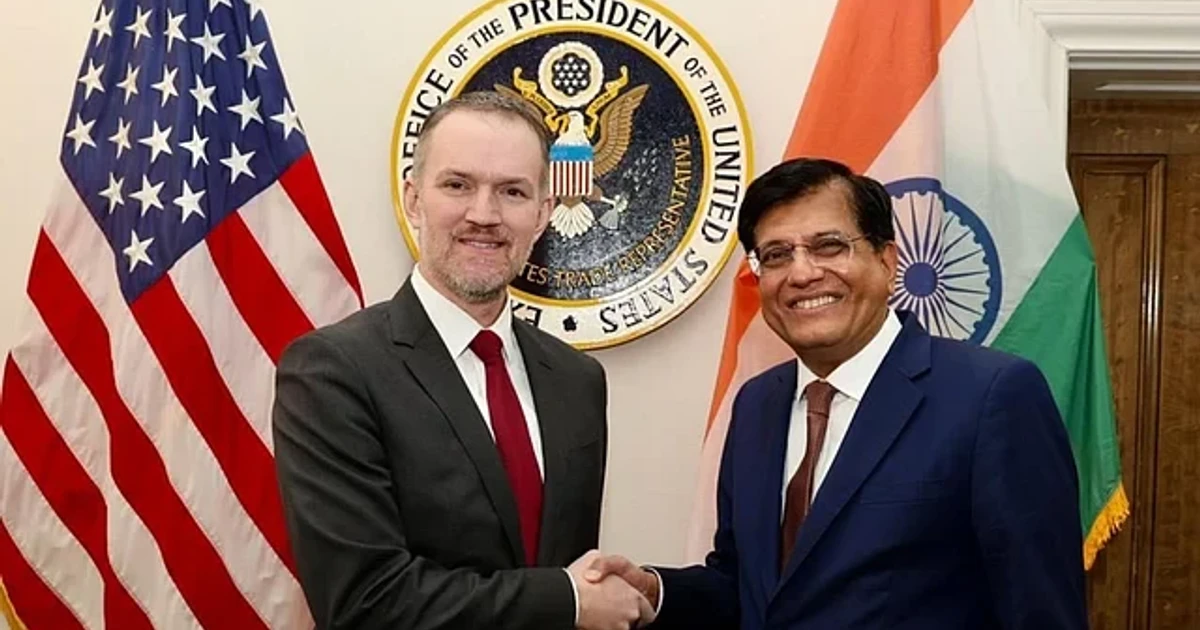
India held back from signing an interim trade deal with Washington after U.S. Trade Representative Jamieson Greer’s June 22-24 visit to New Delhi failed to close the gap on tariffs, agriculture and the risk of new levies. The standoff shows Narendra Modi’s government believes it can wait for better terms rather than accept a hurried agreement.
New Delhi wants more than a symbolic deal. Indian officials have pressed for a tariff advantage over competitors such as China and for assurances that Washington will not add fresh duties after any agreement is signed. A government official put that position bluntly: "Our position is clear - we don't intend to rush into a deal that is not on favourable terms or compromise on red lines like ceding ground on agriculture."
That demand has become central to the negotiations. Piyush Goyal, India’s commerce and industry minister, said India would not sign or implement any deal until it secures a comparative tariff advantage for Indian exporters. Indian officials have also said agriculture and dairy remain protected red lines, a stance that reflects the political sensitivity of opening the farm market to greater U.S. access. Farm groups in India have warned against that shift.
The talks are not starting from zero. The United States and India announced a framework for an interim agreement on reciprocal and mutually beneficial trade on February 6-7, 2026, and that framework reaffirmed the broader bilateral trade agreement process launched by Donald Trump and Modi in 2025. Greer’s trip was meant to advance the historic joint statement and finalize an interim deal, and Indian statements said he and Goyal held multiple rounds of discussions on both the interim pact and the broader BTA.

The immediate pressure is rising because the U.S. temporary 10% tariff regime is due to expire on July 24, 2026. The bulk of Indian goods currently face that 10% rate, but Indian officials have warned that the exposure could worsen if Washington proceeds with steeper tariffs later in July through probes into excess industrial capacity and forced labor concerns. For Indian exporters, that makes delay costly. For Washington, it means a strategic partner that still wants a deal no longer looks desperate for one.

A U.S. official still expects an agreement eventually, but has given no timetable. That leaves the next move with a narrower U.S. margin for pressure and a New Delhi more willing to treat market access as leverage rather than a concession.
Sources
- [1]sg.finance.yahoo.com
- [2]whitehouse.gov
- [3]ustr.gov
- [4]pib.gov.in
- [5]commerce.gov.in
- [6]usnews.com
- [7]thehindubusinessline.com