World
India hydropower tunnel collapse death toll rises to 25
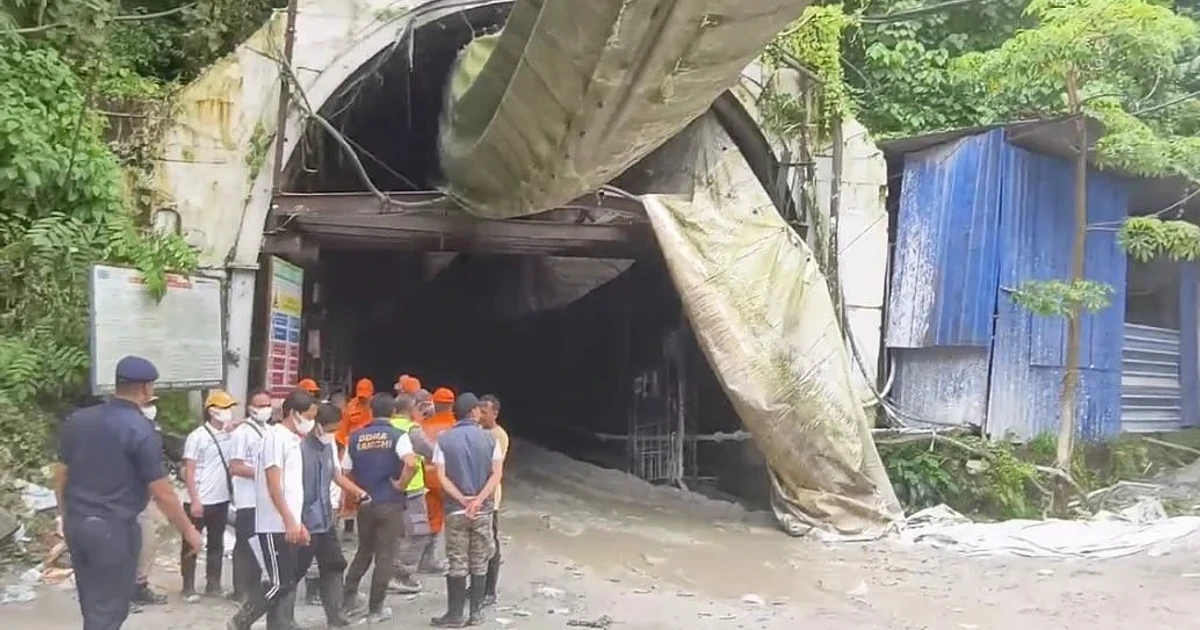
Authorities recovered the bodies of 13 workers trapped in a collapsed hydropower tunnel in Sikkim, lifting the death toll to 25 and bringing a four-day rescue operation to an end. The underground disaster at NHPC Limited’s Teesta Stage VI Hydroelectric Project has sharpened scrutiny of safety oversight in one of India’s toughest construction environments.
The tunnel gave way on July 20 in Samardung village, about 40 kilometers from Gangtok, after what rescuers and local reports described as a suspected methane build-up or gas explosion inside the under-construction passage. The site sits in India’s northeastern Himalayas, where hydropower projects are carved into steep, unstable terrain and workers face hazards that go far beyond ordinary construction risk.
Rescue teams from the National Disaster Response Force, the State Disaster Response Force and Sikkim Police spent days trying to reach those trapped inside as flooding and toxic gas complicated the operation. By the time the final bodies were brought out on Thursday, officials had concluded that no survivors remained. The four-day effort, which initially offered a narrow chance of rescue, ended as a recovery mission.
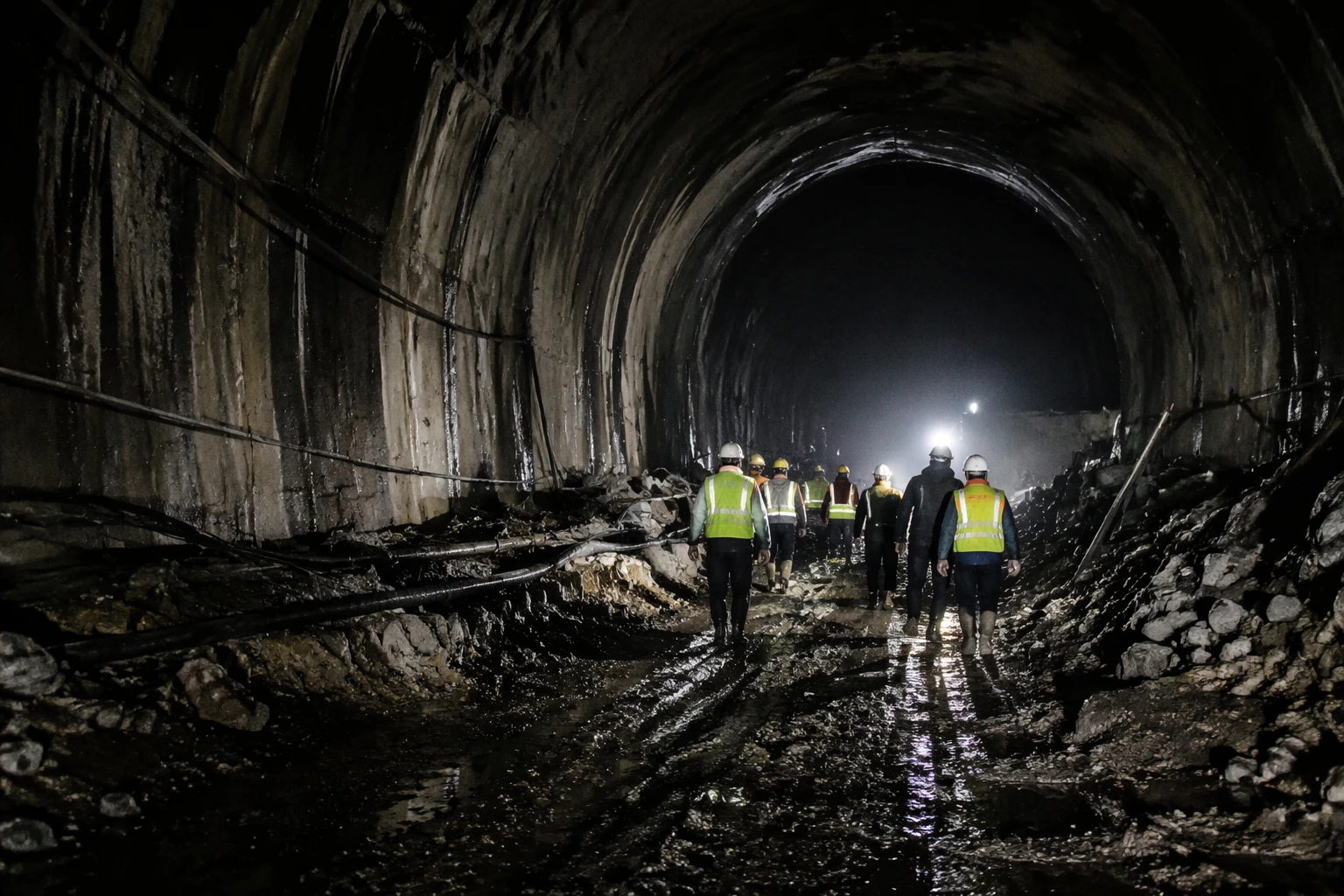
The scale of the loss changed quickly. Early counts put the number of dead at 10 or 11, with more than a dozen workers missing. By Wednesday, the toll had risen to 20 as rescuers battled dense fumes and water inside the tunnel. On Thursday, the number climbed again to 22 before the last 13 bodies were recovered and the total reached 25.
The disaster now pushes the focus from emergency response to accountability. Hydropower projects in mountainous states like Sikkim depend on deep tunneling, blast excavation and round-the-clock work in fragile rock. That makes ventilation, gas detection, evacuation planning and contractor supervision critical. The conditions at Samardung suggest that any failure in those systems can turn a project meant to expand electricity supply into a mass-casualty event.
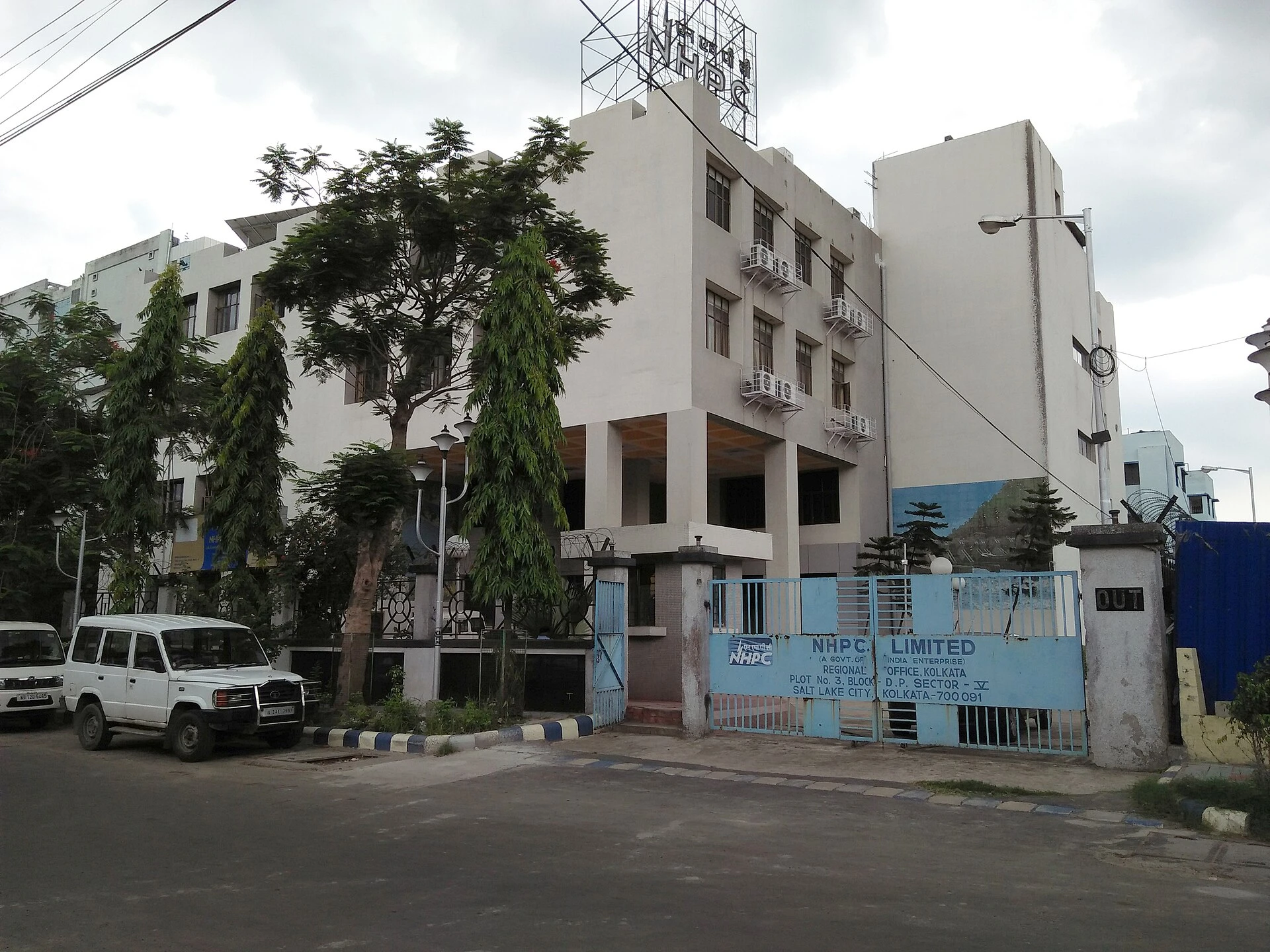
Questions are likely to center on whether the tunnel’s safety protocols were adequate, whether workers were exposed to preventable gas hazards, and whether pressure to deliver major infrastructure in difficult terrain outpaced the safeguards meant to protect the crews underground. India has seen this pattern before: in 2023, 41 workers were trapped in a tunnel collapse in Uttarakhand’s Uttarkashi district and were rescued after 17 days, a rare outcome in a sector where the margin for error is thin.
Sources
- [1]apnews.com
- [2]washingtonpost.com
- [3]aljazeera.com
- [4]reuters.com
- [5]mid-day.com
- [6]thenewsmill.com
- [7]indiatoday.in
- [8]theweek.in
- [9]ndtv.com
- [10]bbc.com
- [11]youtube.com
- [12]wowktv.com