Politics
India moves to shut Delhi Gymkhana Club, citing public purpose claims
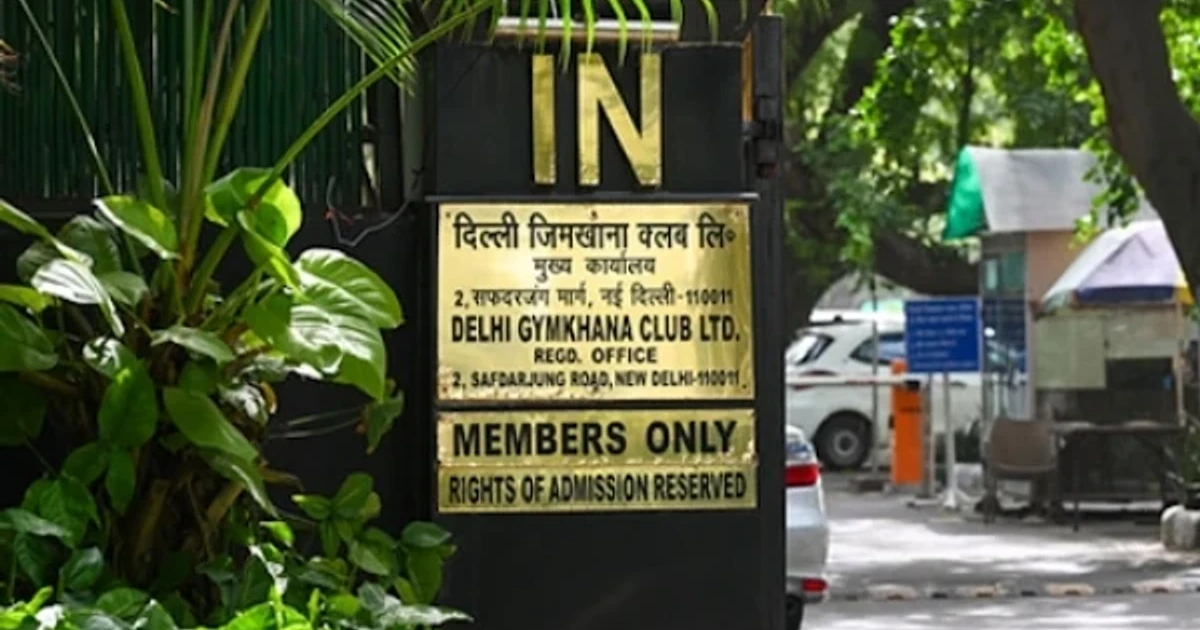
India’s government has moved to eject Delhi Gymkhana Club from one of the most prized addresses in New Delhi, turning a century-old private institution into a test case over colonial legacy, public land and access to power. The club, which sits near Lok Kalyan Marg beside the prime minister’s residence, has been told to hand over possession and vacate its Safdarjung Road property.
The Land and Development Office, under the Ministry of Housing and Urban Affairs, issued the notice on May 22, 2026, ordering the club out by June 5. Officials said the 27.3-acre site was needed for a public purpose, including defence infrastructure, governance facilities and broader public-security needs in a highly sensitive zone. For supporters of the move, the club occupies subsidised public land in a strategic area and no longer belongs on a landscape now shaped by state security and administrative demands.
Delhi Gymkhana Club was founded on July 3, 1913, as the Imperial Delhi Gymkhana Club, after Delhi replaced Kolkata as India’s capital. It moved to its present Safdarjung Road location in 1928 on a perpetual lease, and after Independence in 1947 it dropped “Imperial” from its name. The club’s own history places Spencer Harcourt Butler as its first president, underscoring how deeply its origins are tied to the late colonial order that the government now says it wants to move beyond.
The club’s exclusivity has only sharpened the dispute. Reuters reported that membership waitlists stretch beyond 30 years, while The Hindu reported one-time membership fees of about 5.5 lakh for government employees and 22 lakh for non-government employees, plus a 7.5 lakh waitlist fee. The club has long counted politicians, business leaders, diplomats, military officers, senior civil servants, celebrities and other influential families among its members, and it enforces rules that include a dress code barring round-neck T-shirts.
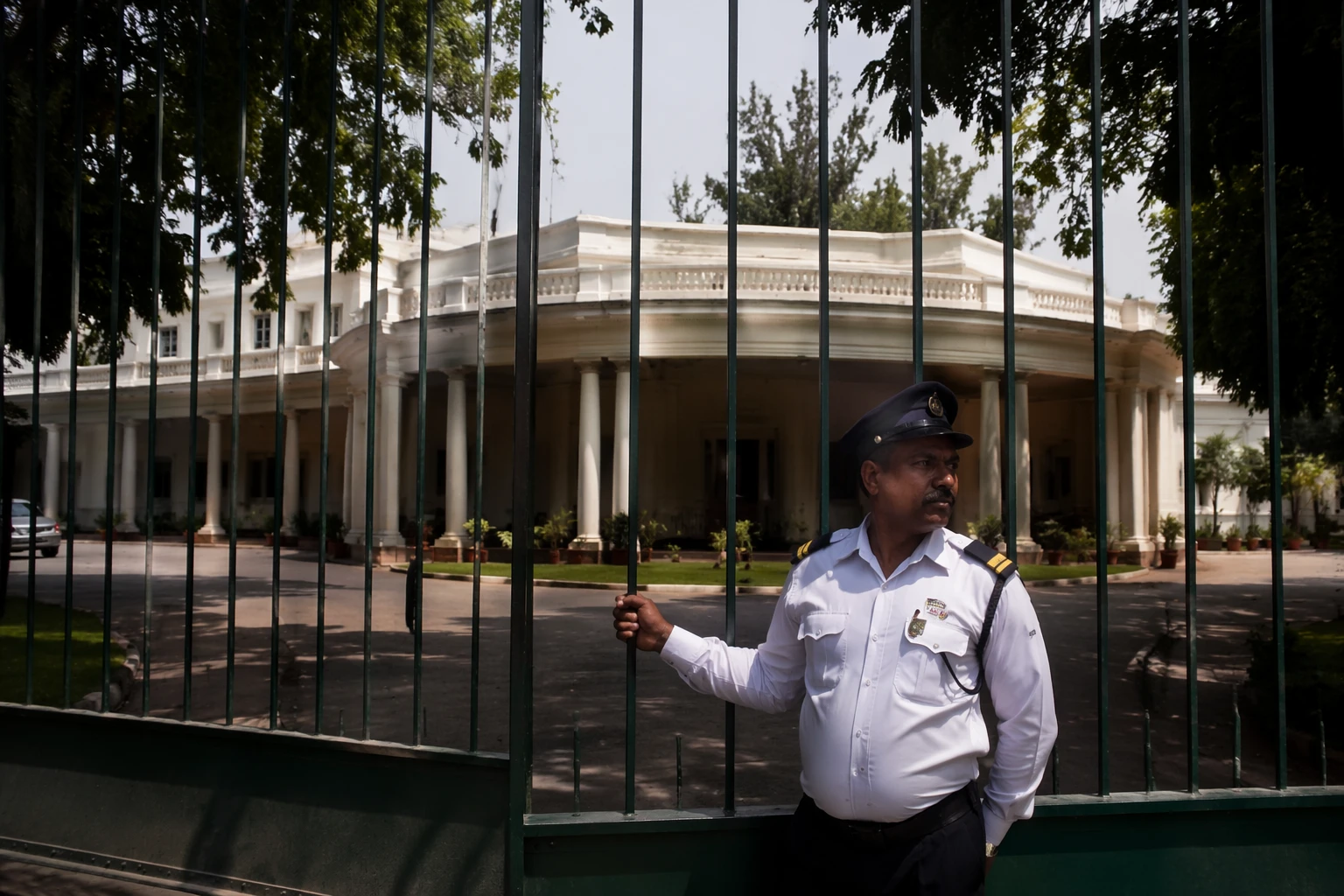
Members and employees have pushed back hard. A more than 900-page lawsuit was filed to stop the eviction, and the Delhi High Court has sought the Centre’s response to the plea. Permanent members and about 600 employees are preparing separate legal challenges, with members retaining senior advocate and Congress MP Abhishek Manu Singhvi. The club’s general committee has also sought clarity on whether an alternative plot will be offered and how employees’ livelihoods will be protected.
The fight did not begin with the eviction notice. In 2021, the National Company Law Appellate Tribunal ordered the Central Government to replace the club’s elected management and appointed a 15-member committee. A new committee was formed in 2022, placing the club under closer government scrutiny before the latest order. That sequence has made the dispute larger than one lease: it has become a contest over whether Delhi’s elite institutions will be remade as public assets or defended as protected enclaves in Lutyens’ Delhi.