World
India prepares Everest recovery mission for Green Boots climber identified as Dorje Morup
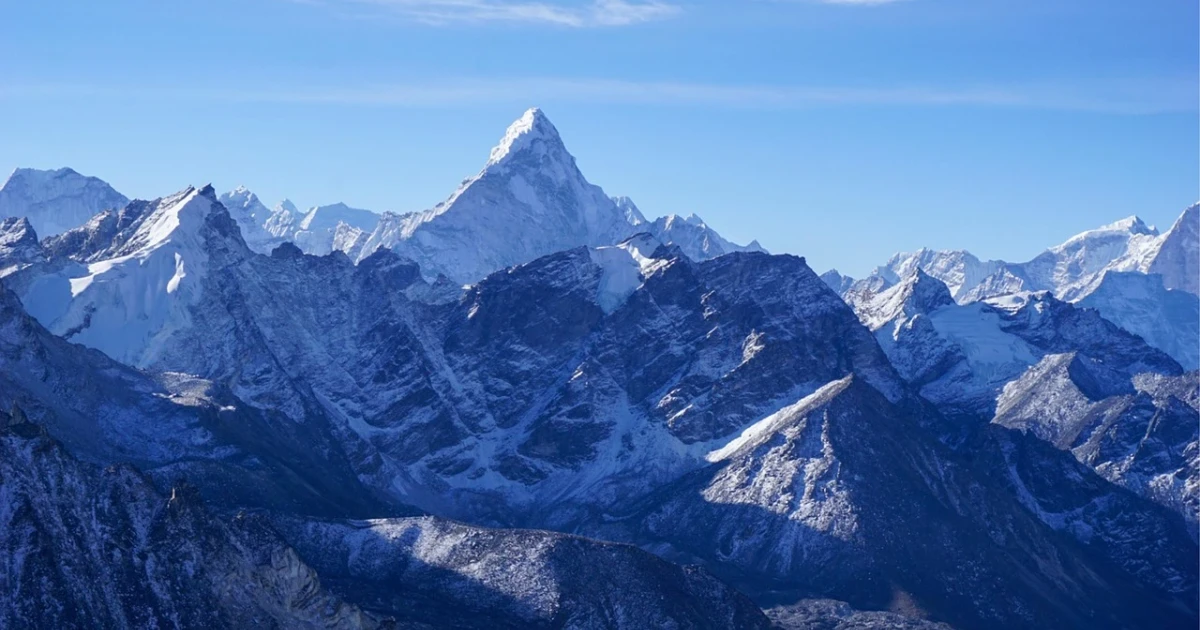
India prepared a high-risk mission to recover the body long known on Everest as Green Boots, the climber in lime-green Koflach boots who lay at about 8,500 metres, or 27,900 feet, on the mountain’s North Side for nearly 30 years. The man was identified as Lance Naik Dorje Morup, an Indian soldier who died in the 1996 Everest disaster after his Indo-Tibetan Border Police expedition was caught in a deadly blizzard.
For generations of climbers on the Northeast Ridge route, the body in a limestone cave became one of Everest’s most recognizable and grim landmarks. Green Boots was never just a nickname for a patch of color in the ice. It became part of the route’s geography, a fixed point in a place where every step is already a calculation between altitude, weather and survival.
The identification also closed a long argument over who lay there. For years, the body was linked to either Dorje Morup or another 1996 victim, Tsewang Paljor. DNA testing and later identification settled the question on Morup, turning a mountain landmark back into a named man, an Indian soldier whose family had lived with the uncertainty for decades.
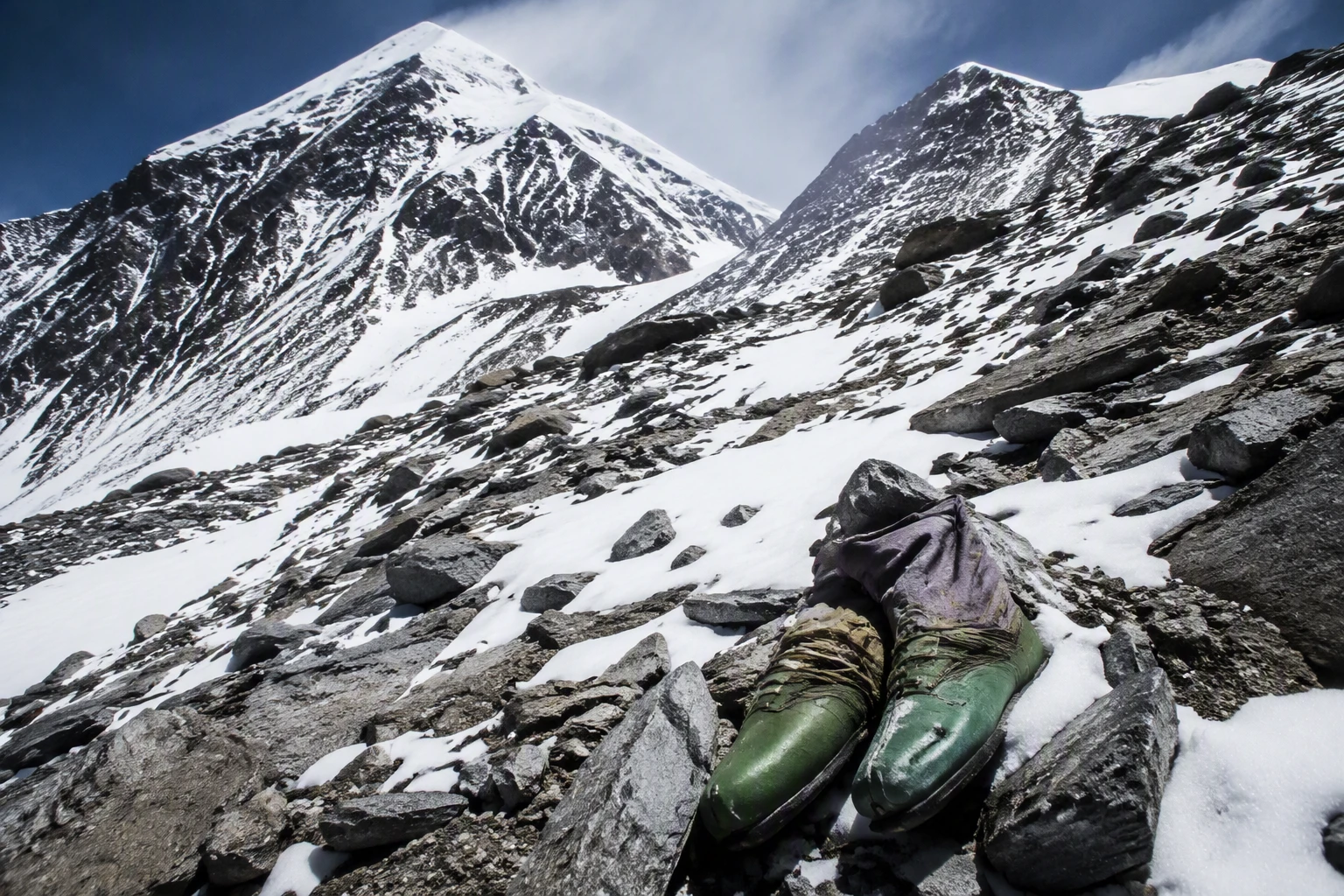
India’s recovery plan shifted the story again, this time from recognition to responsibility. The Indo-Tibetan Border Police sought experienced high-altitude teams for the retrieval, a sign of how difficult and dangerous it remains to bring bodies down from Everest. At that altitude, recovery is not a routine mountain task but a severe logistical operation, complicated by thin air, shifting ice and the constant risk to rescuers.
The broader ethical question has shadowed Everest for years. Many dead remain where they fell because the mountain makes retrieval so expensive and so hazardous that leaving them behind has become normalized. Green Boots became the most famous example of that bargain, a body treated as a route marker because the climb was harder than the recovery.
Repatriating Morup would not change the mountain’s toll, but it would change what the mountain’s most famous dead body means. Instead of a landmark that guided climbers past loss, he would be brought home as Dorje Morup, a soldier whose name had been hidden in plain sight on Everest for almost three decades.
Sources
- [1]bbc.co.uk
- [2]youtube.com
- [3]outsideonline.com
- [4]explorersweb.com
- [5]indianexpress.com
- [6]theguardian.com
- [7]the-independent.com
- [8]en.wikipedia.org