World
India prepares perilous Everest recovery of Green Boots remains
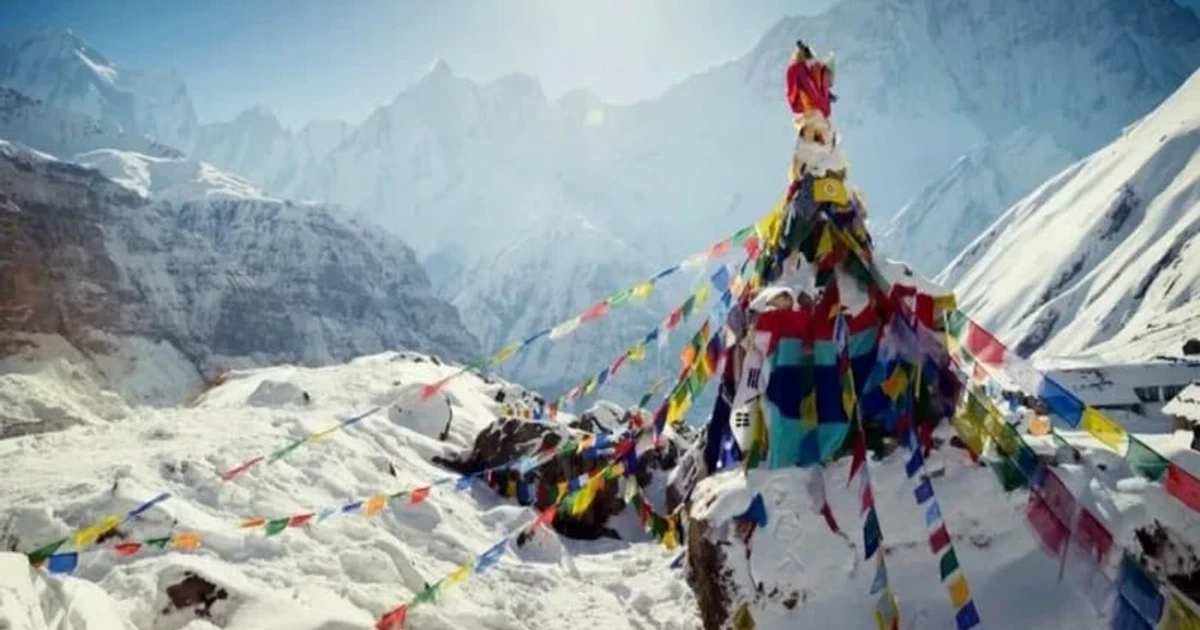
Green Boots became one of Everest’s darkest landmarks because the body was left in plain view, a fixed point on a route where ambition, commerce and mortality meet at 8,500 metres. Now India is preparing to bring the remains down from the mountain’s north side, a recovery that will test both the limits of high-altitude rescue and the politics of who is responsible for the dead.
The Indo-Tibetan Border Police has issued a tender for a specialist high-altitude recovery agency, and reporting says the operation is planned for between June and September 2026. At least six highly experienced Sherpas may be deployed, with the mission requiring coordination with Chinese authorities and legal repatriation steps after the body is removed from Everest’s death zone.
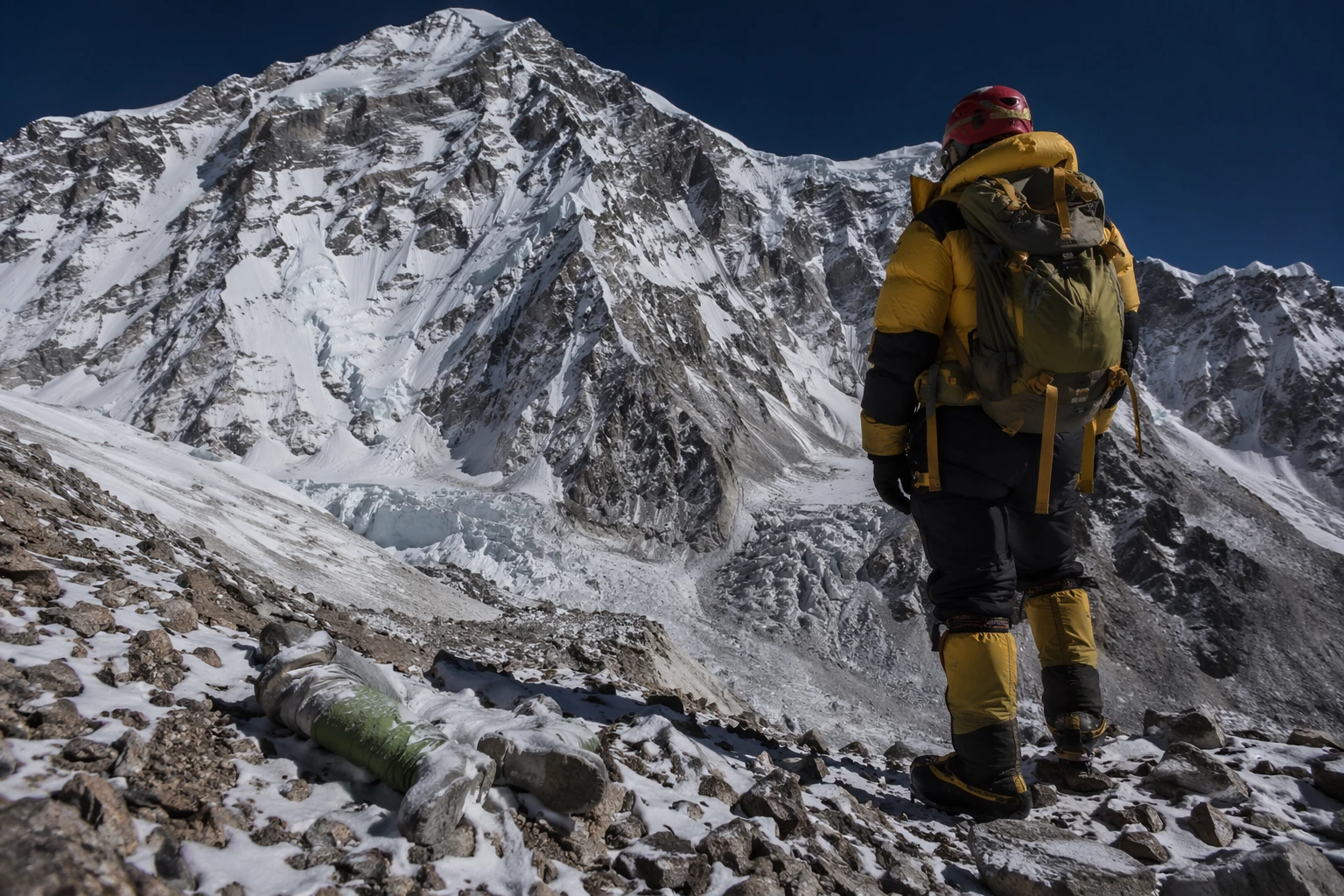
The remains have lain in a cave since May 1996, named Green Boots for the climber’s distinctive lime-green boots. The ITBP says DNA testing and a verification process completed in 2024 identified the body as Dorje Morup, an ITBP climber. Many in the mountaineering world have long believed the body was Tsewang Paljor, and the dispute has endured for decades even though Morup, Paljor and Tsewang Samanla were all members of the six-person ITBP expedition caught in the 1996 storm.
That expedition was the first Indian team of the season on Everest’s North Face. The climbers fixed ropes and broke trail for later parties, work that placed them in one of the mountain’s most dangerous corridors, including the Second Step. The fate of that team still shadows every discussion of Everest, where more than 300 people have died since expeditions began in the 1920s.
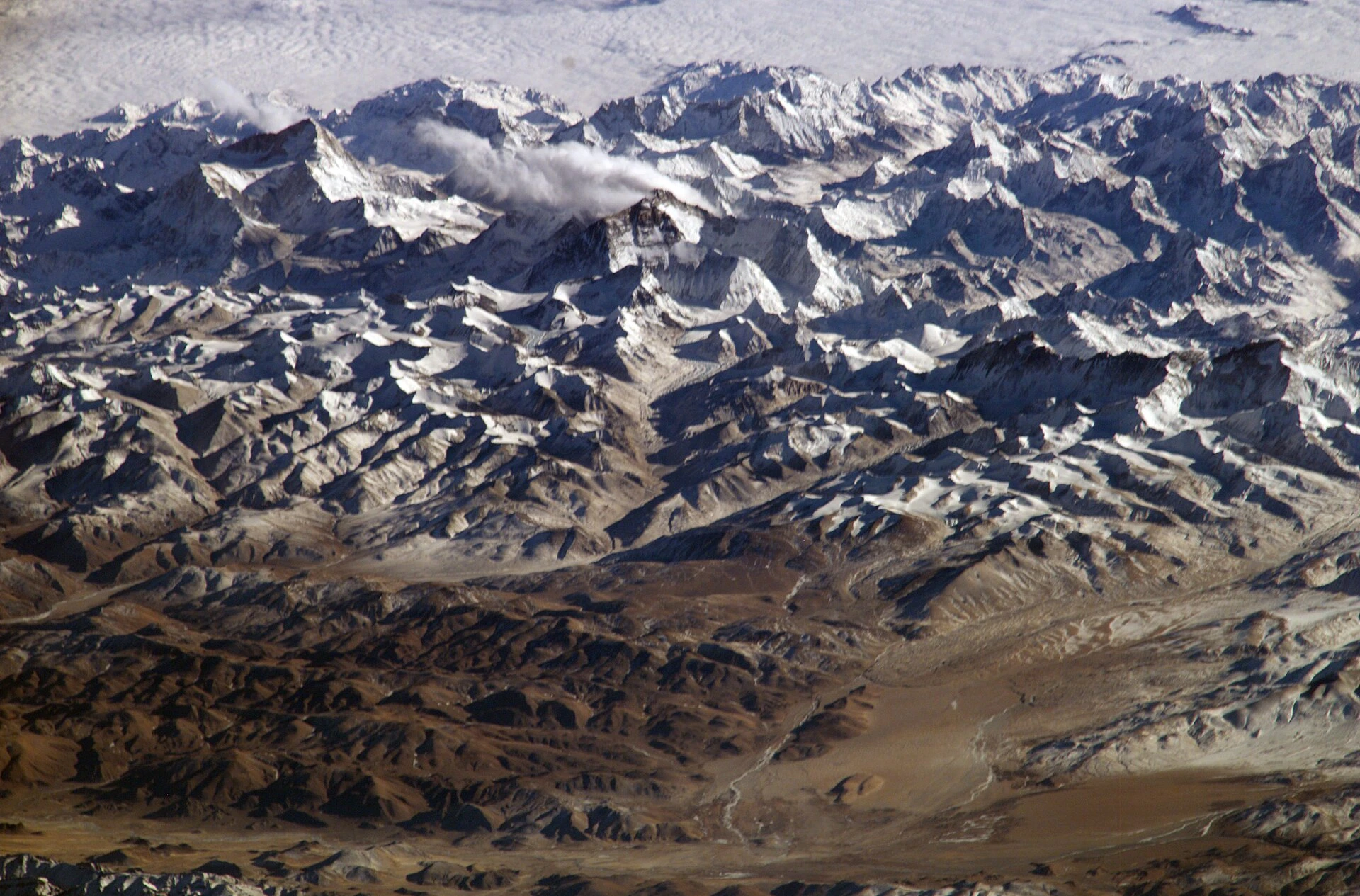
Recovering a body from above 8,000 metres is so dangerous because the thin air makes even short exertion punishing and the margin for error vanishingly small. George Mallory’s body was not found until 1999, 75 years after he disappeared in 1924, while Andrew Irvine’s body and camera have never been recovered. The Green Boots mission now enters that same lineage of hazardous retrievals, shaped not only by weather and altitude but also by the growing visibility of remains as climate change thins snow and ice on Everest.
Sources
- [1]cbsnews.com
- [2]thepeninsulaqatar.com
- [3]ndtv.com
- [4]uk.news.yahoo.com
- [5]en.wikipedia.org
- [6]reuters.com