Business
India regulator accuses Tata iPhone parts plant of polluting groundwater
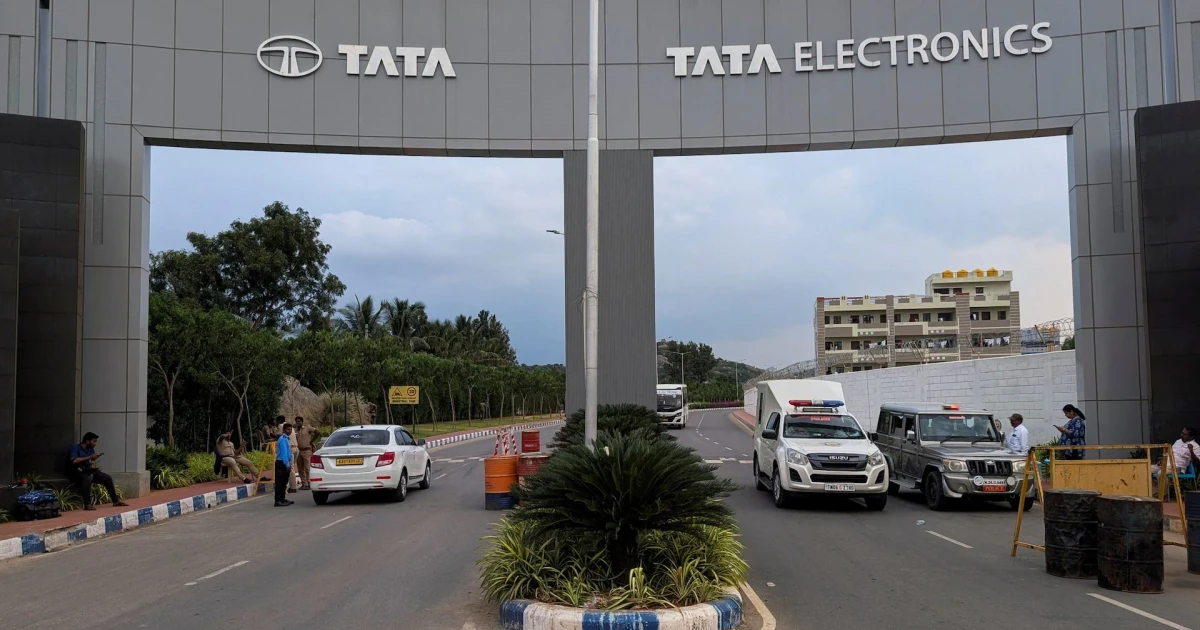
India’s pollution regulator has accused Tata Electronics of turning an Apple supply-chain success story into a groundwater dispute in Hosur, where farmers say wastewater from the iPhone parts plant has damaged land and open wells. The Tamil Nadu Pollution Control Board warned the factory could face closure and a stoppage of power supply unless Tata gives a satisfactory explanation.
The notice, dated May 25, 2026, followed five state inspections between December 2025 and May 2026 after complaints from farmers around the site. The plant sits in Hosur in Tamil Nadu, part of a southern industrial corridor that has become central to Apple’s manufacturing shift in India. Local residents said wastewater from the facility had contaminated nearby agricultural land and wells they use for irrigation and daily needs, making the case about more than one factory’s discharge.
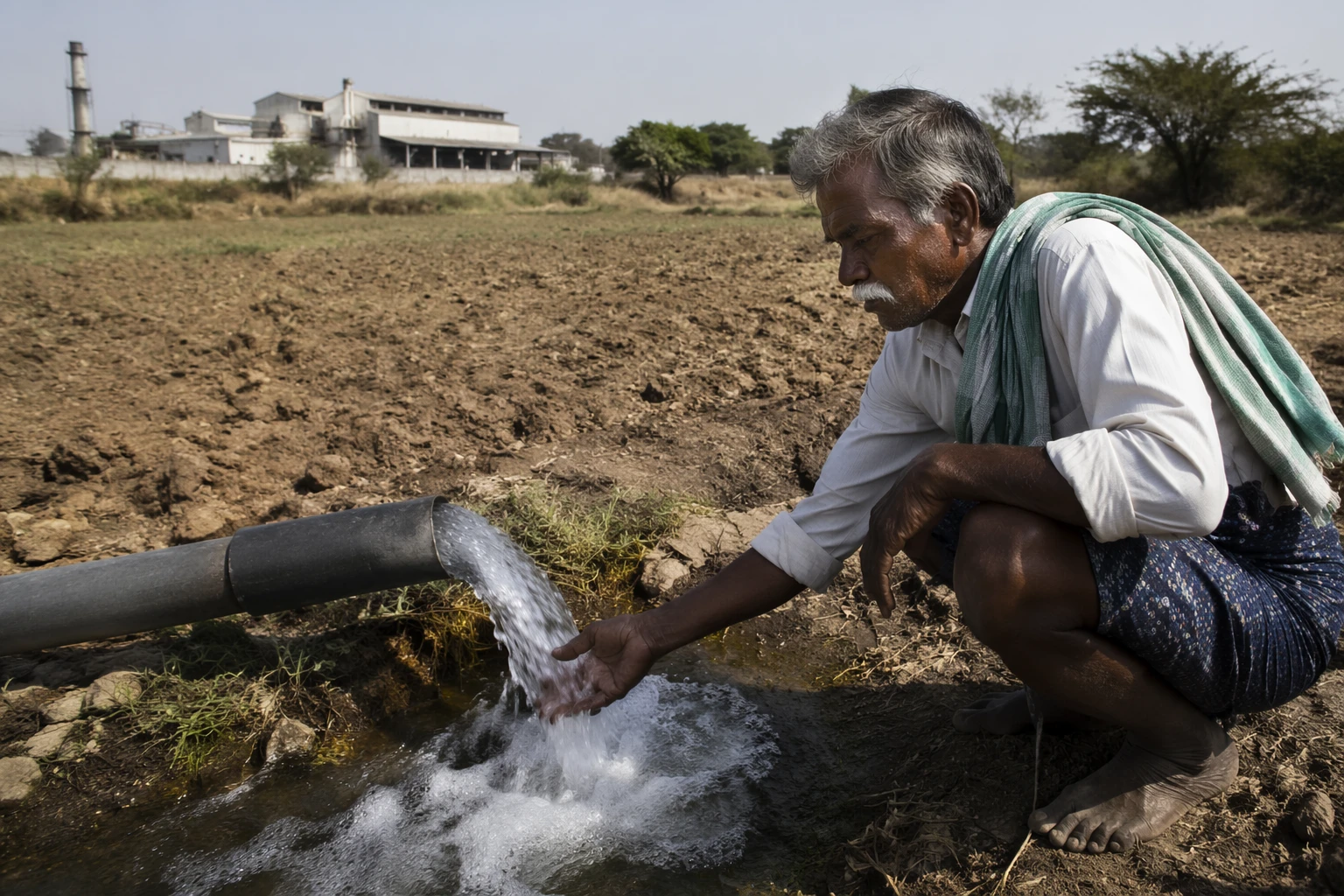
Tata Electronics said it was in full compliance and that independent testing found its unit compliant with regulations. But the regulator’s warning sharpened the stakes for a site already tied closely to Apple’s production plans. Tata is Apple’s second-biggest supplier in South Asia after Foxconn, and the Hosur operation has become one of the most visible symbols of Apple’s push to widen its supply chain beyond China. By May 2025, the plant was assembling iPhone 16 and iPhone 16e models, showing how quickly the facility moved from parts manufacturing into final assembly.
The economic implications extend well beyond a local environmental complaint. Apple has spent years trying to reduce its exposure to China, and India has become central to that strategy as New Delhi courts high-value manufacturing jobs. Any forced halt at Hosur, even a temporary one, could ripple through production schedules, supplier relationships and broader investment plans in southern India. Plans for a new Hosur iPhone plant called for about 50,000 workers, mostly women, and investment of about 60 billion, underlining how much local employment hopes now depend on the site. The dispute has therefore become a test of whether diversification is lowering risk for Apple or simply moving pollution pressure to another part of the map.