Business
India seeks trade deal with U.S. only after tariff dispute ends
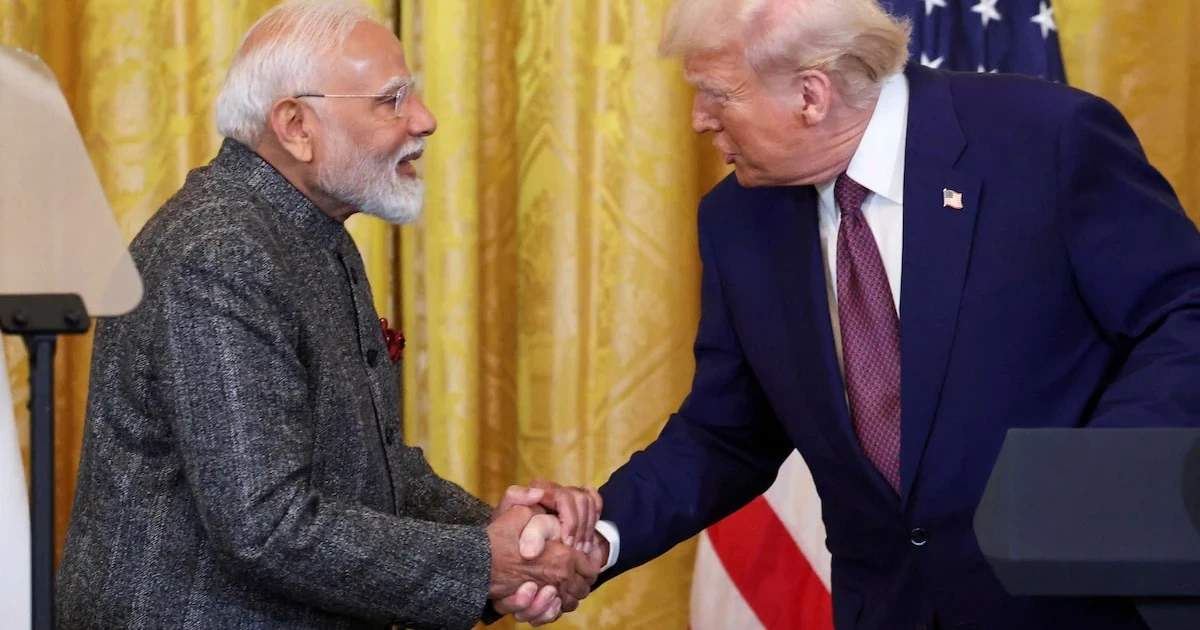
India is holding the line on a trade pact with Washington: no final deal until the United States resolves a tariff dispute that has become the main test of the negotiations. An Indian trade official said New Delhi wants any new duty to match or beat the terms faced by India’s direct rivals, underscoring how market access has become the hinge of the U.S.-India trade corridor.
The standoff comes after the two sides said in February that they had reached a framework for an interim agreement on reciprocal and mutually beneficial trade. The White House said that framework would lower tariffs and keep talks moving toward a broader U.S.-India Bilateral Trade Agreement, with the United States setting an 18% reciprocal tariff rate on originating goods of India under the interim structure. That framework covered textile and apparel, leather and footwear, plastic and rubber, organic chemicals, home décor, artisanal products and certain machinery, while also leaving open the possibility of removing the tariff on selected goods if the interim deal is completed.
The latest dispute is far more than a technical argument over rates. Washington has proposed an additional 12.5% tariff on imports from India and other economies over forced-labor concerns, and it is also weighing a separate tariff tied to what it sees as excess industrial capacity in sectors such as textiles. India has said it remains engaged with the United States on those Section 301 investigations, even as both governments push to finish the interim trade deal.
The pressure points were already clear in March, when the U.S. Trade Representative’s 2026 National Trade Estimate again singled out India’s high import duties and non-tariff barriers, especially in agriculture, pharmaceuticals and alcoholic beverages. The White House has said India agreed in February to address long-standing barriers to U.S. food and agricultural exports, including dried distillers’ grains, red sorghum, tree nuts, fresh and processed fruit, soybean oil, wine and spirits.
Talks accelerated in New Delhi from June 1 to June 4, when a U.S. delegation led by chief negotiator Brendan Lynch met Indian officials headed by Darpan Jain, an additional secretary in the Department of Commerce. India said on June 3 that it was still working with Washington on the tariff investigations and the interim agreement at the same time.
The tariff proposal is not final. The U.S. trade office has opened the measure for public comment and scheduled hearings in early July, giving exporters and governments a brief window to press their case. For now, the message from New Delhi is clear: the broader deal can move only if the tariff architecture is politically workable and commercially competitive.
Sources
- [1]money.usnews.com
- [2]whitehouse.gov
- [3]in.usembassy.gov
- [4]ustr.gov
- [5]thehindu.com
- [6]business-standard.com