World
India suspends Indus treaty, raising tensions with Pakistan over water
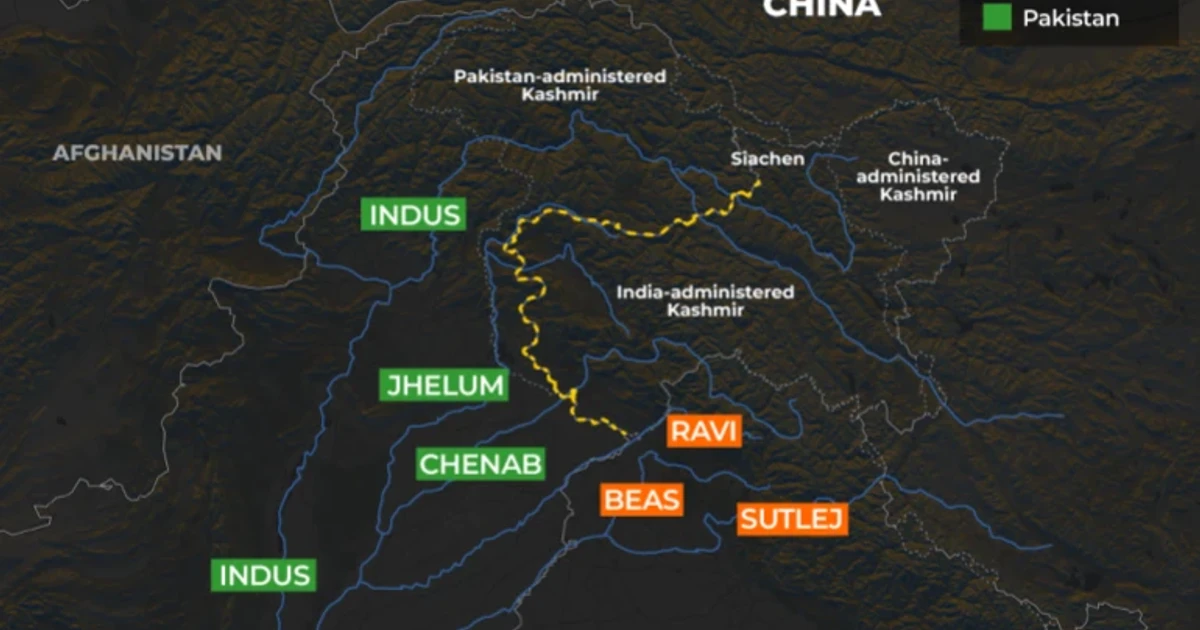
India’s move to suspend the Indus Waters Treaty has pushed water to the center of its confrontation with Pakistan, turning a 66-year-old allocation system into a potential instrument of coercion. The pact has long kept the two nuclear-armed rivals from fighting over the Indus Basin itself, but New Delhi’s latest stance has raised the stakes far beyond diplomacy.
The treaty, signed on September 19, 1960 after nine years of negotiations with World Bank help, divided the basin between the two countries. India received control of the eastern rivers, the Ravi, Beas and Sutlej, while Pakistan received rights to the western rivers, the Indus, Jhelum and Chenab. The World Bank says it is a signatory for certain specified purposes, not a guarantor, and its original proposal included a transition period and financing for Pakistan’s replacement link canals, a design meant to make the split workable rather than merely legal.
That architecture is now under strain. India put the treaty into abeyance after the April 22, 2025 attack in Pahalgam that killed 26 people, and has said the suspension will last until Pakistan completely stops cross-border terrorism. Randhir Jaiswal, speaking for India’s foreign ministry, has said the treaty remains suspended, while India’s water resources minister hardened the message further, saying New Delhi would work to ensure water flow to Pakistan stops. Pakistan’s defense minister, Khwaja Asif, warned that water security could become a cause for war if Islamabad believed its national interests were threatened, though he said the current situation did not require military action.
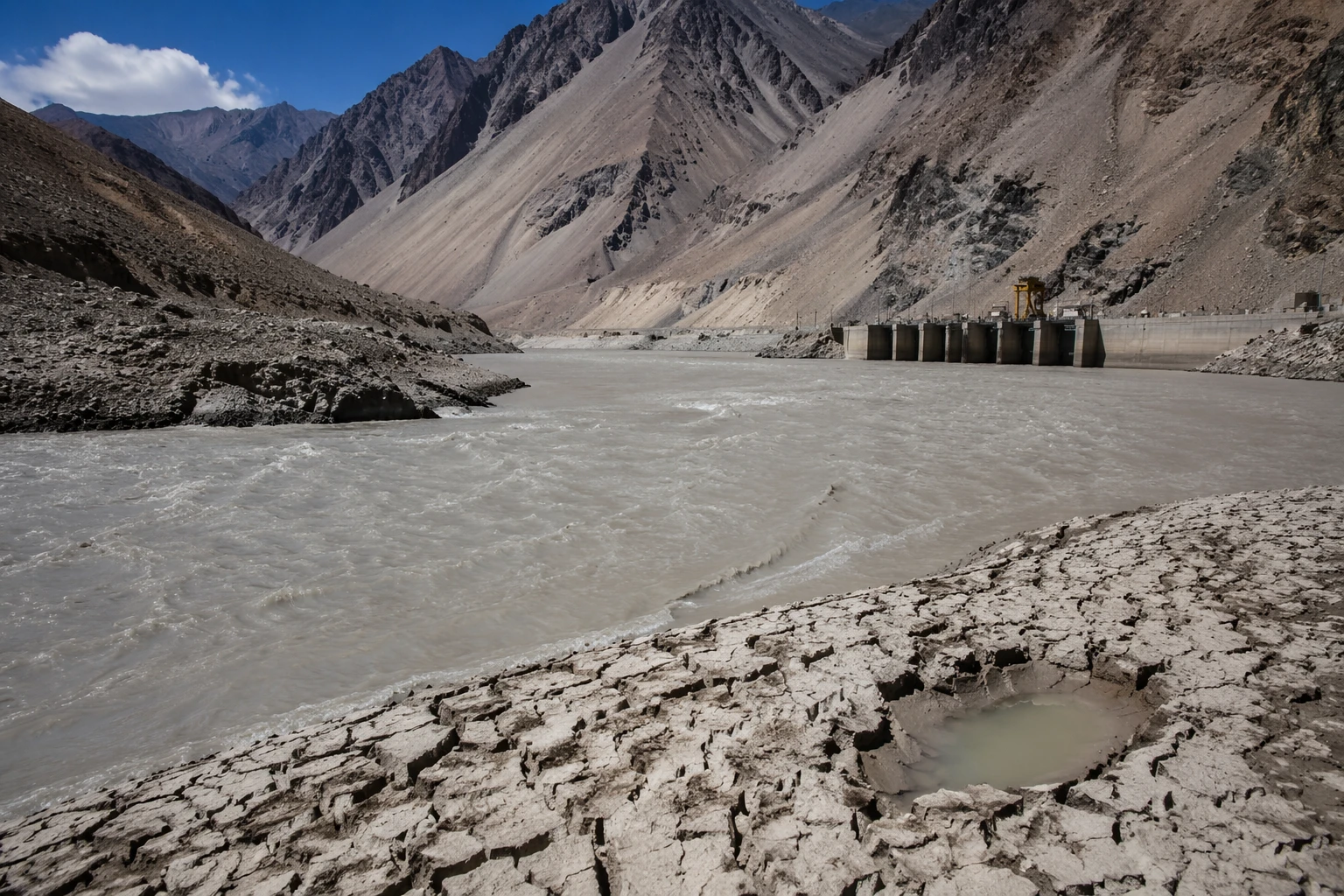
For Pakistan, the threat is not abstract. More than three-quarters of its annually available renewable water resources come from outside its borders, almost entirely from the Indus. Nine in 10 Pakistanis live within the Indus Basin, and the rivers irrigate more than 90% of the country’s crops. They also support most of its hydroelectric output, with all 21 of Pakistan’s hydroelectric plants located in the basin. Karachi and Lahore depend on the river system or groundwater replenished by it, making the dispute a question of food, electricity and urban water security at the same time.
Pakistan’s weak storage capacity magnifies the risk. Government reporting in April 2026 put national water storage at about 90 days, far below regional and global benchmarks, while another report said the country can currently hold only about 30 days of river flow. That leaves Pakistan exposed to seasonal swings, floods and any disruption in upstream flows. In a system already stressed by glacier retreat, groundwater over-abstraction and heavy dependence on a single river network, even the signal that water can be used strategically changes the calculus.
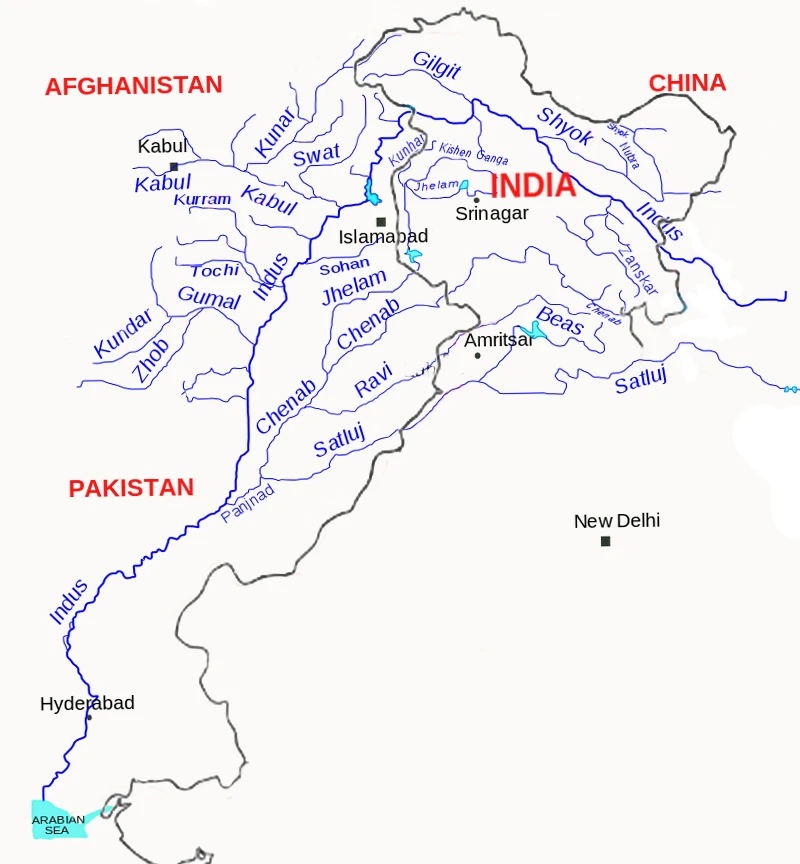
The treaty has survived earlier clashes in part because it created a durable framework for managing disputes, even over hydropower projects such as Baglihar and Kishanganga. India has now asked for a pause in proceedings over Kishanganga and Ratle after putting the pact in abeyance. Pakistan has taken its complaints to the United Nations Security Council, underscoring how a river agreement once meant to stabilize South Asia is now itself a flashpoint.
Sources
- [1]cnbc.com
- [2]worldbank.org
- [3]csis.org
- [4]arabnews.pk
- [5]economictimes.indiatimes.com