Health
India unveils cell-resolution brainstem atlas to map hidden structures
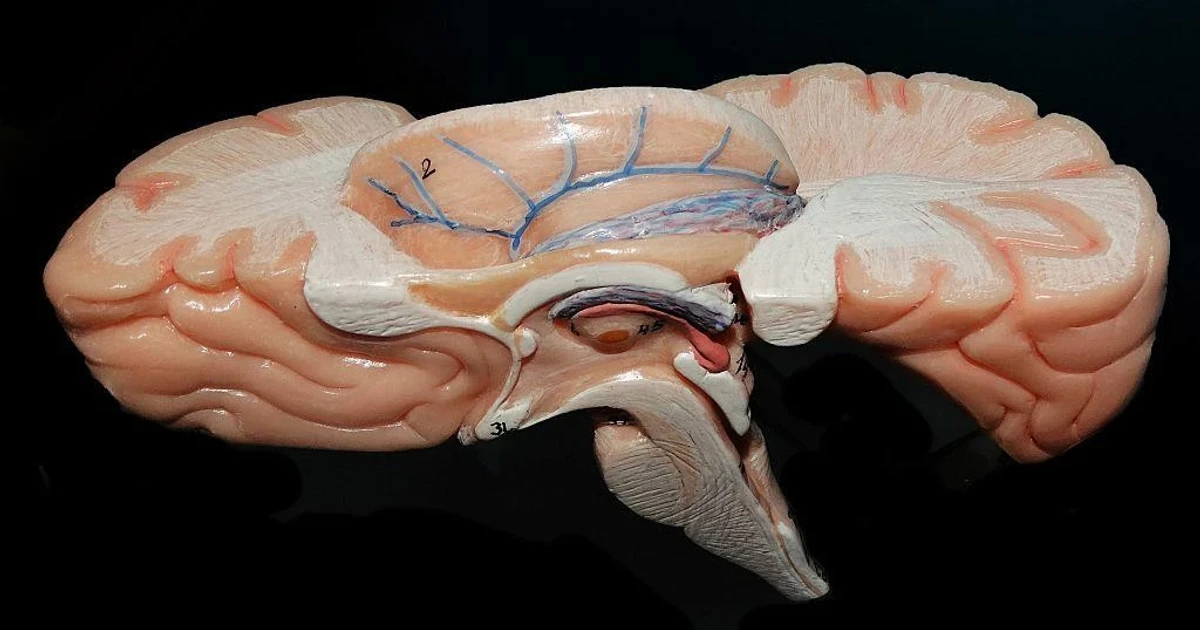
IIT Madras released ANCHOR, short for the Atlas of Neurochemical Characterization of the Human Brainstem with 3D Reconstruction, a cell-resolution, three-dimensional map of the human brainstem. The brainstem sits at the base of functions doctors cannot afford to misread: breathing, sleep, wakefulness, movement and, when it is damaged, some of the most severe neurological disorders.
The atlas was unveiled in June 2026 at the third BRICS Neuroscience Symposium 2026 at IIT Madras. Built by the Sudha Gopalakrishnan Brain Centre, it maps more than 200 brainstem nuclei and fibre tracts and spans prenatal, childhood and adult stages. The resource is publicly accessible through a dedicated portal, making it available to researchers and clinicians rather than keeping it behind laboratory walls.
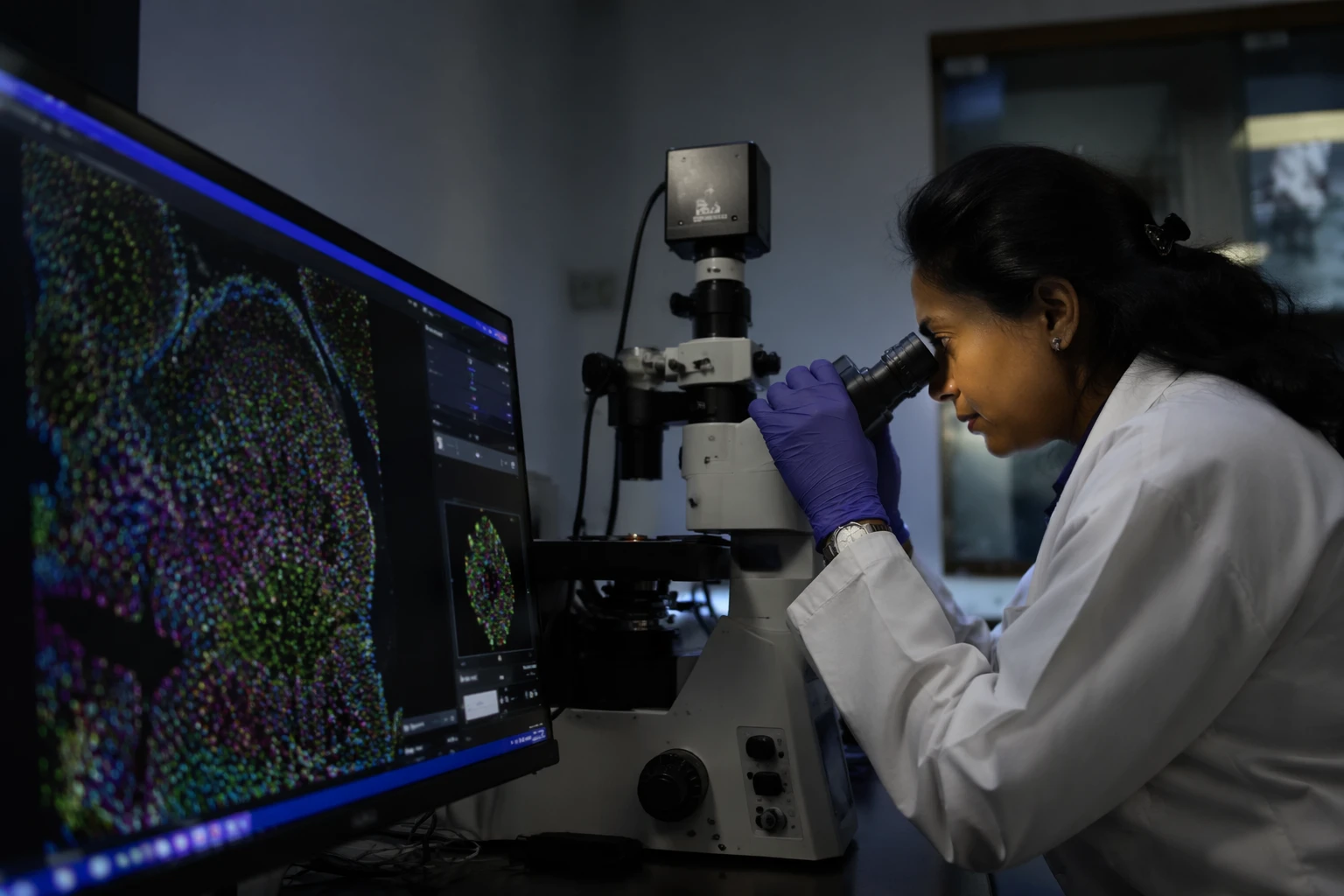
ANCHOR combines MRI, histology and neurochemical mapping into a single reference that links gross anatomy with microscopic detail. Researchers reconstructed the atlas from hundreds of serial sections and applied eight complementary immunostains across more than 500 sections to identify distinct neurochemical cell types. The map links large-scale brain structures to cellular features in a region that has remained poorly charted compared with other parts of the brain.

Ajay Kumar Sood, the Principal Scientific Adviser to the Government of India, said the maps could help identify cell populations affected in brainstem lesions and support clinical applications. ANCHOR can help connect symptoms to specific structures in the brainstem rather than treating the area as a blur on imaging.
The release builds on IIT Madras’s earlier brain-mapping work. In December 2024, the same centre unveiled DHARANI, an atlas of the human fetal brain created from five fetal brains aged 14 to 24 weeks and cut into 20-micron sections before digital stitching turned them into a publicly accessible dataset. The brain-mapping effort began in 2022, was funded by a 41 crore donation that helped launch the Sudha Gopalakrishnan Brain Centre, and is now aimed at imaging more than 100 whole brains across the human lifespan, including brains affected by rabies, dementia and Alzheimer’s disease.
Sources
- [1]bbc.co.uk
- [2]thehindu.com
- [3]timesofindia.indiatimes.com
- [4]anchor.humanbrain.in
- [5]theweek.in
- [6]biorxiv.org