Business
India warns Diageo over misleading whisky label claim
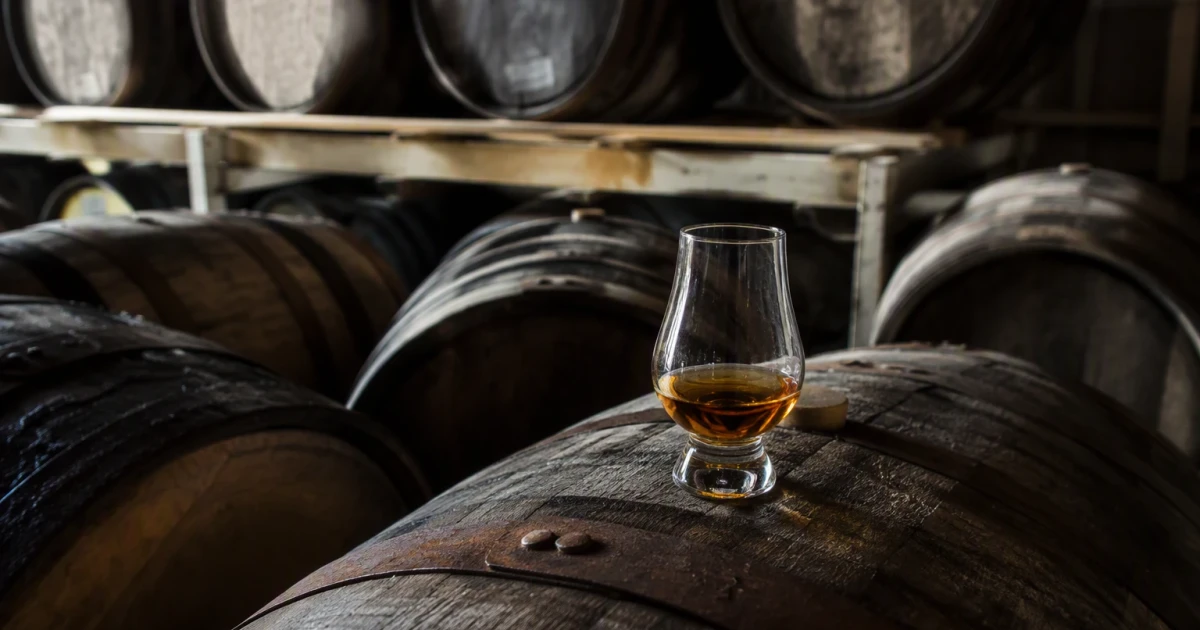
India’s Food Safety and Standards Authority warned Diageo that its claim that a whisky was “matured in American oak casks” could mislead buyers, putting a premium marketing phrase under a sharper legal lens. The notice said the product contained a grain spirit and that not all of it was matured in wood casks as the label suggested.
The dispute goes to the center of how whisky is sold in a market where age, cask type and provenance help justify a higher price. For shoppers buying into premium spirits, wording like “matured in American oak casks” signals more than flavor notes; it conveys authenticity, production method and quality, all of which can move a bottle up the shelf and into a higher price bracket.
The warning followed a broader move by Indian regulators earlier in the month, when they barred the sale of some whiskies and rum made by Diageo’s India unit and Inbrew Beverages over flavouring violations. In that case, officials said some products used artificial flavouring instead of proper ageing and ingredients to achieve their taste and aroma, and one of the brands drawn into the scrutiny was Royal Challenge, one of Diageo’s best-selling whiskies in India.
The market backdrop explains why the issue matters. India’s alcohol market generates about $40 billion in annual revenue, and Diageo is the country’s biggest alcohol company by market share, competing with Pernod Ricard and other global brands. Diageo’s India unit posted higher quarterly profit on premium demand in July, underscoring how much growth now depends on higher-end labels and stronger brand storytelling.
That also makes labeling disputes commercially sensitive. If regulators push back on phrasing that sounds more specific or more luxurious than the product can substantiate, spirits makers may have to trim their marketing language, change packaging and defend the technical details of how their whisky is made. The latest warning suggests India is paying close attention not just to what is in the bottle, but to how that bottle is described to consumers.
Sources
- [1]reuters.com
- [2]aol.com
- [3]telegraphindia.com
- [4]marketscreener.com
- [5]indiatoday.in
- [6]vino-joy.com