Business
India wholesale inflation jumps to six-month high on fuel costs

Higher global oil prices, pushed up by fighting in the Middle East, have started to flow through India’s economy at the factory gate. Wholesale price inflation jumped to 9.68 percent in May, up from 8.26 percent in April and above economists’ expectations, as fuel costs climbed into transport bills, producer margins and eventually household budgets.
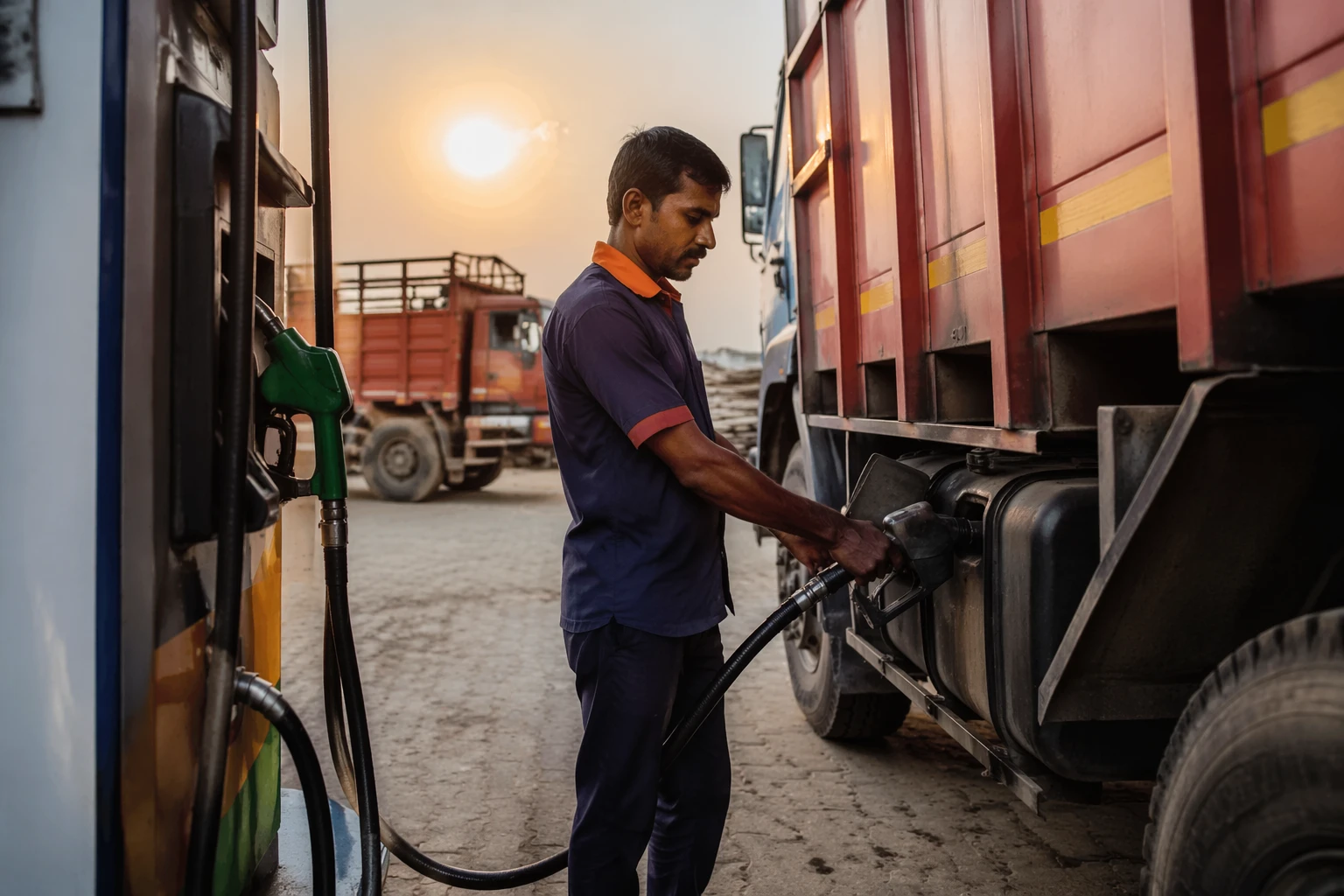
The sharpest pressure came from energy. Fuel and power prices rose 30.33 percent from a year earlier, while petroleum and natural gas jumped 61.51 percent. The benchmark Indian crude basket averaged $106.2 per barrel in May, up from $69 in February, and state-run fuel retailers lifted petrol and diesel prices by 3 rupees per litre on May 14-16, the first pump-price increase in four years. In New Delhi, gasoline reached 97.77 rupees a litre and diesel 90.67 rupees, while the petroleum ministry said under-recoveries still stood at about 14 rupees per litre on petrol, 42 rupees on diesel and 674 rupees per LPG cylinder.
The pass-through was visible beyond fuel. Wholesale food inflation rose to 3.60 percent in May from 2.43 percent in April, and manufactured goods increased 7.48 percent. That mix matters because it shows the shock is not confined to filling stations. Higher freight bills, power costs and raw-material prices can squeeze industrial margins first, then filter into supply chains and retail prices if businesses cannot absorb the hit.
Consumer inflation has not moved nearly as fast. Retail price inflation was 3.93 percent in May, up from 3.48 percent in April, still well below wholesale inflation and inside the Reserve Bank of India’s 2 percent to 6 percent target band. That gap helps explain why the central bank left the repo rate unchanged at 5.25 percent on June 5 and kept a neutral stance, even as it cut its FY27 growth forecast to 6.6 percent and lifted its FY27 consumer inflation projection to 5.1 percent.
For policymakers, the key question is whether the fuel shock produces second-round effects. If transport and input costs keep rising, businesses may eventually pass them on to consumers, putting pressure on retail inflation and narrowing the room for rate cuts. If energy prices cool further, the squeeze could ease in June, but May’s wholesale reading shows India’s producer price gauge is already catching the shock more clearly than the consumer basket.

The latest print also marked a structural change. The Office of Economic Adviser said the wholesale price index was revised from a 2011-12 base year to 2022-23, with the new series released on June 15 and back series covering April 2023 through May 2026. The revision also broadened coverage and added new producer-price measures, giving analysts a fresher read on how energy shocks move through the economy.