Business
Indian rupee set to weaken after hawkish Federal Reserve signal
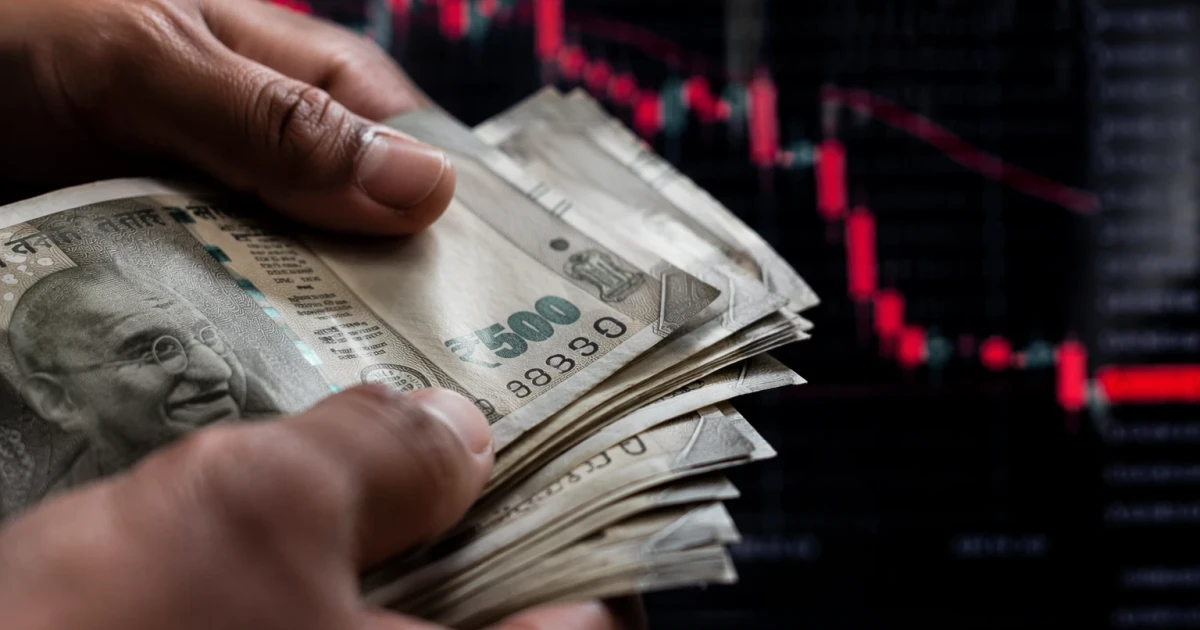
The Indian rupee was set to open weaker, with traders seeing the currency starting in the 94.70 to 94.75 range after ending the previous session at 94.5250. The move came after the U.S. Federal Reserve sent a more hawkish signal than markets had expected, reviving bets that the central bank could raise rates again later this year and strengthening the dollar.
The Fed held its federal funds rate at 3.50% to 3.75% at its June 17 meeting, but its updated projections shifted sharply toward tighter policy. Nine of the 18 policymakers now projected at least one rate hike in 2026, a stark contrast with market positioning before the decision. That surprise pushed U.S. two-year Treasury yields higher, weighed on global equities and reinforced demand for the dollar.
For India, the pressure runs through several channels at once. A weaker rupee makes imported goods more expensive, particularly fuel and industrial inputs, and that can feed into domestic inflation expectations. It also complicates the Reserve Bank of India’s policy choices, because a falling currency can force officials to balance growth support against the risk of imported price pressures. In everyday terms, that means households can feel the strain through petrol prices, transport costs and pricier imported goods, while borrowers face the chance of tighter monetary conditions if inflation becomes harder to contain.
The rupee’s latest drop also fits a broader global repricing of rates. When U.S. yields rise and the dollar firms, capital often moves toward dollar assets, leaving emerging-market currencies exposed. Traders said lower oil prices were offering some relief for India, which is a major energy importer, but that support was not enough to offset the pull from firmer U.S. rate expectations and dollar strength.
The currency’s wider backdrop remains fragile. Trading Economics said USD/INR reached an all-time high of 99.82 in March 2026, and noted the rupee was still down about 8.9% over the previous 12 months even after gaining roughly 2.8% over the prior month. That scale of weakness helps explain why the latest Fed surprise landed so hard: markets had been positioned for a milder signal, with Goldman Sachs expecting only around three policymakers to flag a hike. Instead, the Fed’s message pointed to a higher-for-longer path that leaves the rupee vulnerable in the near term.