Technology
India’s AI boom sparks water fears over Google’s Visakhapatnam hub

Google and Adani announced a roughly $15 billion AI data-center campus in Visakhapatnam, a gigawatt-scale buildout that has turned power and water into a live political fault line in Andhra Pradesh. The project, unveiled on October 14, 2025, is being pitched as India’s largest AI data center campus, with supporting green energy infrastructure and subsea cable connectivity.
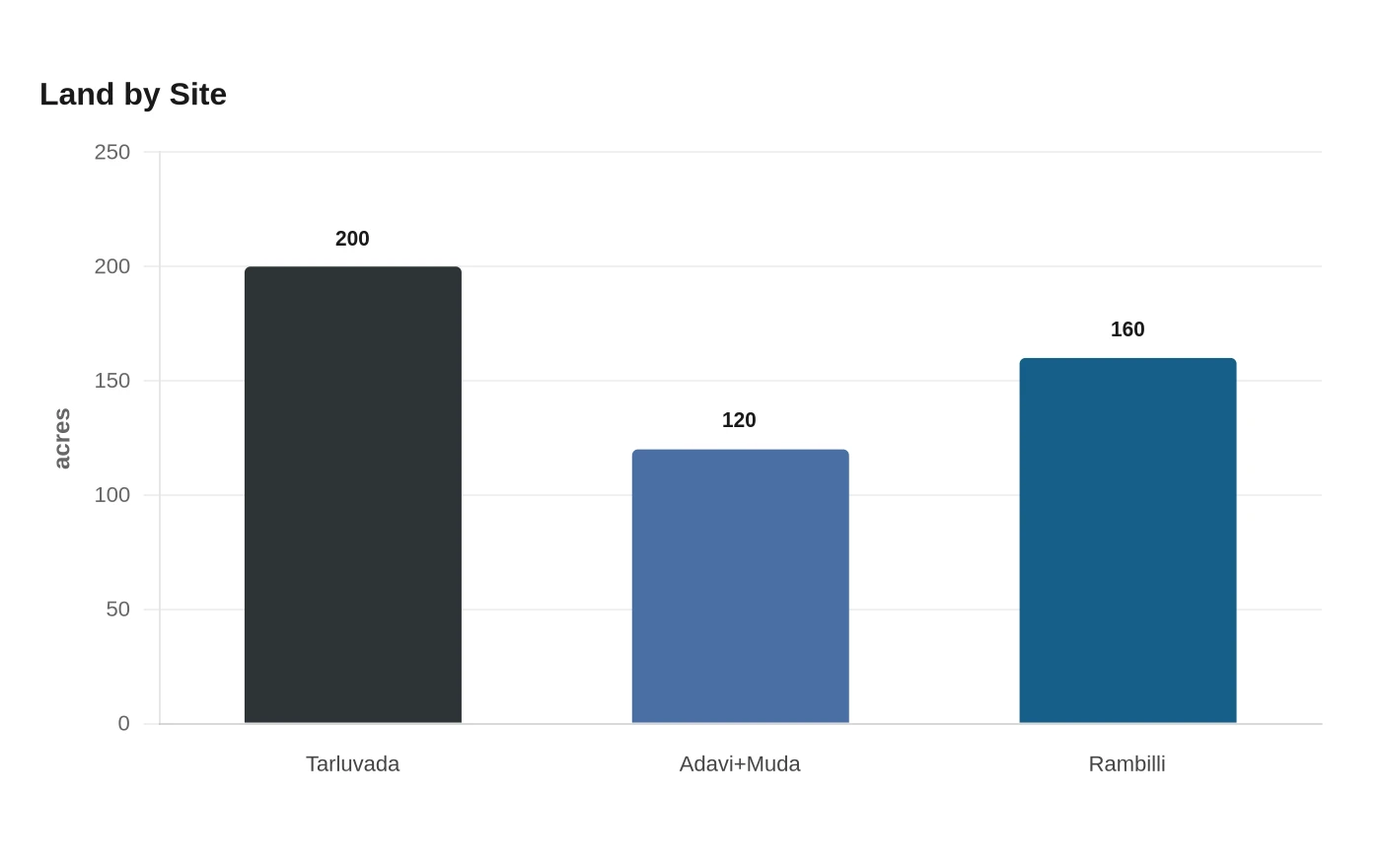
The companies say the Visakhapatnam hub is meant to meet India’s surging digital demand and deliver lower-latency access to high-performance services. The Andhra Pradesh government has moved to back the project with land allocations across Visakhapatnam and Anakapalli district, including 480 acres cited in local reporting, and critics say the broader cluster spans three sites, Tarluvada, Adavivaram and Mudasarlova, plus Rambilli. The site-specific allocations cited by advocates include 200 acres at Tarluvada, 120 acres at Adavivaram and Mudasarlova, and 160 acres at Rambilli.
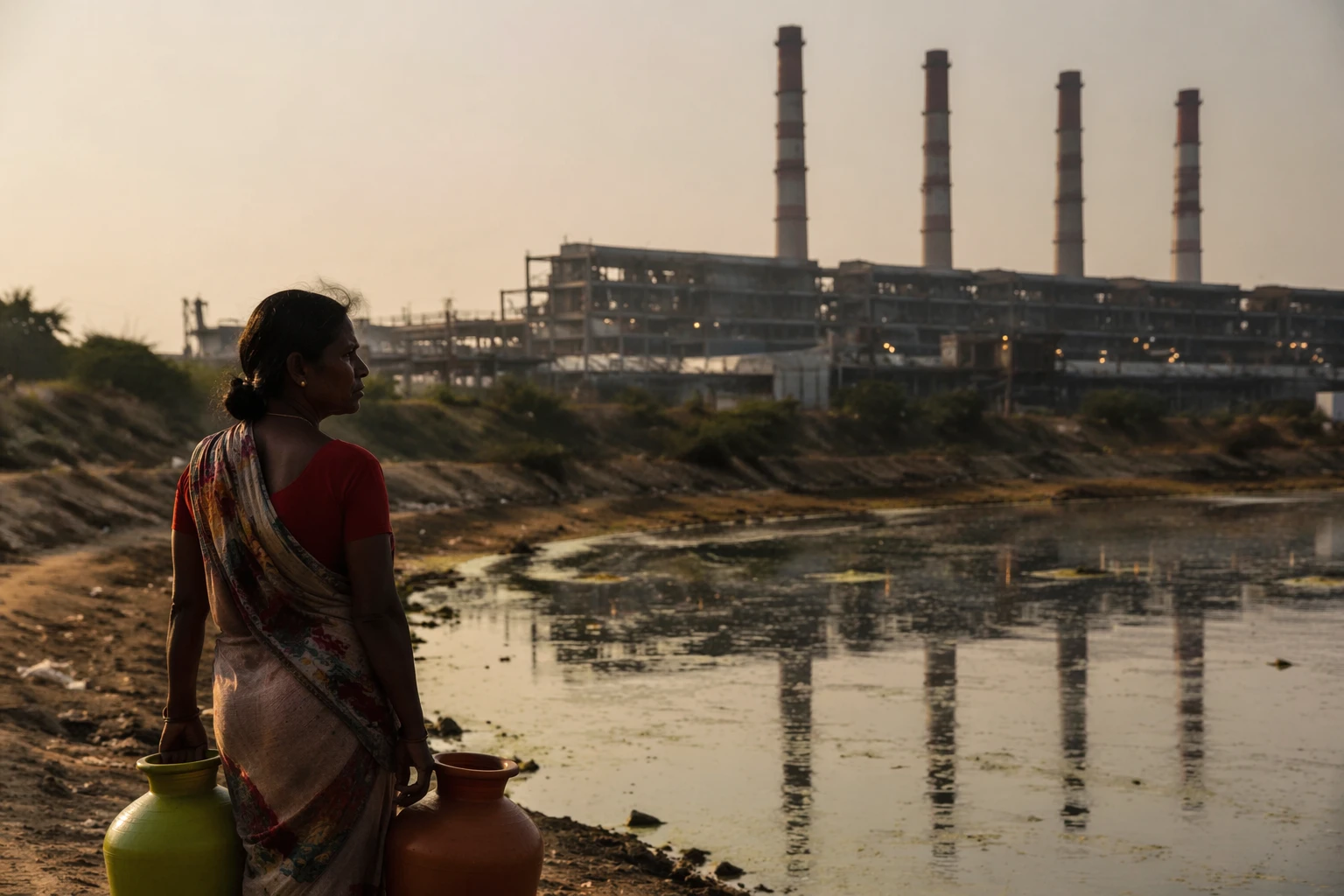
The sharpest backlash has come from the water question. The Human Rights Forum warned that the Google-Adani complex could intensify Visakhapatnam’s acute water stress, where groundwater depletion, erratic rainfall and climate variability have already strained supplies. One estimate circulating in local debate puts a single 1-gigawatt data center’s water needs at 2.7 million to 4.1 million gallons a day, a scale that critics say would compete directly with residential and agricultural demand in a city already under pressure.
India’s push into AI infrastructure is moving quickly. A Jal Shakti Ministry document says the country’s data-center capacity has climbed from 375 megawatts in 2020 to more than 1,500 megawatts by 2025, and government and industry discussions are now centered on direct-to-chip liquid cooling, adiabatic cooling and immersion cooling to limit water use. That shift has made Visakhapatnam a test case for whether India can build digital sovereignty without transferring the costs onto local aquifers, power grids and nearby communities.
The economics are clear: Google, Adani and their partners stand to gain from a flagship facility in one of India’s fastest-growing digital markets, while the public burden falls on a city already coping with water stress. For Andhra Pradesh, the wager is not only on jobs and investment, but on whether a national AI strategy can be built without creating a new infrastructure strain at ground level.
Sources
- [1]nytimes.com
- [2]connect.adani.com
- [3]blog.google
- [4]thehindu.com
- [5]groundxero.in
- [6]jalshakti-dowr.gov.in
- [7]deccanherald.com