Sports
India's batting under fire after back-to-back T20 series defeats

England beat India by 56 runs in the fifth T20I at Southampton on July 11, 2026, sealing a 4-0 series win after rain washed out the opener. India finished on 158 for 7 and England chased the target in 13.5 overs, ending a tour that also included a 125-run defeat in the third T20I, India's biggest loss in T20I history.
The scale of the defeats has turned the focus from a bad stretch into a broader examination of India's batting structure. Pundits and former players have questioned whether the reigning T20 World Cup champions are too dependent on a handful of stars, too slow to find tempo when wickets fall, and too rigid in the roles assigned to the top and middle order. India’s back-to-back T20I series defeats to England and Ireland were its first since 2019.
Bristol marked the point where England seized control. Phil Salt and Harry Brook struck destructive half-centuries there as England took an unassailable 3-0 lead, leaving India with little margin for error in the remaining matches. The pattern across the series was clear: once England's bowling tightened the scoring rate, India struggled to rebuild momentum, and the innings began to stall under pressure rather than accelerate around it.
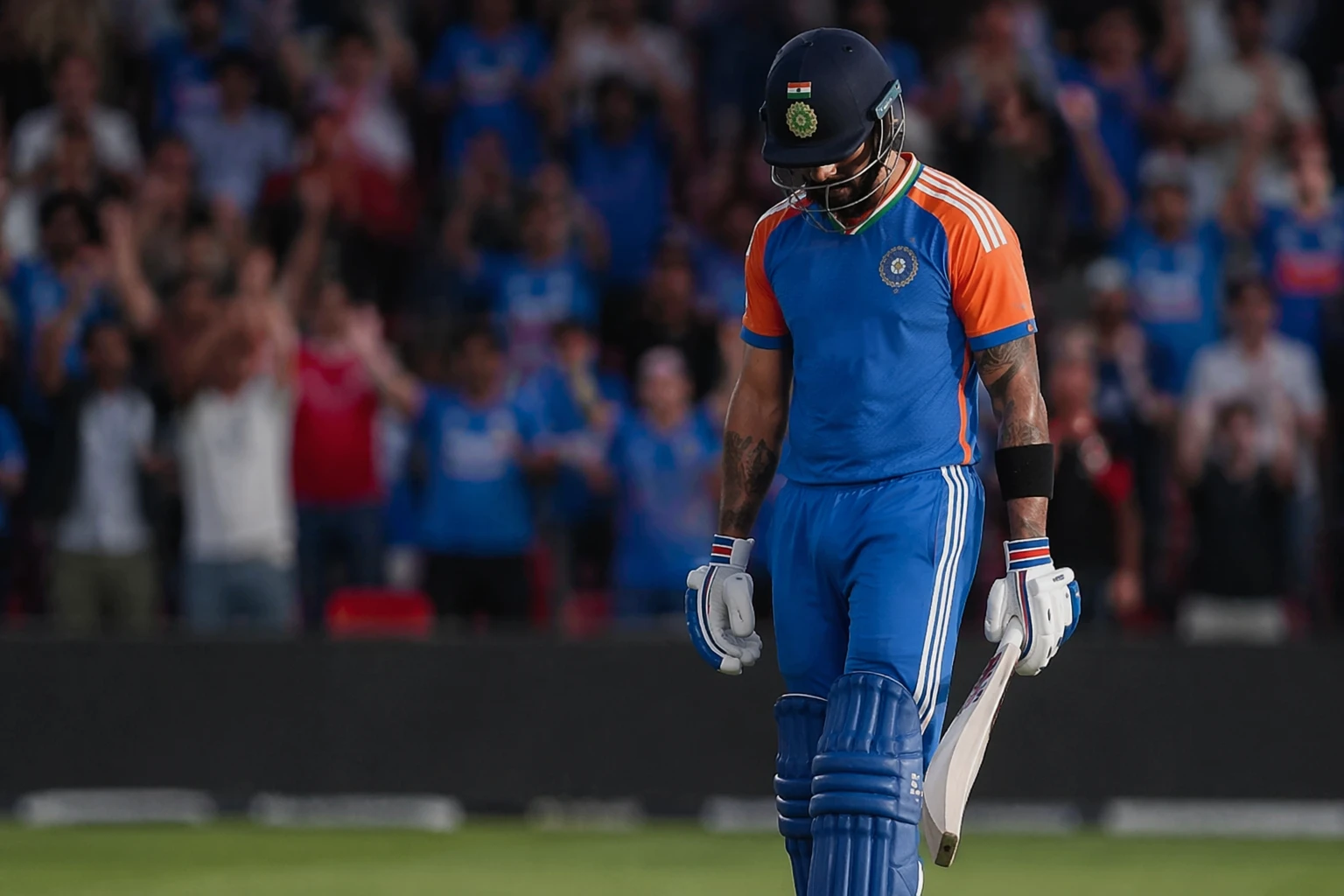
Anil Kumble sharpened the criticism after the heavy loss, calling India's batting an “abject surrender.” Inside the camp, Ryan ten Doeschate backed Shreyas Iyer and urged patience through a difficult transition, while Iyer said India had failed to adapt to English conditions and described the defeat as a learning curve. Those responses point to the same problem from different angles, a side still searching for clarity in tempo, selection and execution when the match tilts against it.
With a long international calendar ahead, the next squad calls and batting combinations will be watched closely to see whether these defeats were a temporary dip or the first clear sign that India's white-ball formula has started to fray.
Sources
- [1]straitstimes.com
- [2]thestar.com.my
- [3]msn.com
- [4]indiatoday.in
- [5]indiatvnews.com
- [6]sports.ndtv.com