Technology
India’s data-center boom fuels AI ambitions, raises water and power fears
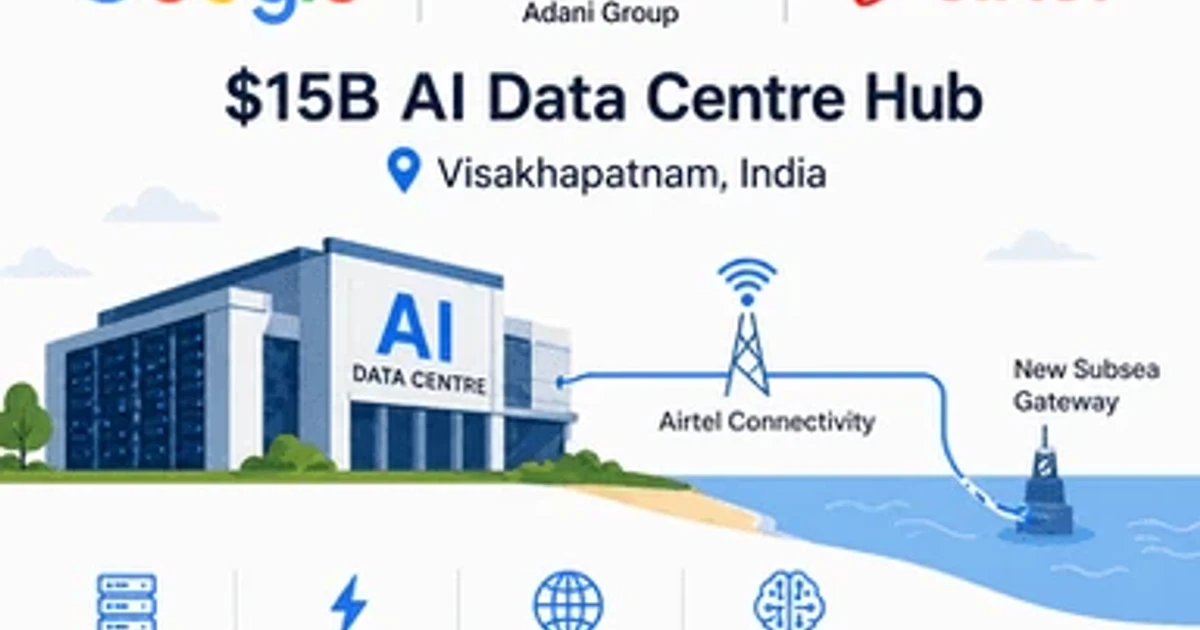
India’s data-center capacity crossed 1 gigawatt in 2024 and is projected to reach 1.8 gigawatts by 2027, a 77% jump that has turned Mumbai, Bengaluru, Delhi and Chennai into key buildout zones. The expansion is being driven by artificial intelligence, cloud computing and data-localization rules that require more information to be stored inside the country.
The latest push is centering on Visakhapatnam, Andhra Pradesh, where a gigawatt-scale investment has made the coastal city a fast-rising node for both data centers and subsea-cable development. Indian officials have also granted infrastructure status to the sector, a move that makes it easier for companies to secure funding and land as the country tries to position itself as a global AI infrastructure hub.
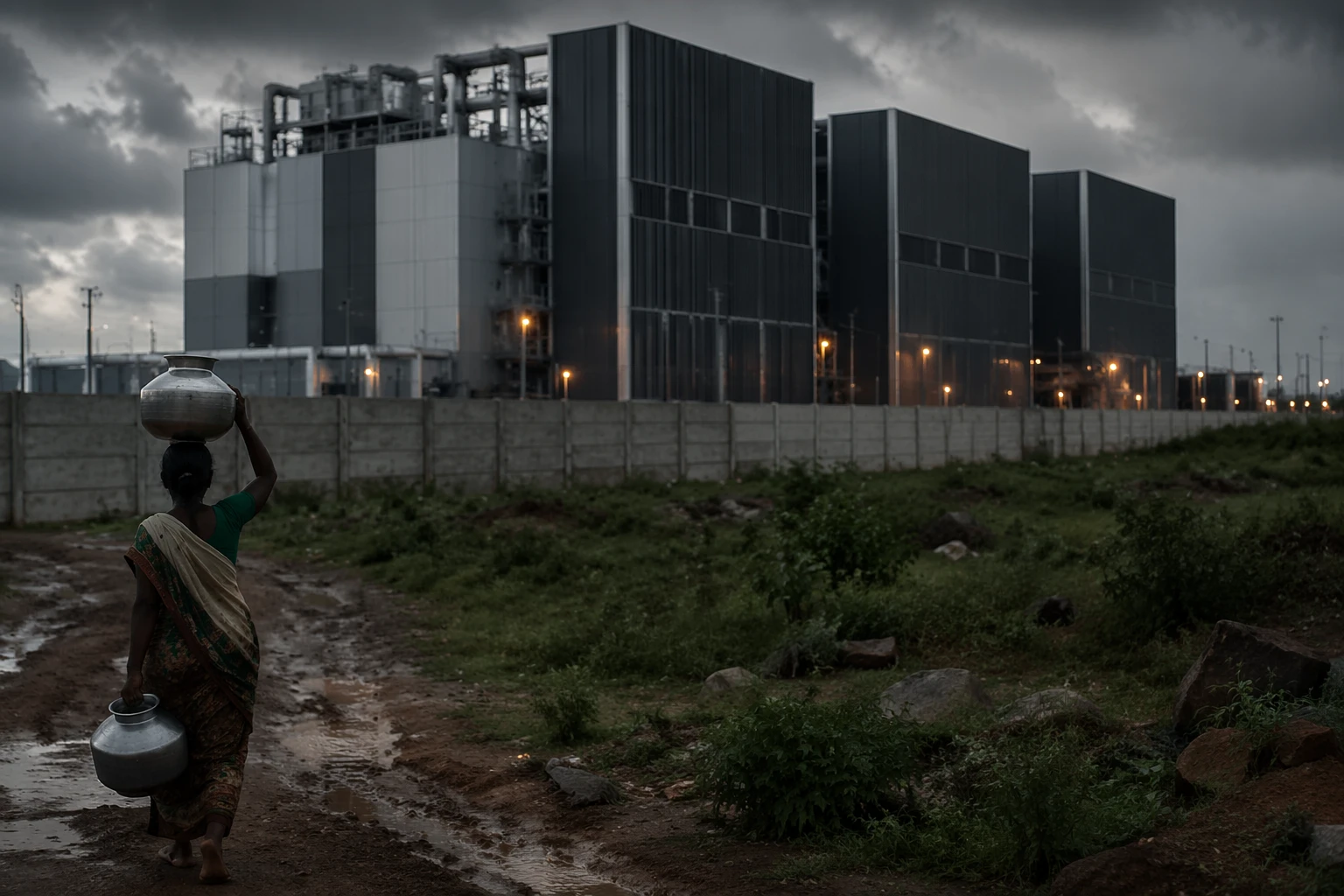
That ambition is colliding with a harder accounting of resource use. A 2026 analysis by the Council on Energy, Environment and Water found that data centers already account for about 0.5% of India’s electricity consumption and consume roughly 150 billion liters of water a year. The same analysis projects that both electricity demand and water use from the sector could more than double by 2030.
Environmental advocates and local critics say the buildout is landing in places where supplies are already under strain. They warn that large facilities can intensify groundwater depletion and push operators toward power drawn from water-stressed or fossil-fuel-heavy grids, especially as India’s digital demand rises faster than new clean supply can be added. In coastal districts such as Visakhapatnam, that has sharpened fears that the costs will be local even as the upside is national.

Supporters of the expansion argue that the data-center boom can bring high-paying technical jobs, construction work and greater strategic independence in the global AI race. But critics say those gains may be narrower than promised, with many of the best-paid positions concentrated in operations and engineering while the heaviest burdens fall on communities that must absorb higher electricity demand, water use and land pressure after the ribbon-cutting ends.
Sources
- [1]nytimes.com
- [2]jll.com
- [3]india.mongabay.com
- [4]ceew.in
- [5]newindianexpress.com
- [6]downtoearth.org.in