World
India’s Deep Tech Startup Revolution: New Definition Unlocks 20-Year Window
What’s Changed: Doubling the Timeline and Broadening the Net
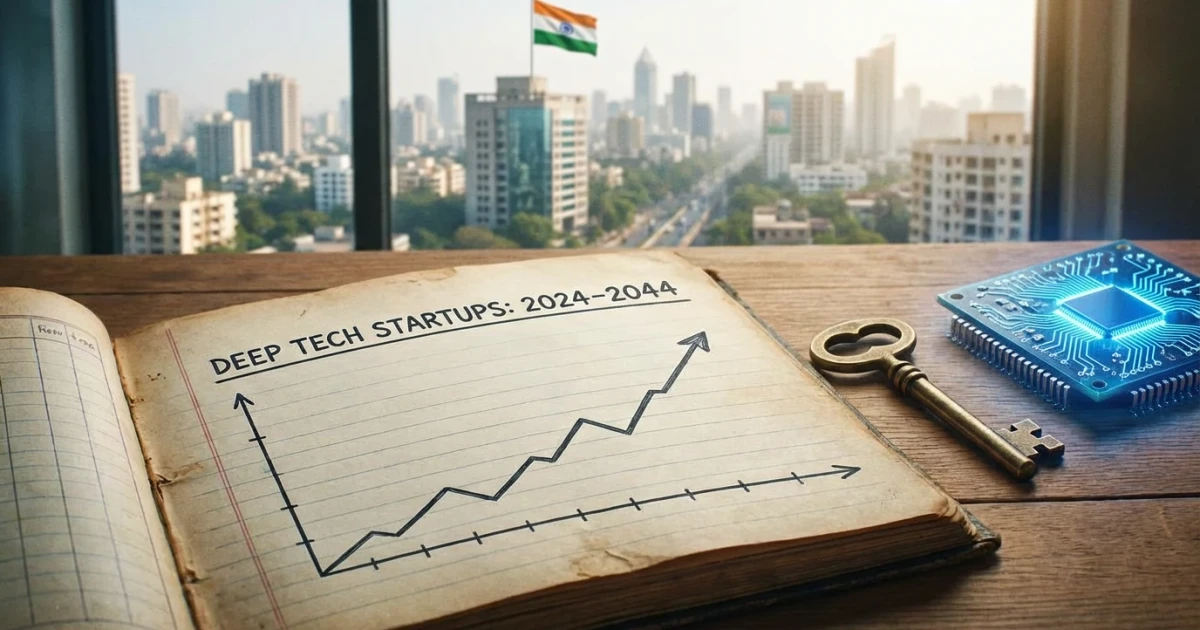
For years, India’s startup ecosystem operated under a government-defined eligibility period—previously capped at 10 years—for benefits such as tax incentives, grants, and access to government schemes. The new notification, as reported by both The Tech Buzz and The Economic Times, officially extends the eligibility period for deep tech startups to 20 years from their date of incorporation. This move is designed to acknowledge the unique challenges and longer gestation cycles associated with deep tech innovation, where commercialisation often takes significantly longer than in traditional digital startups.
- Deep tech startups—those focused on advanced technologies like AI, quantum computing, robotics, and biotech—now have a 20-year eligibility window.
- Cooperative societies, long excluded from startup incentives, are now formally recognised as eligible entities, opening the door for grassroots and community-driven innovation.
Why Deep Tech Needs More Time
This policy shift is grounded in the reality that deep tech startups operate in sectors where scientific breakthroughs and market adoption often require sustained investment, iterative R&D, and regulatory navigation. According to the NASSCOM India DeepTech Startup Landscape Report 2023, deep tech ventures in India typically face longer development cycles, with many taking over a decade to reach commercial viability. By doubling the eligibility period, India hopes to foster more ambitious, globally competitive ventures in fields like AI, semiconductors, and healthcare technology.
Key Benefits for Deep Tech Founders
- Access to government schemes for a longer period—critical for startups pushing the boundaries of science and technology.
- Extended tax breaks and funding opportunities, making it easier to attract patient capital and international partnerships.
- Greater time to navigate regulatory hurdles and scale innovations to market.
Cooperative Societies: A New Player in the Startup Game
Perhaps equally transformative is the inclusion of cooperative societies in the startup definition. These organizations, often rooted in rural and semi-urban India, have traditionally focused on agriculture, dairy, and small manufacturing. With the revised policy, cooperatives can now leverage startup incentives, potentially accelerating technology adoption and grassroots entrepreneurship.
Market Impact: India’s Deep Tech Ecosystem on the Rise
India’s deep tech ecosystem is already showing impressive momentum. The latest data from IBEF reveals:
- The deep tech sector grew by 25% year-on-year in 2023.
- Over 3,000 deep tech startups are now active in India, with AI and biotech among the fastest-growing segments.
- Funding for deep tech ventures hit $2.5 billion in 2023, reflecting increased investor confidence bolstered by policy support.
With the new eligibility window, industry experts anticipate even greater growth, as startups gain more time to scale and attract global talent and capital.
Policy Context: Aligning with Global Best Practices
This move comes on the heels of recommendations from the Draft National Deep Tech Startup Policy released by the Ministry of Electronics & IT (MeitY), which emphasised the need for longer eligibility and targeted support. By aligning its startup definition with international norms—where deep tech ventures are often recognised for extended periods—India signals its ambition to become a global innovation hub.
Looking Forward: What This Means for Sheffield and Beyond
For Sheffield’s own advanced manufacturing and tech startups, India’s policy evolution offers a reminder of the importance of patient capital and long-term policy vision. As collaborations between UK and Indian innovators deepen, expect more cross-border partnerships and joint R&D initiatives—especially in areas like quantum computing, AI, and sustainable manufacturing.
The new startup definition is more than a bureaucratic tweak—it’s a bold bet on deep tech and grassroots innovation. With a 20-year runway, India’s entrepreneurs have room to build world-changing technologies, and cooperative societies can bring those innovations to the heart of communities. In the global race for technological leadership, India’s latest move is both strategic and inclusive—setting a precedent that other economies may soon follow.