World
India’s monsoon delay leaves summer crop planting far behind schedule
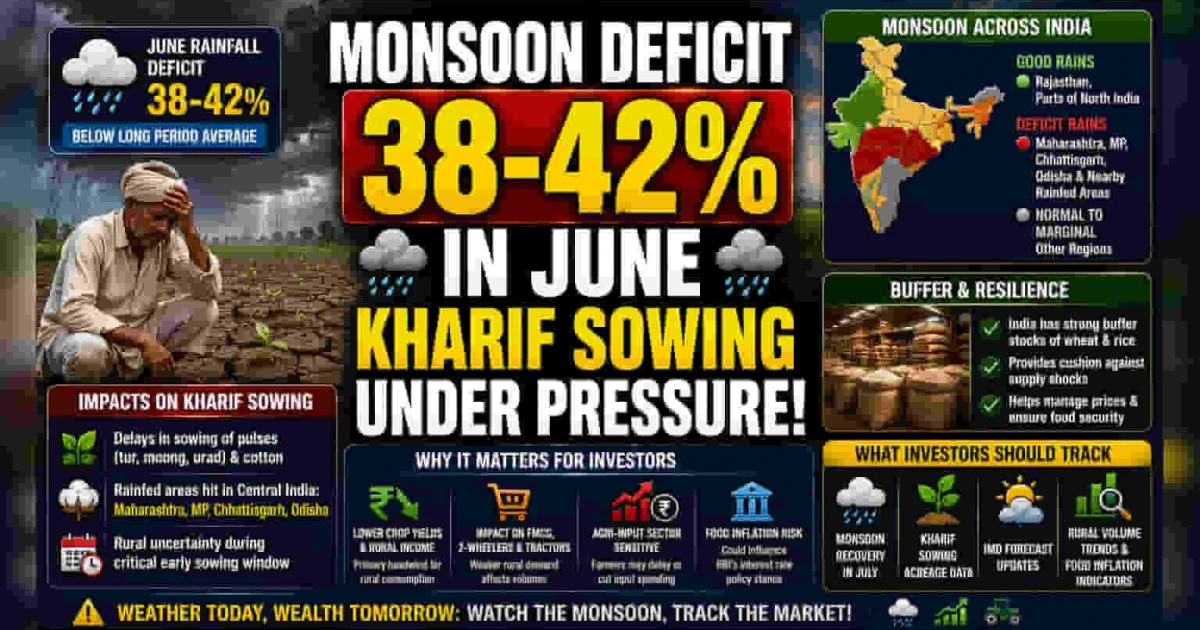
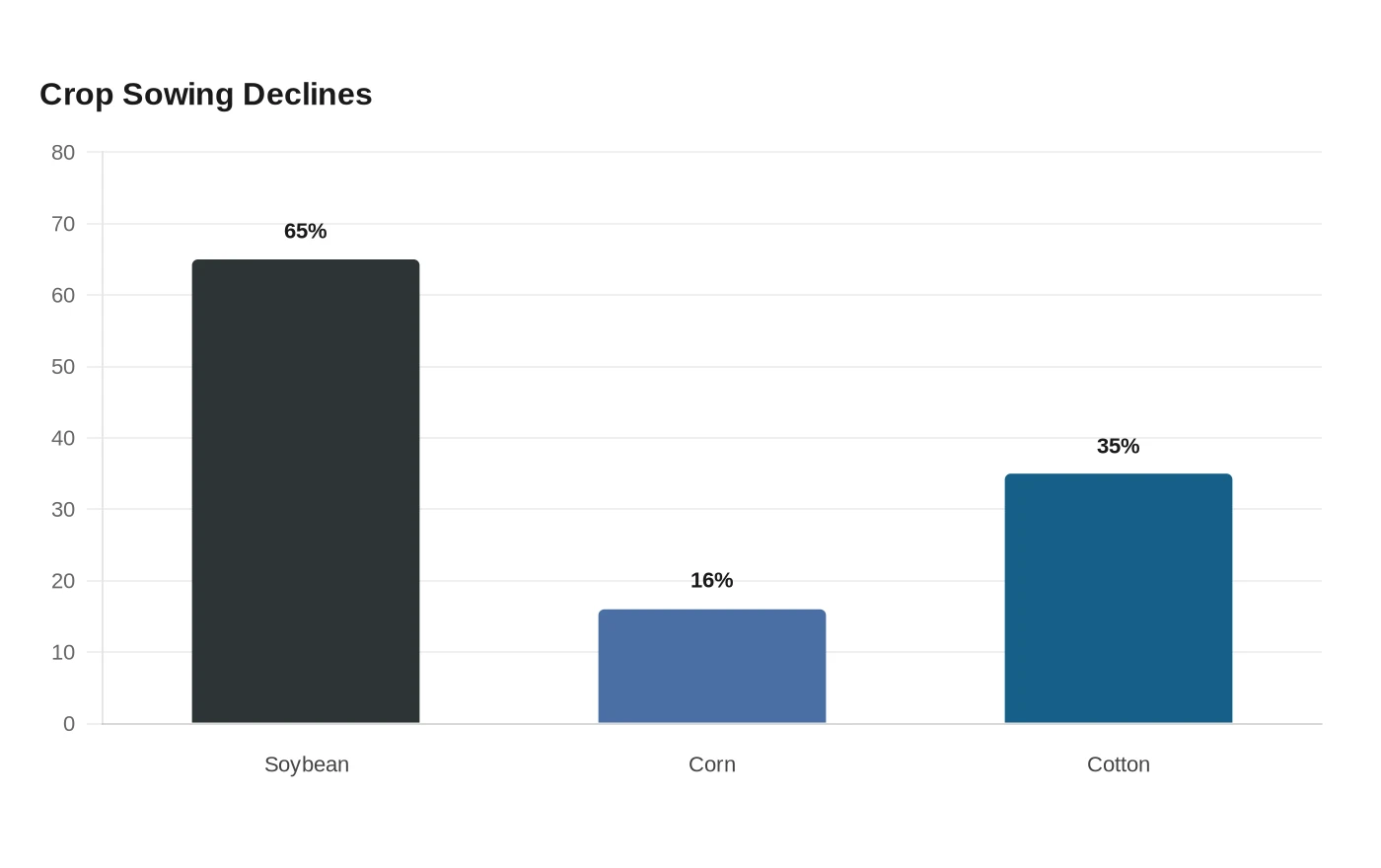
India’s summer crop planting was 18.27 million hectares by June 25, nearly 23% below the pace a year earlier, after the southwest monsoon reached Kerala three days late and then stalled across western farming regions for about two weeks. The shortfall is already visible in the country’s main kharif crops: rice area had dropped to 2.58 million hectares from 3.44 million a year ago, soybean sowing was down 65%, corn was down 16% and cotton was down 35%, even as sugar cane acreage edged higher.
The timing matters because the planting window is still open, but not for long. India had received 42% less rainfall than normal since the monsoon season began on June 1, with some areas facing deficits as deep as 92%. A prolonged dry spell would not only shrink the area planted, it could also hit yields later in the season, turning a delayed start into a production problem and, eventually, a food-price problem.
That risk is sharper for rice and soybeans. Rice is central to domestic food supply, and India is also the world’s largest rice exporter, accounting for about 40% of global shipments, so any squeeze on output can ripple through global markets. Soybeans matter for the edible-oil trade, and a deeper acreage cut would increase pressure on imports in a country that already relies heavily on foreign vegetable oils. Cotton output also bears watching because a persistent acreage slump would tighten supply for mills and exporters.
The government has already moved to cushion the damage. On June 23, Agriculture Minister Shivraj Singh Chouhan said about 315 districts were potentially affected by weak monsoon conditions, including 111 high-priority districts where irrigation coverage is below 25%. The contingency plans emphasize alternative crops, short-duration varieties, crop diversification and better use of water resources, backed by weather watch groups and district control rooms.
Weather officials signaled some relief ahead. The India Meteorological Department said on June 25 that conditions were favorable for further monsoon advance into parts of Gujarat, Madhya Pradesh, Chhattisgarh, Jharkhand, Bihar, Uttar Pradesh and Uttarakhand over the next three to four days. On June 29, it said heavy to very heavy rain was likely in Sub-Himalayan West Bengal and Sikkim, and in Konkan and Goa on June 29 and July 2-3, a forecast that could help farmers recover lost time if the rains arrive quickly enough.
For now, government rice stocks offer a cushion, rising 15% from a year earlier to a record high for the start of June. Traders are still focused on July, when a stronger monsoon could restore sowing momentum before the window closes, but a repeat of earlier two-week delays in central and western India would leave less room to catch up and more room for higher grocery inflation later in the year.