World
India’s NEET retest unfolds under heavy security after paper leak row
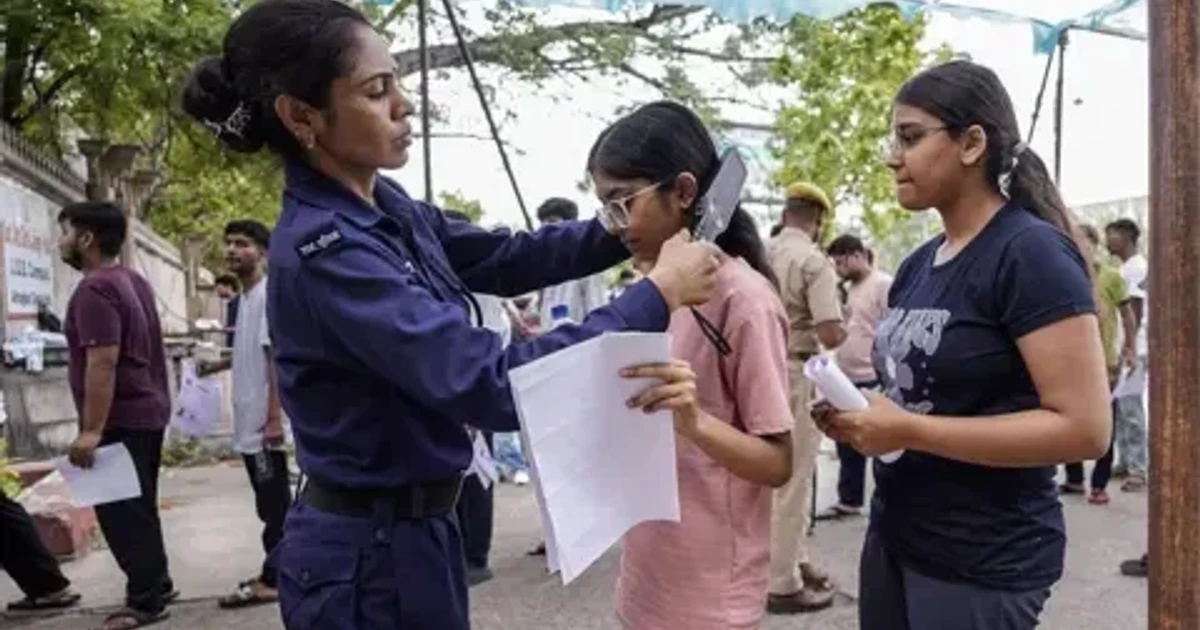
Biometric scans, facial-recognition checks and frisking lines met India’s 2.2 million NEET aspirants as the retest unfolded under a security blanket meant to contain the damage from a paper-leak scandal. The National Eligibility cum Entrance Test, the country’s key medical entrance exam, had been cancelled nationwide after allegations of irregularities, leaving over 22 lakh students to sit through a second attempt under extraordinary scrutiny.
Authorities deployed the Indian Air Force to move sealed question papers to 18 Air Force stations across India before the packets were taken under guard to exam centres. The Ministry of Education and the National Testing Agency said the new arrangement was designed to stop another breach, with reports describing a seven-layer security framework and direct monitoring from the Prime Minister’s Office. The government has called the protocol unprecedented in Indian exam history.
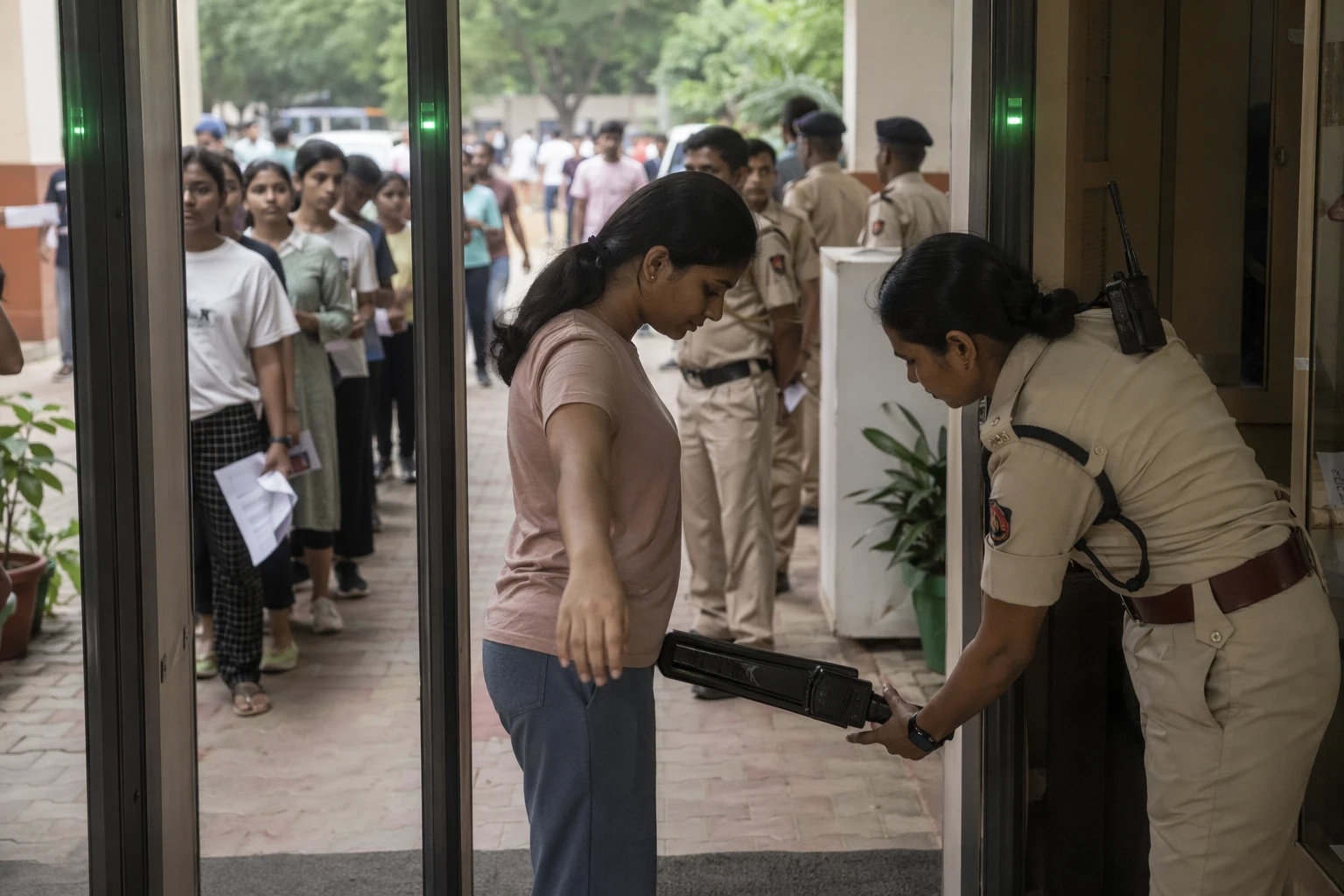
At centres on June 21, candidates passed through multiple frisking points, biometric screening and facial-recognition checks. Reports also said the perimeter was backed by AI-monitored CCTV, Central Reserve Police Force and Central Industrial Security Force escorts, and in some places drone and dog-squad surveillance. Several centres imposed strict dress codes, including limits on enclosed shoes and the removal of nose pins or wrist threads, adding another layer of control to an already tense morning.
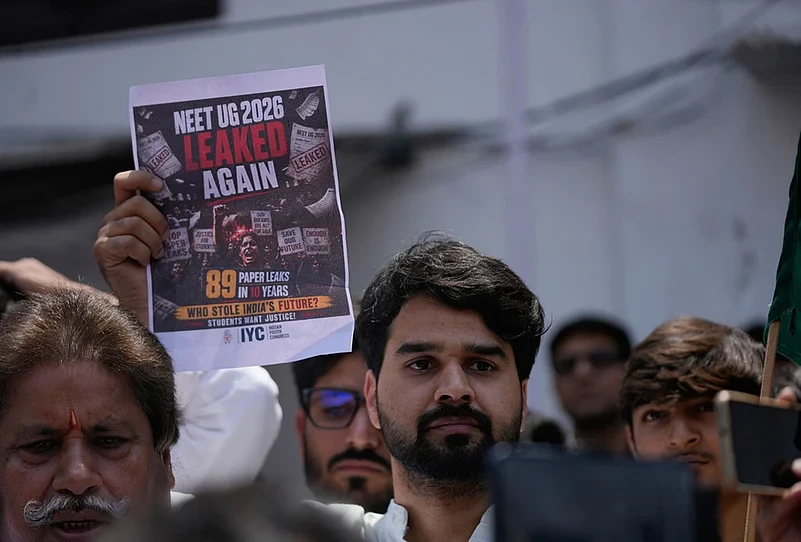
The scale of the measures reflected the political and emotional fallout from the leak row, which triggered protests, arrests and renewed outrage over exam fraud in India. The original May 3 paper was scrapped nationwide after allegations that the integrity of the test had been compromised, turning a career-defining exam into a national argument over fairness and state capacity.

Abhishek Singh, the NTA chief, was quoted as saying the Indian Air Force would transport the papers, underscoring how far the authorities went to protect the retest. For millions of students and families, the security cordon was more than an administrative fix: it was a stress test of whether India’s meritocracy could still be trusted.