Health
India’s post offices begin offering eye tests to expand access to glasses
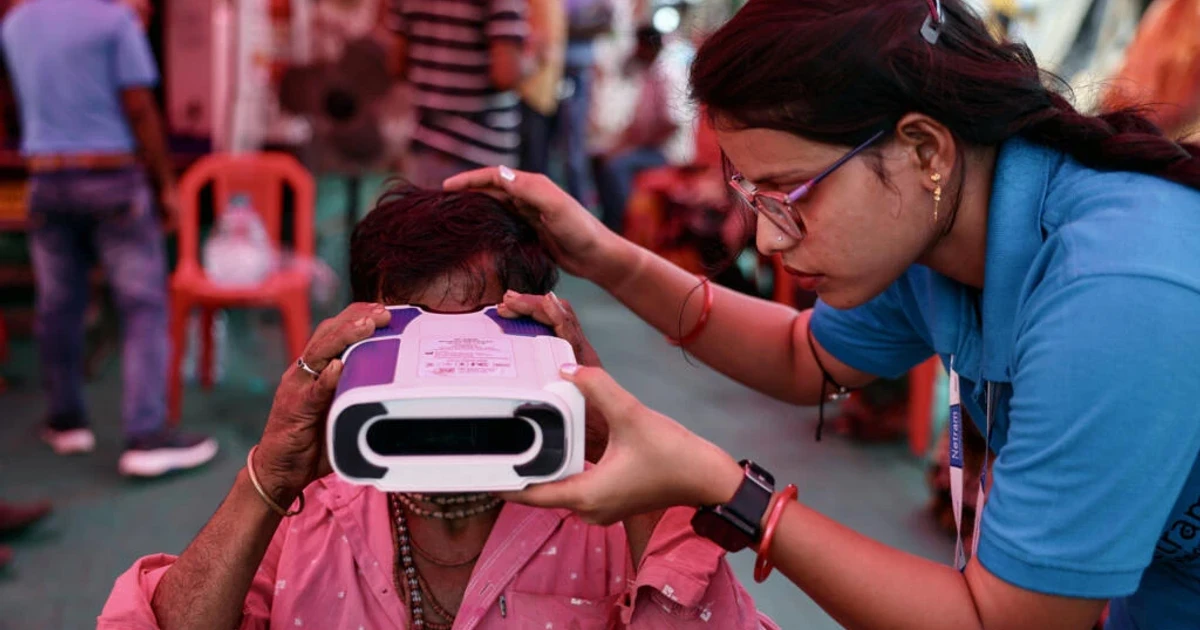
At a red-and-white kiosk inside the post office in Rangiya, Kalita now spends her days asking customers whether they want an eye test. The unusual setup turns one of India’s most familiar public counters into a first stop for people who may never reach an eye clinic.
The public-health case for that kind of outreach is stark. The World Health Organization says uncorrected refractive error is the leading cause of vision impairment in children and adults, and that at least 2.2 billion people worldwide have near or distance vision impairment. At least 1 billion of those cases are preventable or remain unaddressed, and two out of three people in low-income countries who need eyeglasses do not have them. WHO also puts the annual global productivity loss from unaddressed vision impairment at US$410.7 billion.
WHO launched SPECS 2030 in May 2024 to drive a 40 percent increase in effective coverage of refractive error by 2030. In May 2025, the agency said millions still lacked access to basic eyeglasses, with women, older adults and low-income countries carrying a disproportionate share of the burden. The model in India fits those warnings closely: barriers to glasses include low awareness, too few trained personnel, weak oversight and services concentrated in cities.
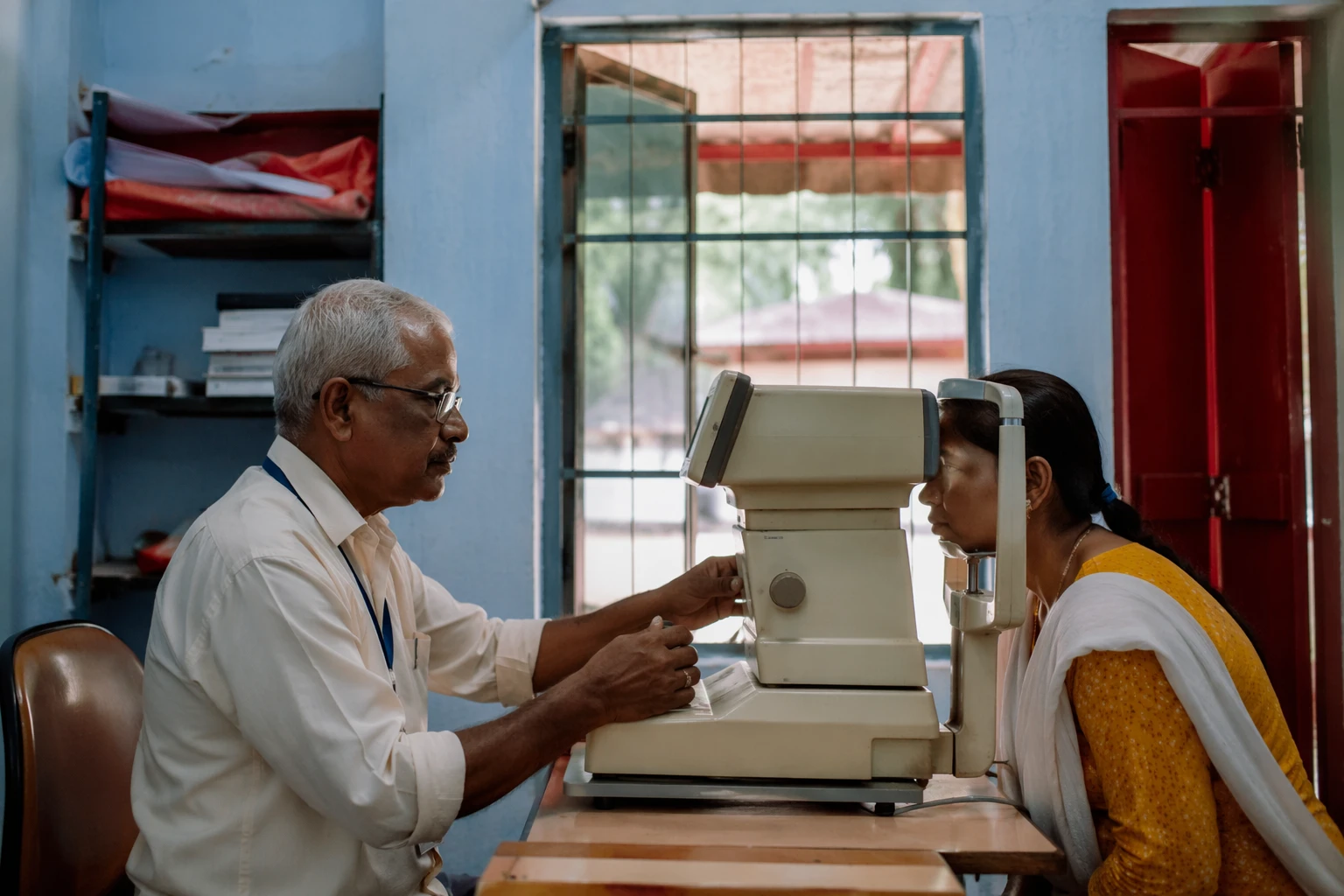
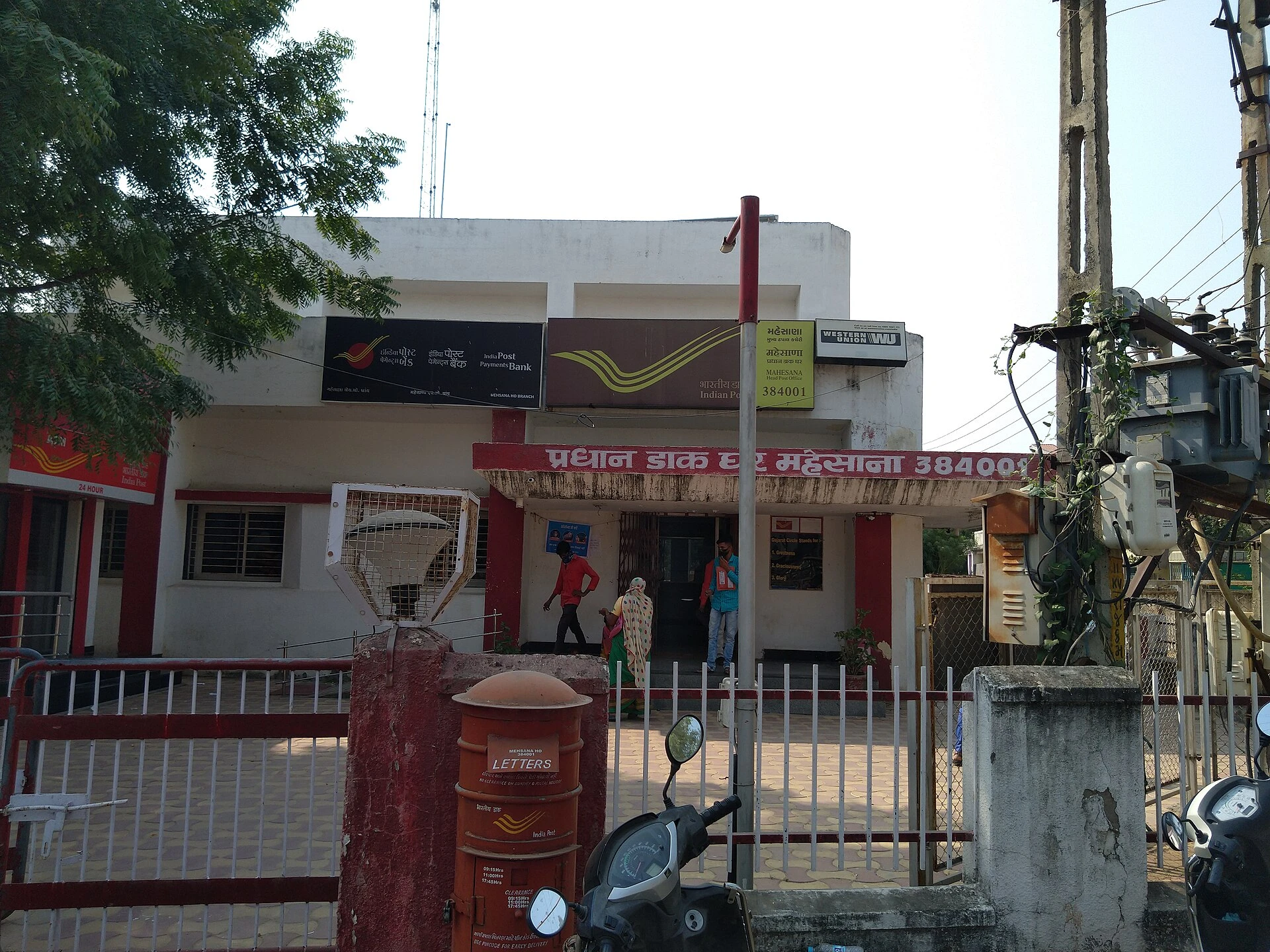
That is where India’s postal network enters the story. India Post says the Department of Posts has been the backbone of the country’s communication for more than 150 years, and the system reaches people through offices that already handle mail, small savings accounts and insurance. In towns like Rangiya, that makes the post office less like a bureaucratic stop and more like a last-mile public-health touchpoint, one that can catch poor vision before it blocks work, school or daily errands.
The need is large enough to test the model at scale. The Hindu reported in 2023 that at least 100 million people in India need spectacles but do not have access to them. India’s National Programme for Control of Blindness and Visual Impairment says it aims to reduce the burden of blindness through prevention and treatment, underscoring why a low-cost community option matters in a country where eye care remains unevenly distributed.
The post-office approach also sits alongside other outreach efforts in India, including community eye screening and vision-centre programs run by NGOs and hospitals. Together, they point to a simple question that will determine whether the post office model matters beyond novelty: whether a quick eye test in a familiar public place can reliably connect people to affordable glasses, and whether that connection is strong enough to help close the education and productivity losses caused by poor vision.
Sources
- [1]npr.org
- [2]who.int
- [3]thehindu.com
- [4]npcbvi.mohfw.gov.in
- [5]indiapost.gov.in