Technology
India’s Startup Scene Diversifies Into AI and Deeptech
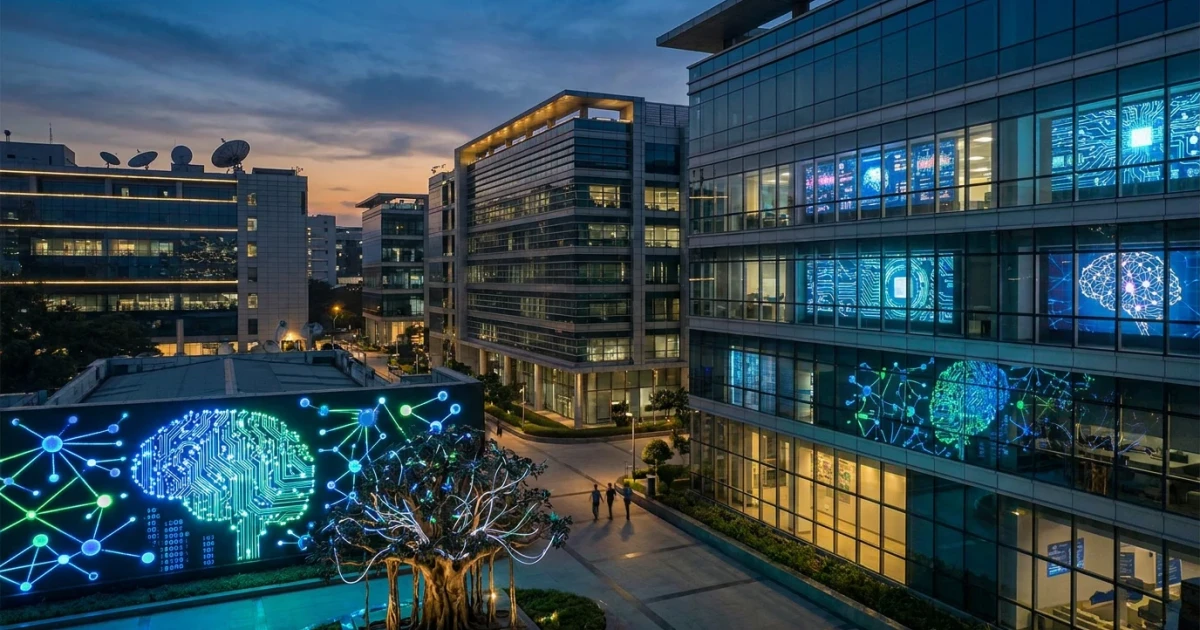
India’s startup ecosystem is undergoing a dramatic transformation, moving well beyond its early focus on ecommerce and consumer technology to embrace sectors such as artificial intelligence (AI), deeptech, and the creator economy. Recent reporting from TICE News highlights how this shift is fueling new waves of innovation, investment, and job creation across the country.
Expanding Beyond Ecommerce
Historically, Indian startups were associated mainly with ecommerce giants and consumer services. The sector’s roots trace to companies like Flipkart and Paytm, whose rapid growth helped put India on the global startup map. However, market data and industry analysis now show that startups are increasingly emerging in advanced fields.
- AI startups are seeing significant growth, with India now hosting hundreds of firms specializing in machine learning, data analytics, and computer vision. For more granular data on the rise of AI startups, readers can explore the Indian AI Startup Landscape 2023 – Inc42 Report.
- Deeptech ventures, which focus on technologies such as robotics, quantum computing, and advanced materials, are attracting both domestic and international investment. The NASSCOM Deeptech Report 2023 provides detailed sectoral breakdowns and case studies.
- The creator economy is also gaining traction, with startups supporting digital content creators, influencers, and new forms of online media monetization. For background on this trend, see Creator Economy in India: The Next Big Opportunity.
Key Drivers of Sector Diversification
Several factors are fueling this diversification:
- Government initiatives have helped create an enabling environment, with policies aimed at promoting innovation in high-tech sectors. Official statistics from the DPIIT Startup Recognition Statistics (2024) show rising numbers of recognized startups in AI and deeptech.
- Increased funding is flowing into non-ecommerce sectors, with venture capitalists, corporates, and government-backed programs supporting early-stage startups. The Startup India Annual Report 2022-23 offers comprehensive funding data and sectoral breakdowns.
- Talent pool expansion driven by graduates from India’s technical institutes, who are founding startups in advanced fields rather than solely consumer tech.
Impact on India’s Economy and Innovation Landscape
The broadening of India’s startup ecosystem is reshaping the country’s economic landscape in several ways:
- Job creation in new sectors, offering opportunities for skilled workers in science, engineering, and design.
- Global competitiveness as startups in AI and deeptech enter international markets and attract overseas investment.
- Innovation acceleration through cross-sector collaboration and the emergence of new business models in the creator economy.
Challenges and Opportunities Ahead
While the expansion is promising, experts caution that challenges remain. Access to specialized funding, regulatory clarity for advanced technologies, and the need for supportive infrastructure are recurring themes in industry analysis. Nonetheless, the trend toward sectoral diversification is expected to continue as India pursues its ambition to become a global innovation hub.
For readers interested in exploring startup sector projects and investment opportunities, the India Investment Grid – Startup Sector Projects provides project-level data and government-supported initiatives.
Conclusion
India’s startup ecosystem is evolving rapidly, with new sectors like AI, deeptech, and the creator economy taking center stage. This diversification is not only expanding the country’s innovation capacity but also positioning India as a major player in the global tech landscape. As policies and investment continue to support these trends, the coming years are likely to see even greater expansion and impact.