US News
Indo-Pacific Nations Strengthen Defense Amid Uncertainty
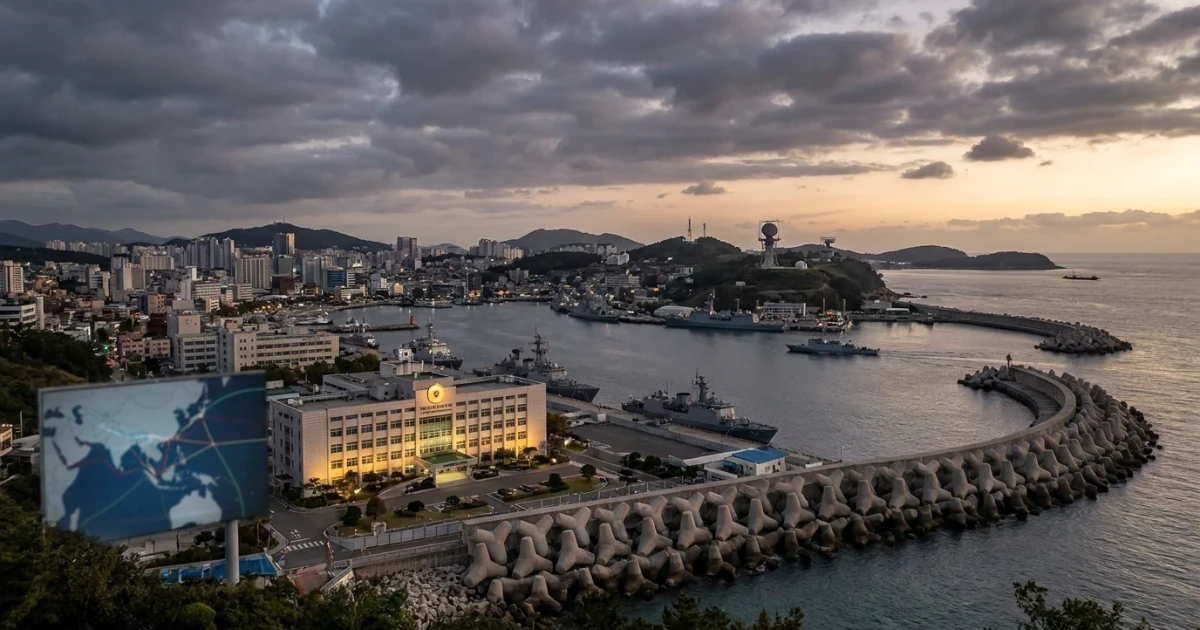
Indo-Pacific nations are intensifying defense partnerships and alliances as the region faces growing uncertainty over U.S. reliability and China’s rising influence. Recent analysis from Asahi Shimbun underscores a trend where governments are pursuing deeper military cooperation, joint exercises, and strategic hedges to safeguard national interests in an increasingly contested environment.
Regional Defense Cooperation Gains Momentum
According to Asahi Shimbun, countries across the Indo-Pacific are responding to shifting power dynamics by expanding bilateral and multilateral defense ties. ASEAN members, Japan, Australia, and India have ramped up joint military exercises and intelligence sharing, seeking to bolster deterrence and resilience. The ASEAN Defence Cooperation program has seen increased activity, including more frequent joint drills and coordination on maritime security.
- Japan and Australia recently signed reciprocal access agreements, facilitating troop movement and operational coordination between their armed forces.
- India has expanded its participation in naval exercises such as Malabar, enhancing interoperability with partners like the U.S. and Australia.
- South Korea and Japan resumed trilateral drills with the U.S., indicating renewed commitment despite past diplomatic tensions.
Hedging Strategies Amid U.S. Uncertainty
Asahi Shimbun highlights that doubts about Washington’s long-term commitment—driven by political polarization and shifting priorities—have prompted regional powers to hedge their bets. While the U.S. remains a key security guarantor, partners are diversifying their alliances and investing in indigenous defense capabilities. The 2023 Indo-Pacific Strategy Report from the U.S. Department of Defense acknowledges the growing need for resilient partnerships and the importance of supporting allies’ self-defense initiatives.
Asahi Shimbun’s analysis suggests that, although U.S. forward deployments and joint exercises continue, many governments are preparing for scenarios where American support may be delayed or less robust. This has led to:
- Greater investment in domestic missile defense and cyber capabilities
- Enhanced coordination among regional forums such as the Quad and ASEAN Defence Ministers’ Meeting (ADMM-Plus)
- Efforts to balance engagement with both the U.S. and China, avoiding excessive dependence on a single power
China’s Ascendancy and Regional Response
The analysis points to China’s rapid military modernization and assertive posture in the South China Sea as key drivers of regional anxiety. Beijing’s growing arms transfers, as documented in the SIPRI Arms Transfers Database, have raised concerns about shifting military balances. Countries are responding by tightening security cooperation and seeking new technology partnerships, particularly in maritime surveillance and anti-submarine warfare.
Asahi Shimbun notes that the hedging approach is not uniform—some states, like Vietnam and Indonesia, pursue pragmatic engagement with both major powers, while others, such as Japan and Australia, align more closely with Western allies. The region’s diversity means that defense strategies vary based on geography, threat perception, and economic ties.
Public Opinion and Future Outlook
Recent surveys, including the 2023 Indo-Pacific Public Opinion Survey, indicate widespread public concern about security challenges and skepticism toward both U.S. and Chinese intentions. Asahi Shimbun’s analysis suggests that governments will continue to deepen defense partnerships, invest in self-reliance, and navigate a complex strategic landscape.
While the U.S. remains central to Indo-Pacific security, the region’s nations are preparing for greater autonomy and flexibility. This hedging strategy is likely to shape defense cooperation, alliance structures, and military investments for years to come.
Key Takeaways
- Indo-Pacific countries are expanding defense alliances to hedge against great power uncertainty.
- China’s military rise is driving regional anxiety and prompting new collaborations.
- U.S. reliability is being questioned, leading to greater emphasis on indigenous and multilateral capabilities.
- Public opinion reflects complex attitudes toward both superpowers, reinforcing the need for balanced strategies.
As the Indo-Pacific continues to evolve, deeper defense ties and flexible hedging strategies will be essential in maintaining stability and safeguarding national interests amid geopolitical uncertainty.