World
Indonesia convicts 19 in baby trafficking case tied to Singapore adoptions
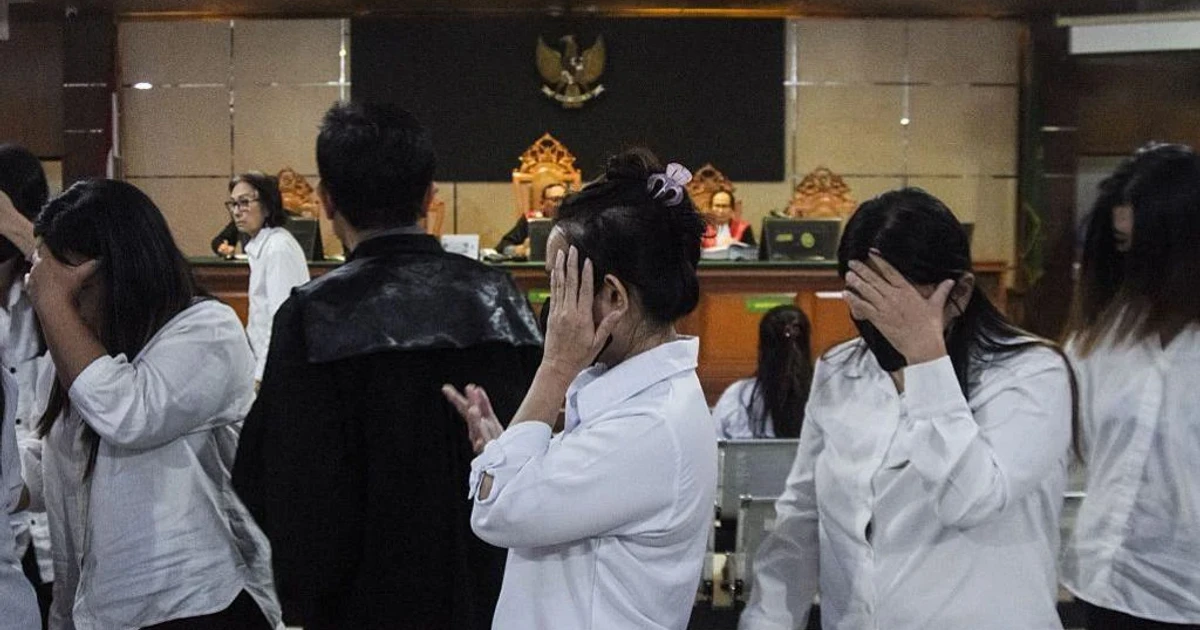
A Bandung court convicted 19 people of trafficking 34 babies, but the most painful issue was left hanging: who will protect the children now, and where do they belong. The case ties illegal baby purchases in West Java to adoptions in Singapore, raising custody, identity and long-term care questions that a criminal verdict could not answer.
The ringleader, a 70-year-old woman, received the harshest sentence of seven years in prison. Other defendants were sentenced to between three and six years, while Indonesian prosecutors had sought jail terms of up to 10 years. The court found that the trafficking ring operated between 2023 and 2025 and that babies were bought in West Java before being moved through a network that crossed into Singapore.
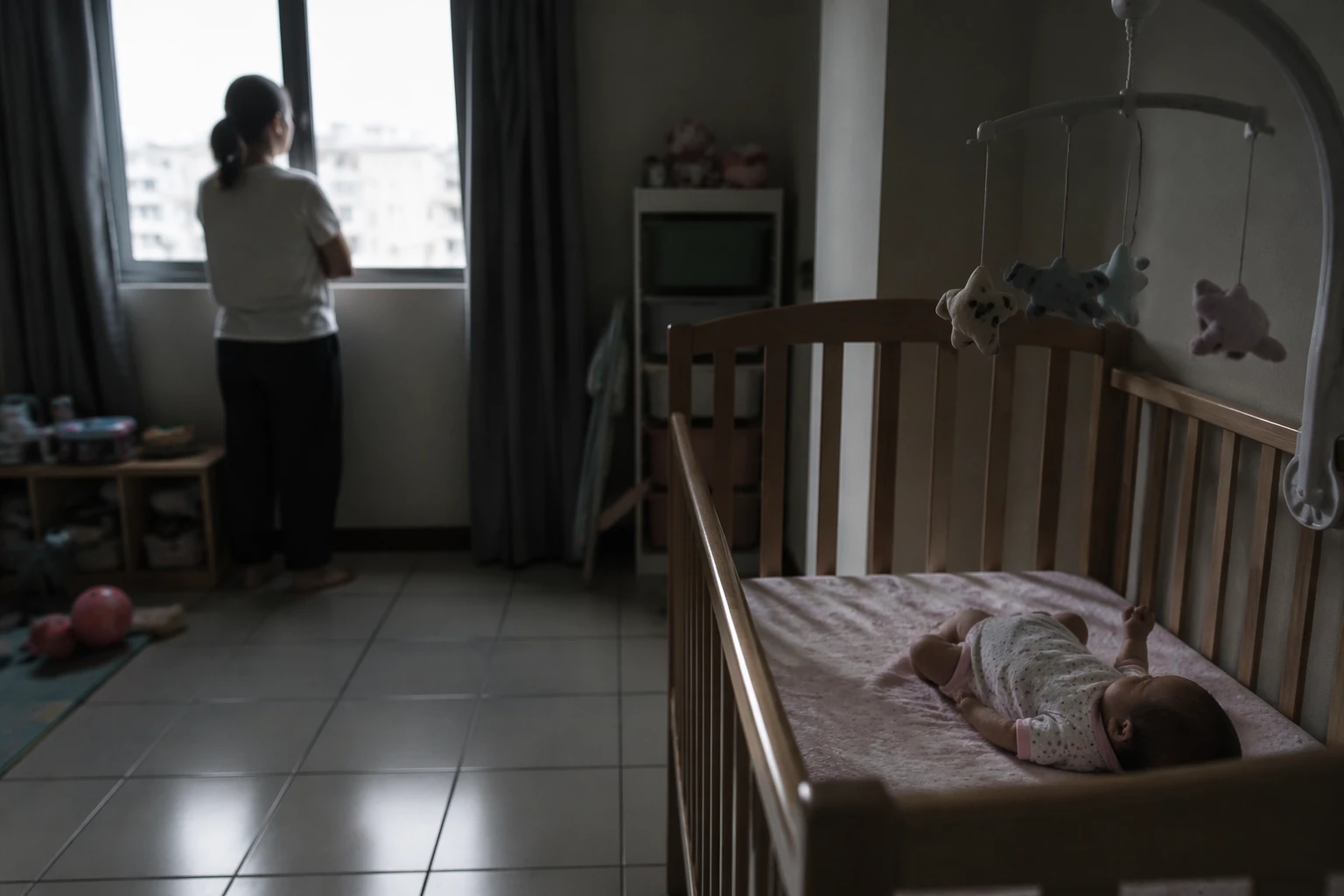
Indonesian police first uncovered the syndicate when about a dozen suspects were detained in West Java in July 2025. The wider investigation has since pointed to illegal adoptions and false paperwork, with the babies reportedly sold for profit rather than placed through lawful child-welfare channels. The case has exposed how easily newborns can disappear into systems that rely on documents, signatures and intermediaries, even when the children begin life in hospitals, homes or villages in Indonesia.

The Singapore connection has turned the case into a crisis for adoptive families as well as for investigators. In January, Indonesian and Singaporean authorities said they were working together to review the allegations, and Singapore authorities contacted affected adoptive parents. For some families, a child they believed had been lawfully adopted may now be linked to trafficking, leaving them to face the possibility of losing the babies they have raised.

That is the central question now: whether Indonesia’s child-protection system and cross-border trafficking response can account for every baby in the network, reunite children with biological families when possible, prevent re-trafficking, and decide when state protection is safer than another transfer. The verdict in Bandung closed one criminal chapter, but it did not settle the fate of the children at the center of it.
Sources
- [1]bbc.co.uk
- [2]straitstimes.com
- [3]asianews.network
- [4]bbc.com