World
Indonesia jails Gojek founder Nadiem Makarim for corruption
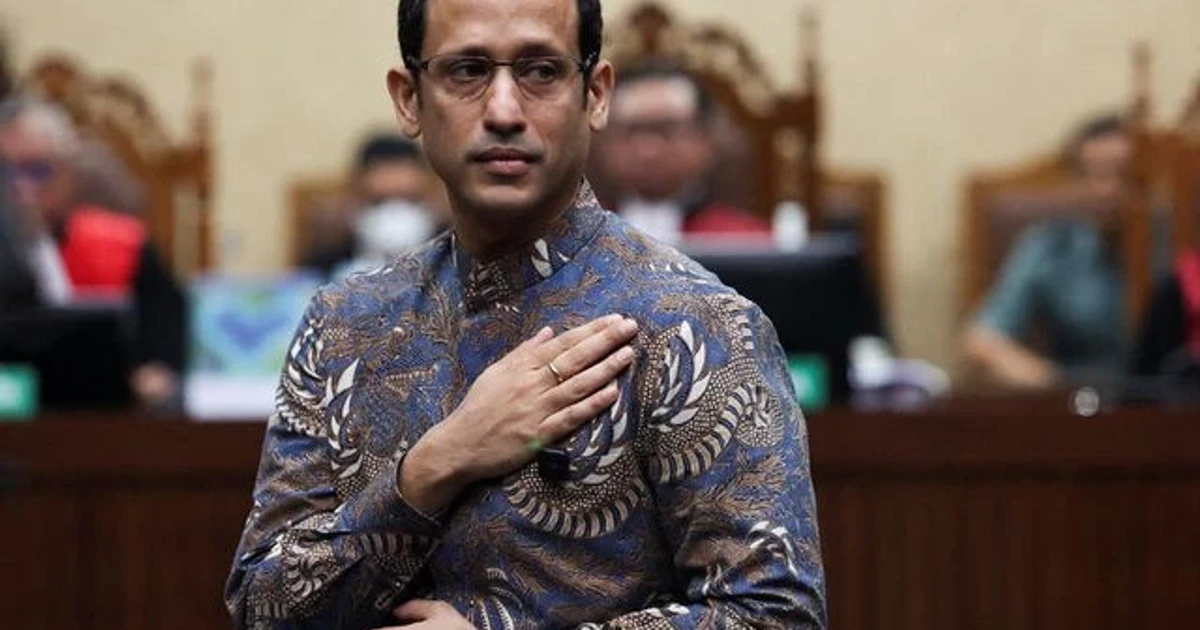
An Indonesian court convicted Nadiem Makarim, the co-founder of Gojek and a former education minister, of corruption and sentenced him to 10 years in prison for his role in the procurement of Google Chromebook laptops for schools during the COVID-19 pandemic. Prosecutors said he used his executive authority to enrich himself, turning a technology tender into a major graft case.
Makarim, 41, denied the charge and said the case against him was politically motivated. Academics and rights activists backed that claim, making the trial a test of more than one procurement program and putting scrutiny on how Indonesia pursues corruption cases involving powerful figures with ties to both business and government.

The conviction carried particular weight because Makarim was one of Indonesia’s most prominent technology entrepreneurs before entering public office. He helped build Gojek into a regional platform spanning ride-hailing and payments, and he became a symbol of the country’s startup ambitions as Indonesia tried to brand itself as a home for modern, innovation-led growth. His fall from that role to a prison sentence underscored how quickly a celebrated technocrat can become the face of a corruption probe.
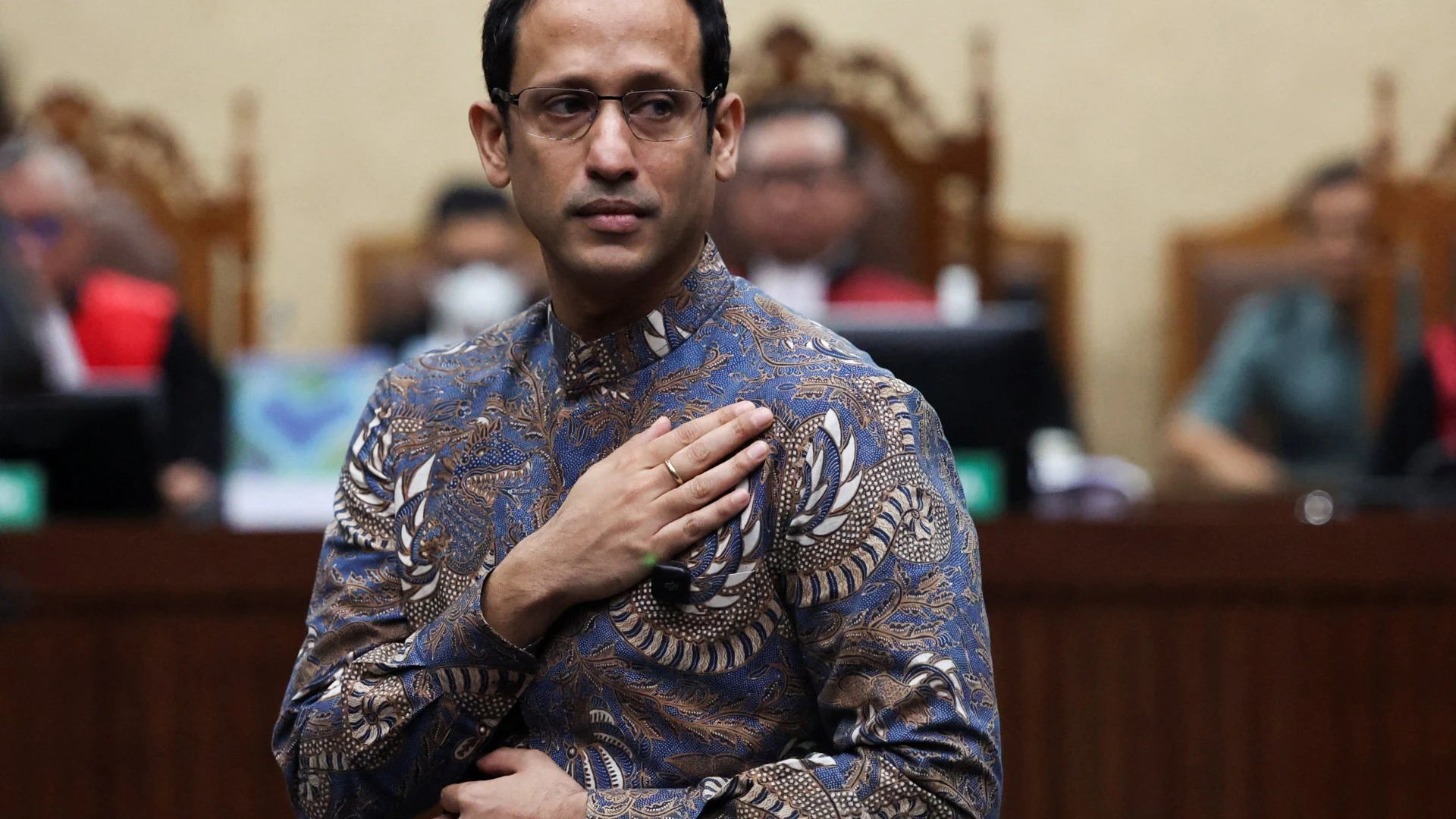
The case also reached beyond one man’s career. The Chromebook procurement touched a politically sensitive issue, digital access for schools during the pandemic, when governments around the world rushed to buy devices and remote-learning tools. In Indonesia, the verdict fed wider questions about how contracts are awarded, how closely business and politics intersect, and whether the state is willing to police corruption among the modern elite as aggressively as it has pursued old-guard political figures.

The ruling landed at a delicate moment for Southeast Asia’s largest economy. Indonesia has been trying to attract investment and present itself as a reliable destination for capital, but the conviction reinforced worries about opaque policymaking and governance risks. The rupiah and the stock market had already slumped this year after rating agencies cut outlooks, and MSCI was weighing whether to downgrade the country over market transparency concerns. For investors and reformers alike, Makarim’s sentence became a sharp measure of how Indonesia balances accountability with the business confidence it needs to protect.
Sources
- [1]usnews.com