World
Indonesia military intelligence officers jailed for acid attack on activist
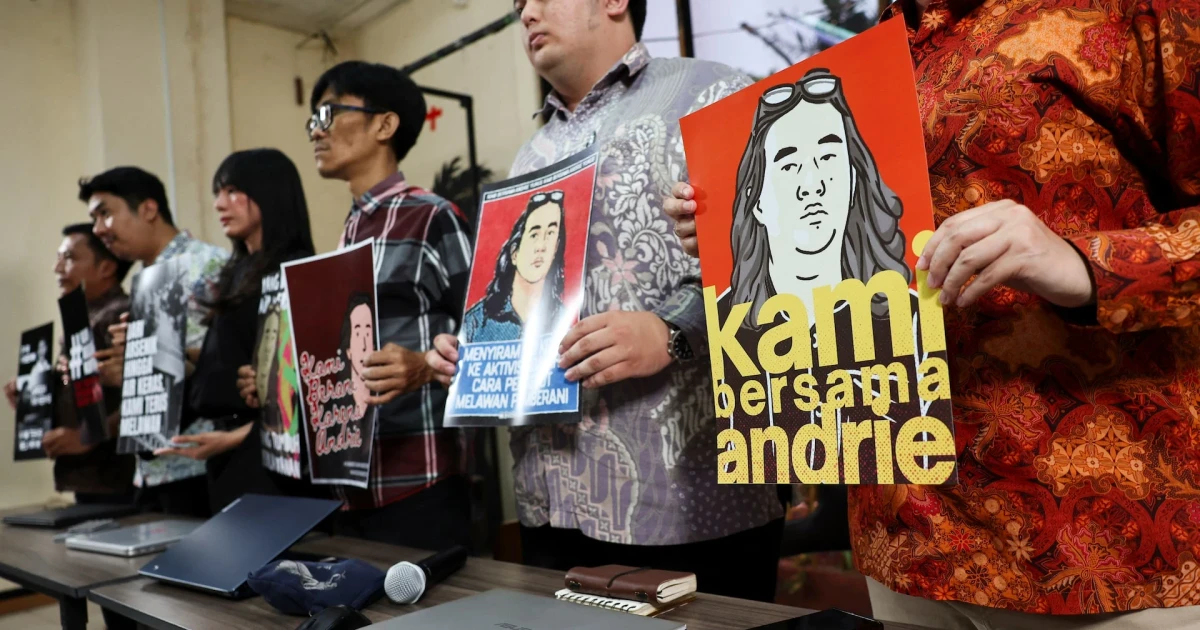
A military court in Jakarta has jailed four members of Indonesia’s military intelligence unit for the sulfuric acid attack that left activist Andrie Yunus with severe burns, sharpening fears that the armed forces are still being asked to judge one of their own. The ruling landed on a case that has become a broader test of impunity, because the victim is a civilian rights defender who had publicly criticized the military’s growing reach into politics.
Andrie Yunus, 27, a deputy coordinator at KontraS, was attacked in Central Jakarta on 12 March 2026 shortly after recording a podcast about the militarisation of civil and political affairs in Indonesia. CCTV captured the assault as Yunus rode his motorcycle home. He suffered second- and third-degree burns across about a quarter of his body and remains under long-term medical treatment.
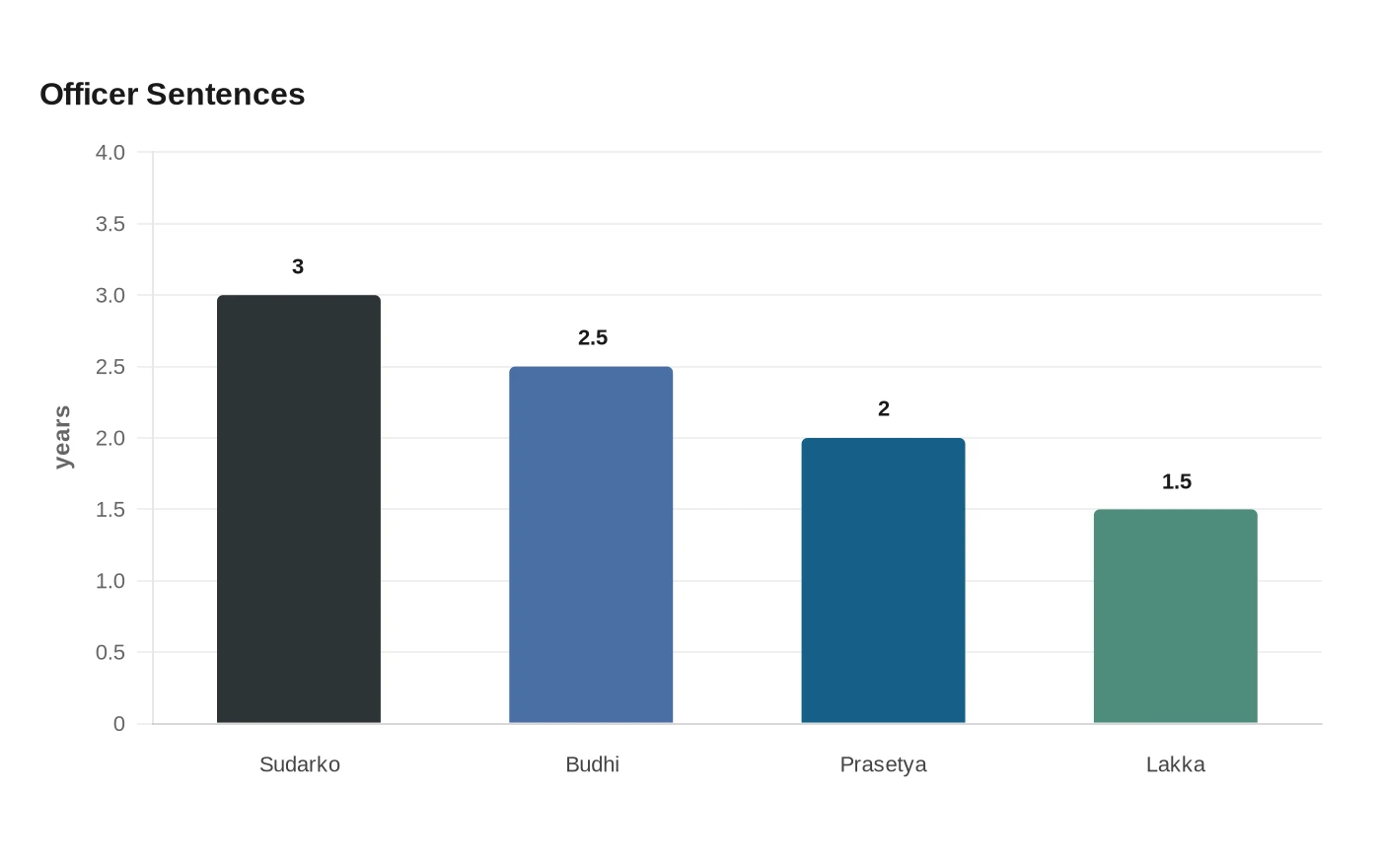
On 10 June, the Jakarta Military Court convicted Second Sgt. Edi Sudarko, First Lt. Budhi Hariyanto Widhi Cahyono, Capt. Nandala Dwi Prasetya and First Lt. Sami Lakka. The court handed down sentences of 3 years, 2.5 years, 2 years and 1.5 years, while the two officers who threw the acid were also dishonorably discharged. Prosecutors had sought 2.5 years each, but the court said the attack was not influenced by any chain of command.
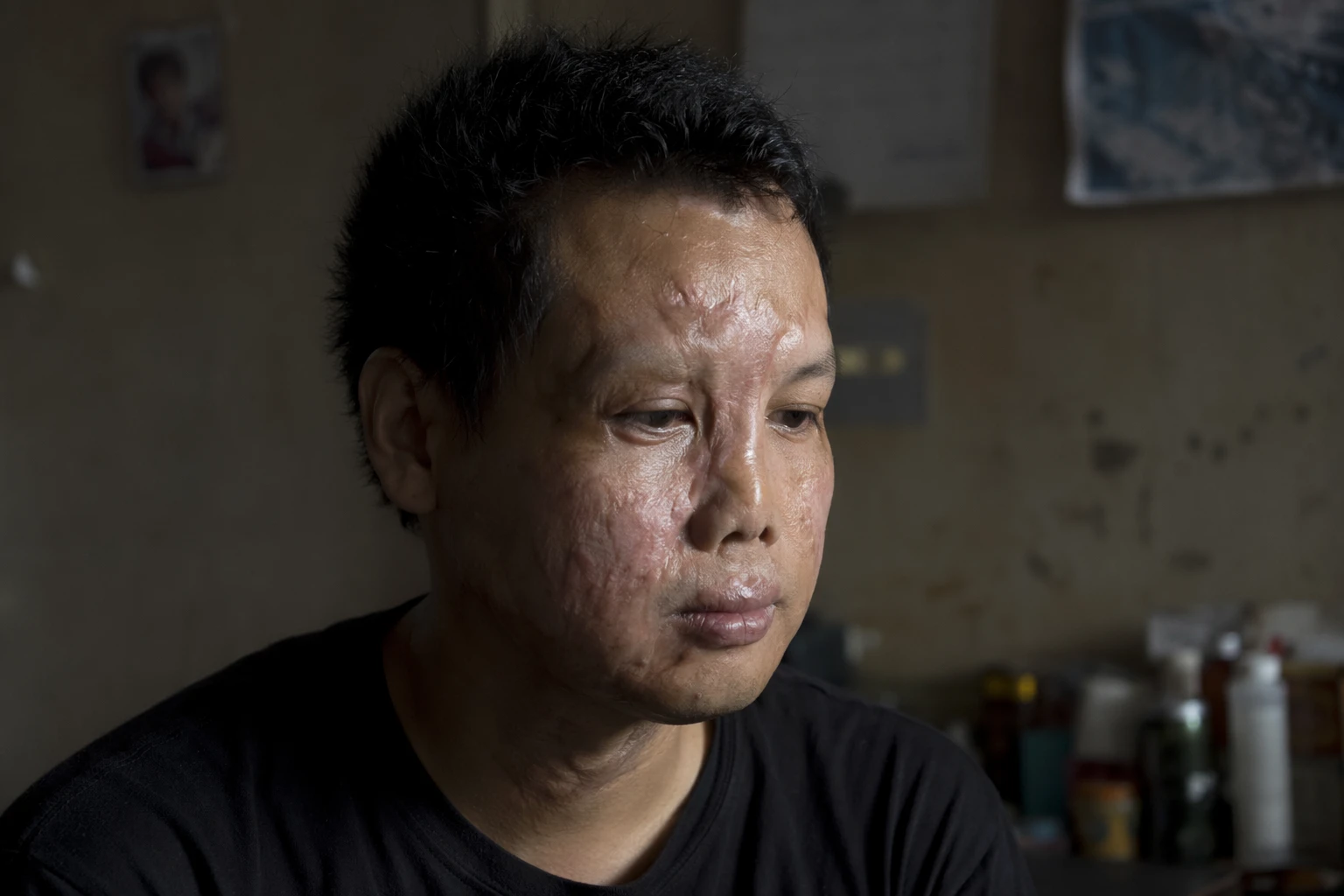
That finding has done little to calm criticism from rights groups and United Nations experts, who say the military justice system is ill-suited to a case involving a civilian victim and allegations that reach beyond the immediate perpetrators. Amnesty International Indonesia said the verdict downplayed the severity and impact of the attack, ignored the possibility of other actors and amounted to a “blatant whitewash.” The group said separate investigations by Komnas HAM and the TAUD civil society coalition had alleged at least 14 people were involved.
UN experts called for the case to be tried in the civilian justice system, warning that a military trial for an attack on a civilian raises serious concerns about accountability, independence and transparency. Their criticism was reinforced by a 2 June pretrial ruling from the South Jakarta District Court ordering police to continue the investigation.
The court also ordered key evidence destroyed, including a bottle of rust remover, a tumbler used to carry the acid, a USB drive containing crime-scene video and a used car battery. The case has now turned into a wider measure of trust in Indonesia’s military institutions, especially after the chief of the military intelligence unit resigned in March as the armed forces described the move as an act of responsibility.
Sources
- [1]nytimes.com
- [2]amnesty.id
- [3]ohchr.org
- [4]thejakartapost.com
- [5]abc.net.au