World
Indonesia plans AI push for Prabowo's free-meals program
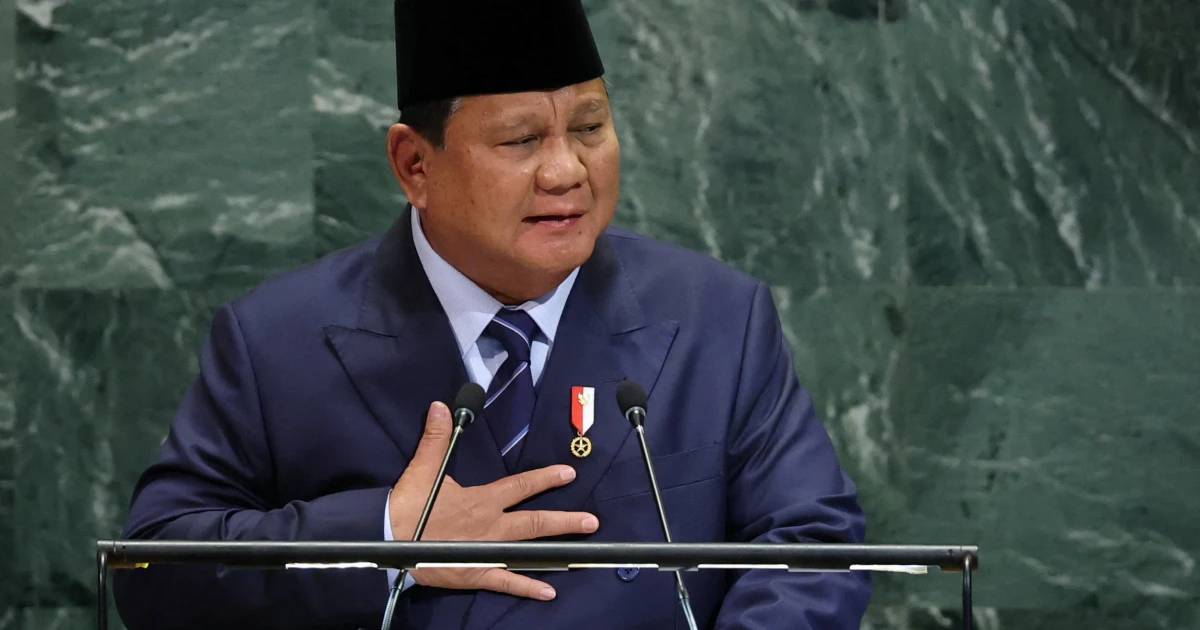
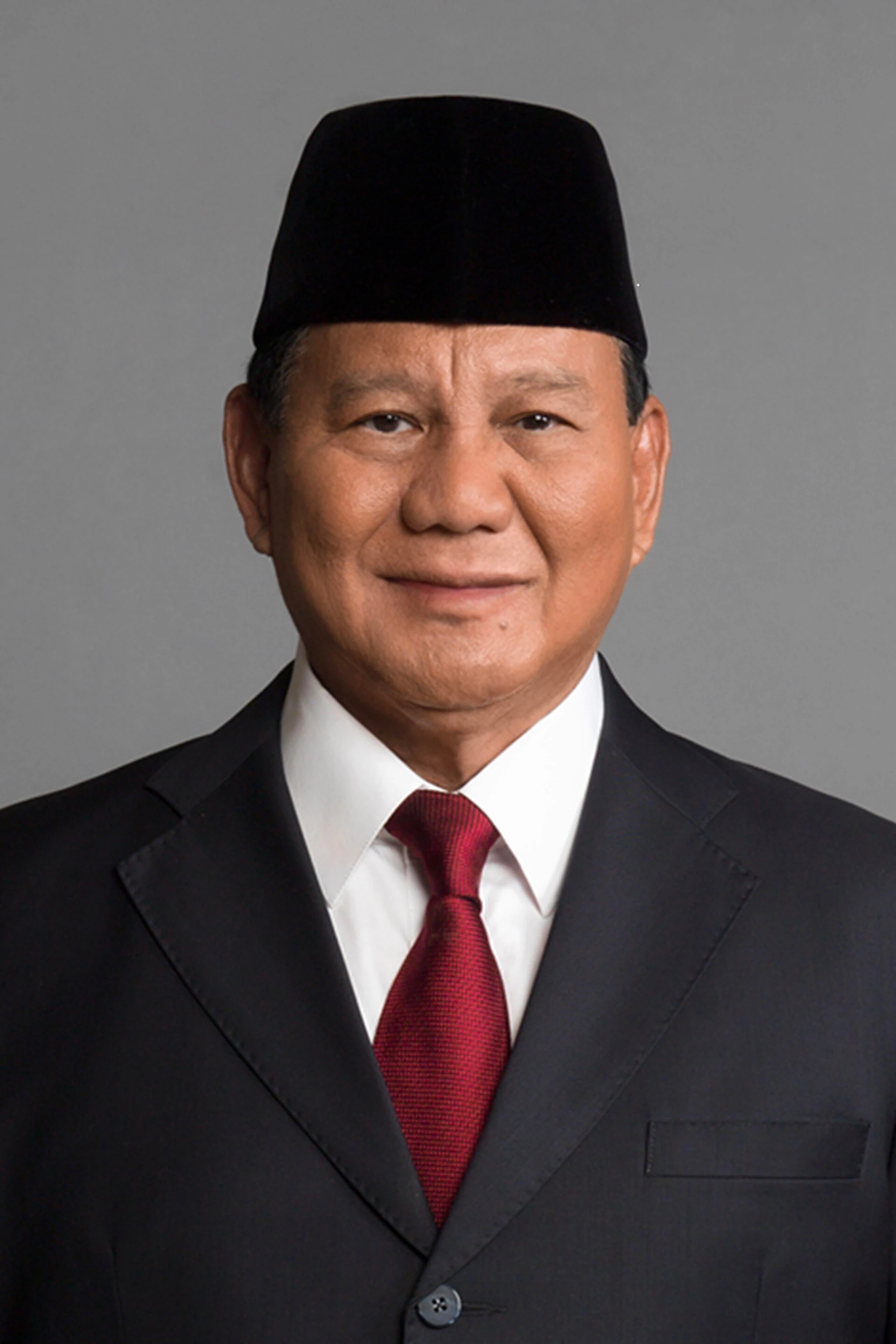
Indonesia is preparing to push artificial intelligence into the center of President Prabowo Subianto’s domestic agenda, including the $15 billion free-meals program that has become a signature promise of his administration. The plan, laid out in a draft presidential regulation, would direct ministries and regional governments to adopt AI from 2026 through 2029, linking the technology not just to growth goals but to the day-to-day mechanics of public service delivery.
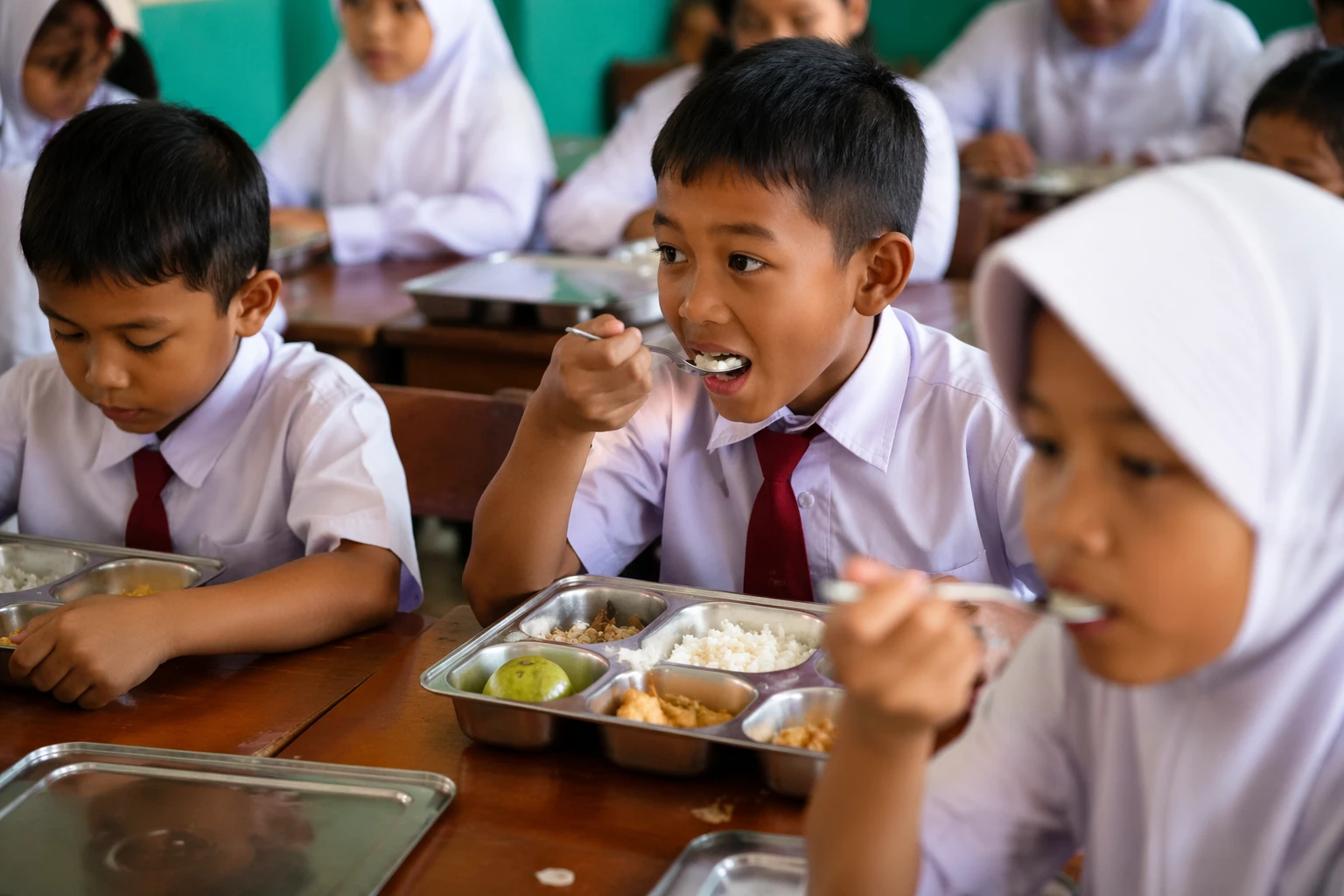
That makes the free-meals program the clearest test of whether Indonesia can move from AI rhetoric to responsible governance. Under the draft, AI would be used to design region-specific menus, monitor kitchen hygiene, predict food demand, detect irregularities and integrate health data for early warnings of emergencies. The promise is ambitious: a state tool meant to improve nutrition delivery, public health oversight and administrative efficiency at national scale. The risk is equally plain. Such a system would depend on clean data, reliable reporting, disciplined procurement and oversight strong enough to catch errors before they ripple through schools, kitchens and local offices.
The strategy is still awaiting Prabowo’s signature, so it remains a formative proposal rather than an enacted policy. Even so, officials believe the move could help lift Indonesia’s gross domestic product by 12% by 2030. That economic ambition sits beside a harder truth: Indonesia remains behind Singapore and Malaysia in the regional AI race, suggesting the country is trying to use policy to close a gap that technology alone will not fix.
A professor quoted in the reporting warned that Indonesia is not yet competitive in AI and may end up mostly consuming products built by foreign companies, with the government’s rhetoric running ahead of delivery. That critique cuts to the institutional question at the heart of the plan. If ministries and local governments cannot standardize data, verify vendors and protect public money, AI could become another expensive layer on top of weak administration rather than a remedy for it.
The push also reflects a wider contest across Southeast Asia, where governments are trying to position themselves as development hubs and attract billions of dollars from global tech firms building cloud and AI infrastructure. In Indonesia, that competition has become a test of state capacity as much as innovation. The free-meals program may be the most visible place to see whether AI can help modernize government, or whether it simply exposes how fragile the machinery of public delivery still is.
Sources
- [1]yahoo.com