Business
Inflation and retail sales data loom over Wall Street's next move
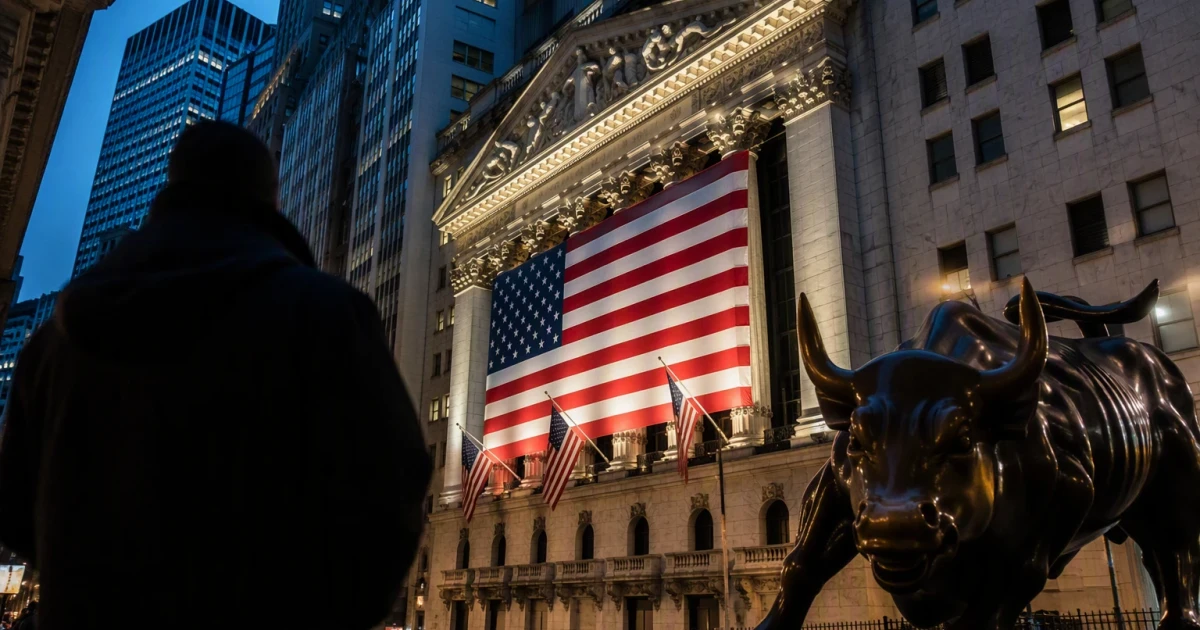
Inflation and retail sales are set to steer the next move in U.S. markets, with June already showing a 0.4% month-over-month drop in consumer prices, the biggest one-month decline since April 2020, and retail sales up 0.2% in the same month. For households, those numbers matter as much as they do for Wall Street: cooler inflation can ease pressure on the Federal Reserve, while stronger spending can signal that consumers are still carrying the economy despite higher borrowing costs.
Reuters said inflation data would test record-setting U.S. stocks and Federal Reserve rate views, and CNBC said the stakes for the next inflation release had gotten higher. That backdrop followed a run in equities, including a record for the S&P 500 on Aug. 5, and it helps explain why traders are watching each new price report for signs that the Fed can move toward lower rates without risking a fresh inflation flare-up.
The June Consumer Price Index data showed annual inflation at 3.5%, down from 4.2% in May, according to Trading Economics’ summary of the release. Retail sales excluding gasoline rose 0.7% in June, even as lower fuel prices trimmed receipts at gas stations. That split matters for family budgets: cheaper gasoline can free up cash, but it also masks whether households are spending more because they feel secure, or simply shifting purchases away from essentials and into a few categories that still have room to grow.
Investors will look past the headline figures and into the details, including groceries, apparel, electronics and discretionary spending, for evidence that consumers are finally weakening. A softer report would suggest families are becoming more cautious about travel, dining out and big-ticket purchases, which would feed into slower growth expectations and eventually a more cautious labor market outlook. A firmer report would tell the Federal Reserve that demand is still strong enough to keep inflation sticky, which would keep pressure on rates and mortgage, credit-card and auto-loan costs.
That tension between Wall Street’s appetite for easing and Main Street’s resilience is the core of the week ahead. The Associated Press framed inflation readings and retail sales as the two indicators most likely to shape the outlook for interest rates, consumer demand and stock prices, and the next set of numbers will show whether the economy is cooling toward normal or merely pausing after a strong stretch.
Sources
- [1]apnews.com
- [2]reuters.com
- [3]cnbc.com
- [4]bls.gov
- [5]tradingeconomics.com